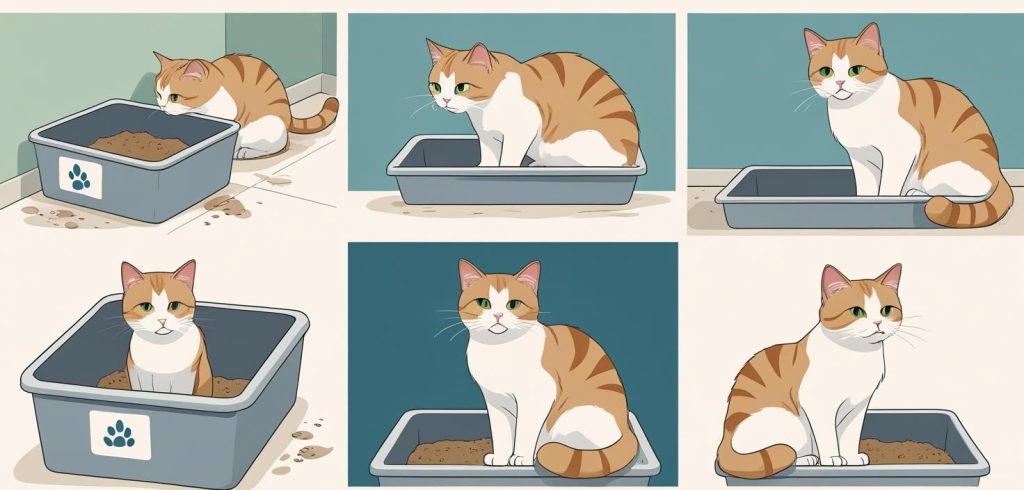
Is your cat peeing outside the litter box? It’s frustrating, messy, and can feel overwhelming.
But don’t worry—you’re not alone, and there are simple steps you can take to fix this behavior. Understanding why your cat is acting this way is the key to solving the problem for good. You’ll discover easy, effective ways to stop unwanted peeing and bring peace back to your home.
Keep reading to learn how you can help your cat feel comfortable and happy again.
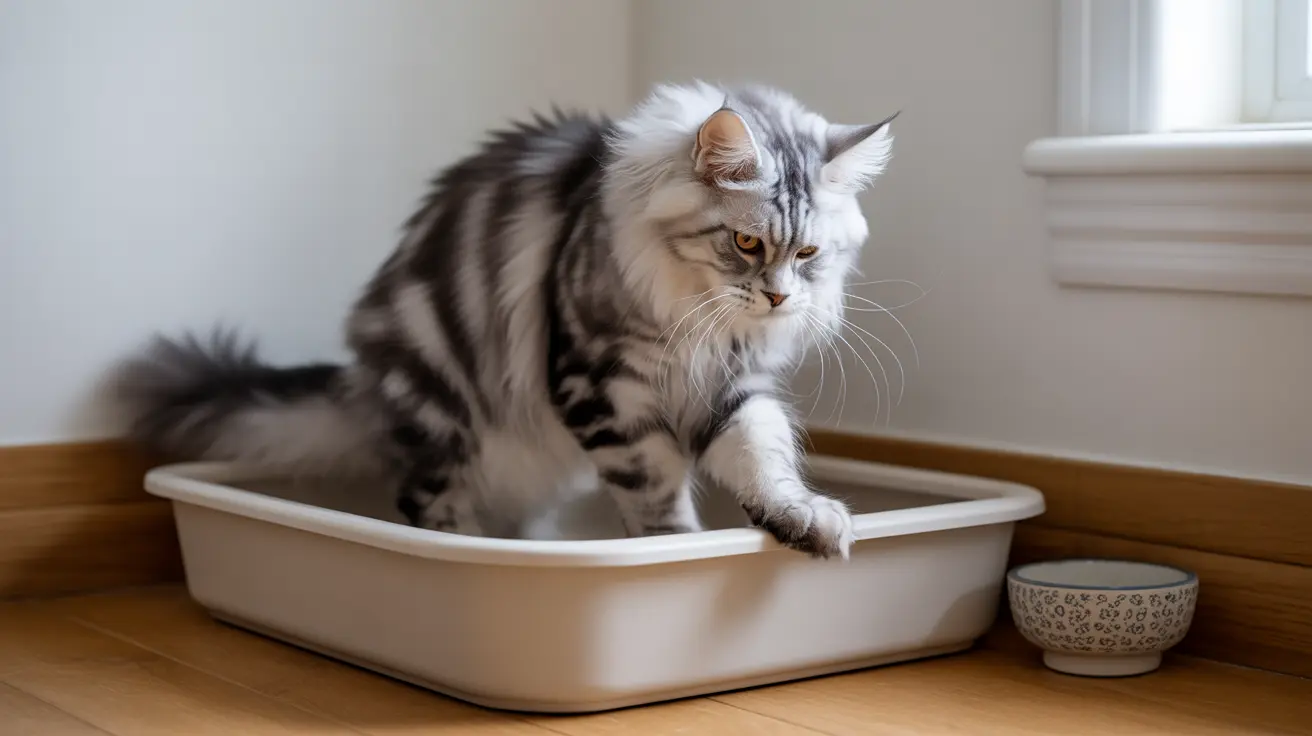
Credit: www.petscare.com
Common Causes Of Peeing Issues
Cats may pee outside their litter box for many reasons. Understanding these causes helps fix the problem.
Some causes are related to health, environment, or behavior. Knowing these will guide you to the right solution.
Medical Problems
Illness can cause cats to urinate in wrong places. Pain or discomfort makes them avoid the litter box.
Common medical issues include urinary tract infections, bladder stones, and kidney problems. These need vet care.
Litter Box Preferences
Cats can be picky about their litter box. They may dislike the box’s size, type, or cleanliness.
Some cats prefer covered boxes, while others want open ones. They also need clean, fresh litter every day.
- Box size should fit the cat comfortably
- Use litter type the cat likes
- Clean the box daily
- Place box in quiet, private area
Stress And Anxiety
Stress can make cats pee outside the litter box. Changes at home or loud noises may scare them.
New pets, visitors, or moving can cause anxiety. Cats need a calm and safe space to feel secure.
Territorial Marking
Cats sometimes pee to mark their territory. This happens more with unneutered males but also others.
Marking shows other cats where they live. It can happen if a new cat appears nearby or if they feel threatened.
- Neuter or spay your cat
- Keep your cat indoors
- Use pheromone sprays to calm cats
- Remove scents from marked areas
Diagnosing The Problem
When a cat pees outside the litter box, it signals a problem. Finding the cause helps fix the behavior.
This guide shows how to diagnose why your cat pees in wrong places. Careful steps make the process easier.
Observing Your Cat’s Behavior
Watch your cat’s daily actions. Look for signs that show stress or health issues.
- Notice if your cat scratches or sniffs the litter box often.
- Check for changes in eating or drinking habits.
- Look for signs of hiding or aggression.
- See if your cat urinates in unusual spots.
Consulting A Veterinarian
A vet can find medical problems causing peeing outside the box. Early checkups stop bigger issues.
| Reason for Visit | What the Vet Checks |
| Frequent urination | Urinary tract infection |
| Painful urination | Bladder stones or inflammation |
| Change in litter box habits | Kidney disease or diabetes |
| Behavior changes | Stress or anxiety disorders |
Tracking Peeing Patterns
Keep a log of when and where your cat pees. This helps find triggers and patterns.
- Write the date and time of each accident.
- Note the location where peeing happened.
- Record any changes in the home or litter box.
- Observe if other pets or noises upset your cat.
Improving Litter Box Setup
Fixing cat peeing problems often starts with the litter box. A good setup helps your cat feel safe and clean. This guide covers key ways to improve your cat’s litter box.
We will look at how to choose the right litter, where to place the box, and how to keep it clean. These steps can reduce accidents and keep your cat happy.
Choosing The Right Litter
Pick litter that your cat likes. Many cats prefer fine-grained, unscented litter. Some litters control odor better than others. Avoid strong smells that might scare your cat.
- Use unscented clumping litter for easy cleaning
- Choose a texture similar to soil or sand
- Try different litters if your cat refuses to use the box
- Consider dust-free litter to reduce mess
Optimal Litter Box Placement
Place the litter box in a quiet and private spot. Cats avoid noisy or busy areas. Keep the box away from food and water bowls. Good placement helps your cat feel safe.
| Placement Tip | Reason |
| Quiet corner | Reduces stress and distractions |
| Easy access | Prevents accidents due to blocked paths |
| Away from loud appliances | Keeps cat calm during use |
| Separate from feeding area | Avoids mixing scents that confuse cats |
Cleaning And Maintenance Tips
Keep the litter box clean to encourage use. Scoop waste daily and change litter often. Wash the box with mild soap and water once a week. Avoid strong cleaners that leave scents.
- Scoop clumps and waste every day
- Replace all litter weekly or as needed
- Wash the box with mild soap weekly
- Dry the box completely before adding new litter
- Use multiple boxes for multiple cats
Reducing Stress For Your Cat
Stress can cause cats to pee outside their litter box. Reducing stress helps stop this behavior. A calm cat feels safe and relaxed.
There are simple ways to lower your cat’s stress. These include creating a calm space, using special products, and keeping your cat busy with play.
Creating A Calm Environment
Your cat needs a quiet, safe place to relax. Loud noises and sudden changes can make cats nervous. Try to keep their space peaceful.
- Place the litter box in a quiet spot
- Keep feeding and resting areas away from busy rooms
- Use soft lighting instead of bright lights
- Limit loud sounds like vacuum cleaners near your cat
- Keep a regular daily routine for feeding and play
Using Pheromone Products
Pheromone products help cats feel calm. They mimic natural scents that cats use to mark safe areas. These products come in sprays, diffusers, or collars.
| Product Type | How It Works | Use |
| Diffuser | Releases calming scent in room | Plug into power outlet near cat’s area |
| Spray | Apply to bedding or furniture | Spray surfaces cat uses often |
| Collar | Worn by cat for constant scent | Put collar on cat for all-day effect |
Providing Enrichment And Play
Play helps your cat stay active and happy. It reduces boredom and stress. Provide toys and activities that your cat enjoys.
Try these ideas to keep your cat busy:
- Use feather wands or laser pointers for chasing games
- Rotate toys to keep interest high
- Give puzzle feeders to challenge your cat’s mind
- Create climbing spaces with cat trees or shelves
- Spend time petting and talking gently to your cat
Behavioral Training Techniques
Cat peeing outside the litter box can be frustrating. Training helps change this behavior.
Using the right techniques can encourage good habits and stop bad ones.
Positive Reinforcement
Positive reinforcement means rewarding your cat for good behavior. It helps them learn faster.
Give treats, petting, or praise when your cat uses the litter box properly.
- Offer a small treat after each successful litter box use
- Use gentle petting or soft words to show approval
- Avoid punishment to keep trust strong
Redirecting Unwanted Behavior
Redirecting means guiding your cat away from peeing in wrong places. Show them the litter box instead.
Clean soiled areas well and block access to those spots to prevent repeats.
- Move your cat gently to the litter box after accidents
- Use toys to distract your cat from bad spots
- Keep the litter box clean and easy to find
Consistency And Patience
Training takes time and steady effort. Be patient and keep a routine.
Use the same commands and rewards. Avoid confusing your cat with mixed signals.
- Clean the litter box daily
- Reward good behavior every time
- Stay calm during accidents
- Keep training sessions short and regular
Credit: www.petscare.com
When To Seek Professional Help
Cat peeing outside the litter box can be a sign of many problems. Sometimes, it shows health issues or stress. If home fixes do not work, it is time to ask experts for help.
Knowing when to get professional help can save your cat’s health and your home from damage. Experts can find the real cause and suggest the best solutions.
Veterinary Behaviorists
Veterinary behaviorists are vets who know about animal behavior and health. They can check if your cat has medical problems causing peeing issues.
They use tests and exams to find pain, infections, or diseases. They also help with behavior problems linked to illness or stress.
Cat Behaviorists
Cat behaviorists focus on why cats act the way they do. They study your cat’s habits and environment to find causes of peeing outside the box.
These experts create plans to change your cat’s behavior. They teach you how to reduce stress and encourage good litter box use.
Support Groups And Resources
Support groups help cat owners share experiences and tips. They provide advice from people with similar problems and can guide you to experts.
Books, websites, and forums offer useful information on cat behavior. Using these resources can help you manage problems before they get worse.
- Learn from others with the same issues
- Find tips to improve litter box habits
- Discover local professionals and clinics
Credit: justcatsclinic.com
Frequently Asked Questions
Why Is My Cat Peeing Outside The Litter Box?
Cats may pee outside the box due to stress, illness, or dirty litter. Rule out medical issues first. Keep the litter box clean and accessible to encourage proper use.
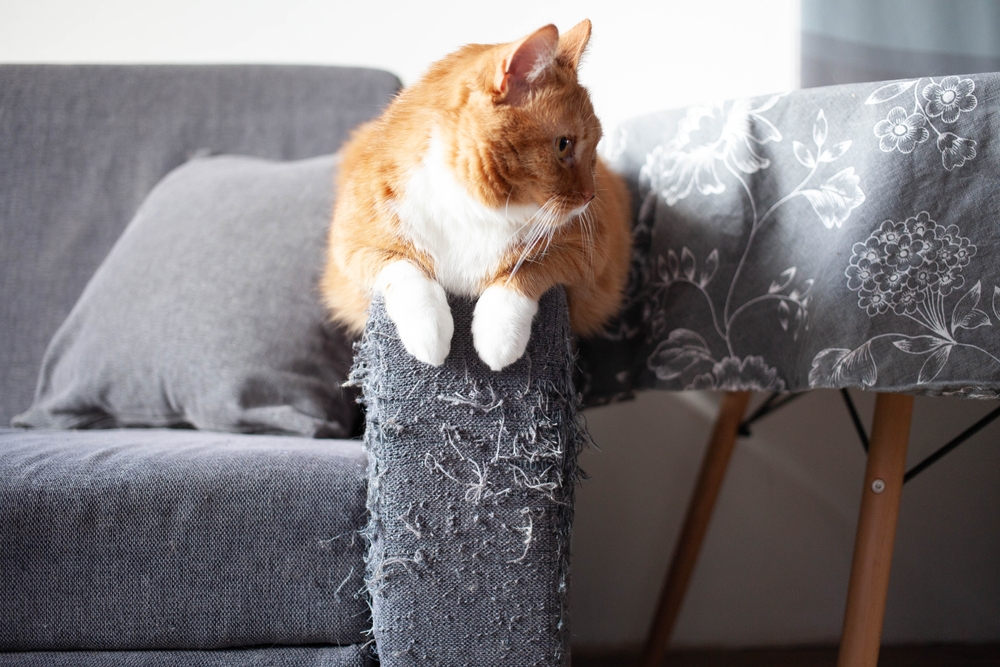
How Can I Stop My Cat From Peeing On Furniture?
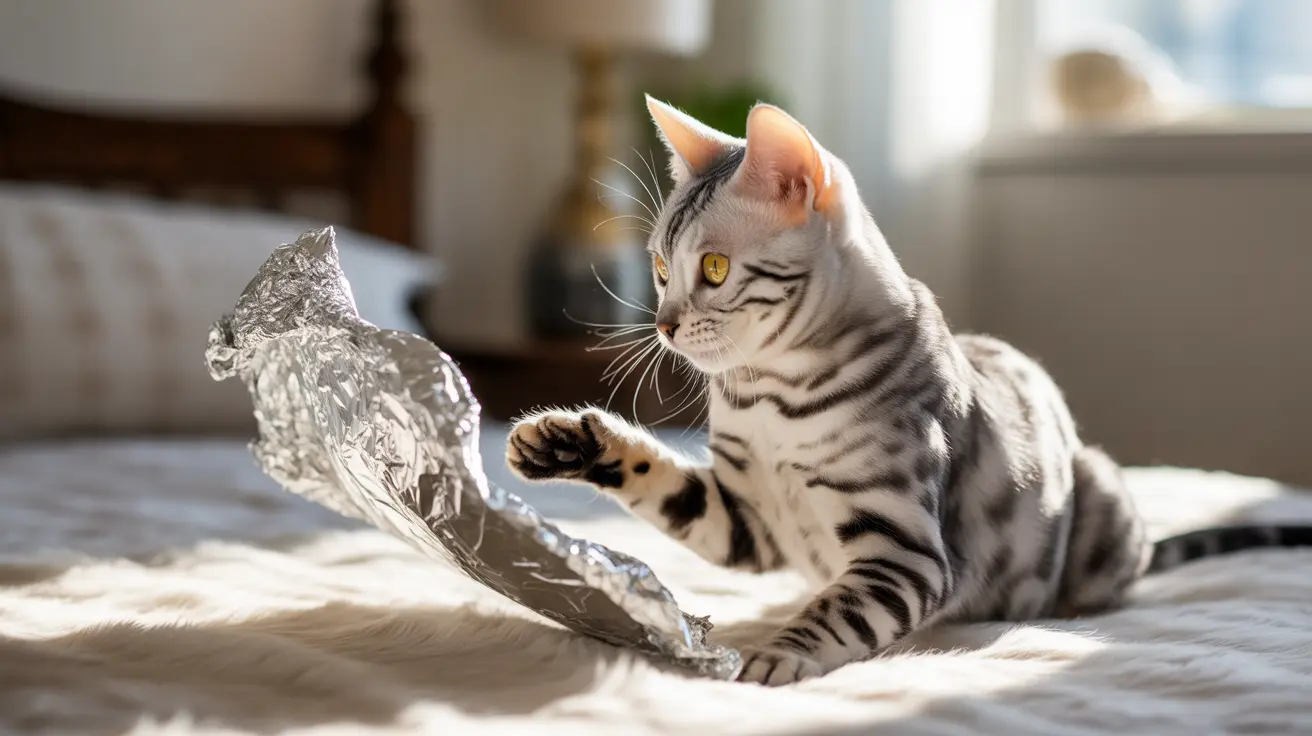
Clean furniture with enzymatic cleaners to remove odors. Provide multiple clean litter boxes and reduce stressors. Use deterrents like aluminum foil or double-sided tape on furniture.
What Medical Issues Cause Inappropriate Peeing In Cats?
Urinary tract infections, bladder stones, and kidney problems often cause cats to pee inappropriately. A vet visit is essential for accurate diagnosis and treatment.
How Many Litter Boxes Should I Have For My Cat?
The rule is one litter box per cat plus one extra. This reduces territorial disputes and encourages proper bathroom habits.
Conclusion
Solving cat peeing problems takes patience and understanding. Pay attention to your cat’s needs. Provide a clean litter box. Ensure their comfort and security. Sometimes, a vet visit may be necessary. Changes in behavior could signal health issues. Use positive reinforcement for good behavior.
Avoid punishment, as it can worsen the issue. Consistent routines help cats feel safe. Remember, every cat is different. Solutions may vary. Stay observant and patient. Your cat’s behavior can improve with time and care. Happy cat, happy home!