
Is your cat acting more like a tiny tiger than a cuddly companion? Aggressive behavior in cats can be frustrating and even scary, but you don’t have to accept it as the new normal.
Understanding why your cat lashes out and learning simple ways to calm their aggression can transform your relationship. You’ll discover clear, effective steps to stop aggressive cat behavior and bring peace back to your home. Keep reading—your cat’s happier, gentler side is closer than you think.
Causes Of Aggression In Cats
Cats can show aggression for many reasons. Understanding these causes helps owners handle them better.
Aggression is a way cats protect themselves or express discomfort. Knowing the cause is the first step to stop it.
Fear And Anxiety
Cats often act aggressively when they feel scared or anxious. Fear can come from loud noises or new places.
Stress makes cats more likely to bite or scratch. They use aggression to defend themselves.
- Loud sounds like thunder or fireworks
- Strangers or unfamiliar animals
- Changes in home or routine
- Being cornered or trapped
Territorial Behavior
Cats protect their space from other animals or people. They may growl or swipe to keep others away.
Territorial aggression is common when new pets or visitors enter the home. Cats want to feel safe in their area.
- Marking territory with scent or scratches
- Chasing away other cats or animals
- Showing dominance over space or objects
Pain And Illness
Cats in pain may become aggressive to protect themselves. Illness can make them irritable and less tolerant.
Changes in behavior often mean a cat is hurting. Aggression is a sign to check for health problems.
- Injuries or wounds
- Arthritis or joint pain
- Dental problems
- Internal illnesses
Lack Of Socialization
Cats not used to people or other animals may act aggressively. They do not know how to interact well.
Early socialization helps cats feel calm around others. Without it, they might fear or attack unfamiliar beings.
- No exposure to people as kittens
- Limited contact with other pets
- Negative past experiences

Credit: www.youtube.com
Recognizing Aggressive Behavior
Understanding your cat’s aggressive behavior helps keep both of you safe. Aggression can come from fear, pain, or stress.
Watch your cat closely to learn the signs before the behavior worsens. Early recognition is key to managing aggression.
Body Language Signs
Cats show aggression using their body. These signs warn you to back off and give space.
- Flattened ears pressed back against the head
- Tail twitching or lashing quickly
- Raised fur along the back or tail
- Stiff, tense body posture
- Dilated pupils with direct eye contact
- Showing teeth or open mouth with growling
Vocalizations
Aggressive cats use sounds to warn or scare others. Listen carefully to these vocal cues.
- Hissing to show fear or anger
- Growling as a serious warning
- Spitting to push others away
- Loud yowling during intense fights
Types Of Aggression
Knowing the type of aggression helps you respond properly. Cats show different kinds based on cause.
| Type | Description | Common Cause |
|---|---|---|
| Fear Aggression | Defensive behavior to protect self | Sudden movements or strangers |
| Territorial Aggression | Protecting home or favorite spots | New pets or people entering space |
| Redirected Aggression | Attacking a nearby target after frustration | Seeing another animal outside |
| Play Aggression | Rough play that looks like fighting | Young cats or kittens |
Preventing Aggression Early
Stopping aggressive behavior in cats starts early. It is easier to guide a cat’s behavior when they are young.
By creating good habits and a calm environment, you help your cat stay friendly and relaxed.
Proper Socialization
Socializing your cat from a young age helps it feel safe around people and other pets. This reduces fear and aggression.
Expose your cat to different sounds, smells, and gentle handling. Let them meet new people slowly.
- Start socialization before 12 weeks old
- Use calm voices and soft touches
- Offer treats during new experiences
- Give your cat space if it feels scared
Safe Environment Setup
Keep your cat’s space calm and secure. A safe place helps your cat feel relaxed and less stressed.
Remove loud noises and sudden movements. Provide hiding spots and cozy resting areas.
- Use soft bedding in quiet corners
- Place scratching posts nearby
- Keep food and water in calm spots
- Limit access to busy or noisy rooms
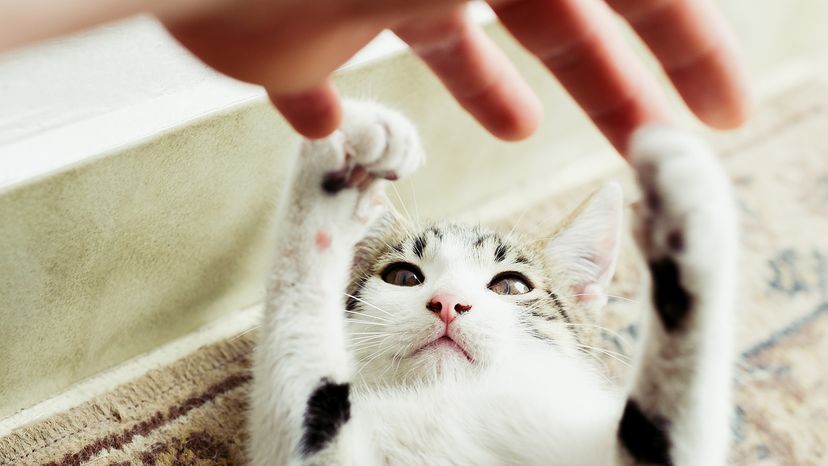
Regular Playtime
Playing with your cat helps it use energy in a positive way. This lowers chances of aggressive acts.
Choose toys that encourage chasing and pouncing. Play sessions should be daily and fun.
- Use wand toys to keep distance from claws
- Play for 10 to 15 minutes twice a day
- Let your cat catch the toy sometimes
- Stop play if your cat gets too rough
Credit: animals.howstuffworks.com
Effective Behavior Modification Techniques
Aggressive behavior in cats can be hard to handle. It needs patience and the right methods. Behavior modification helps change these habits over time.
This guide covers three key techniques. Use them to improve your cat’s behavior safely and kindly.
Positive Reinforcement
Reward your cat when it acts calmly or gently. This teaches your cat which behaviors are good. Use treats, petting, or soft praise as rewards.
- Give a treat after calm behavior
- Use a gentle voice to praise
- Play with your cat as a reward
- Avoid punishing bad behavior directly
Redirecting Aggression
When your cat shows aggression, guide its energy to something safe. This stops harm and teaches self-control. Use toys or games to change focus.
| Aggressive Action | Redirection Technique |
| Hissing or swatting | Offer a toy to bite or chase |
| Sudden attacks | Distract with a feather wand |
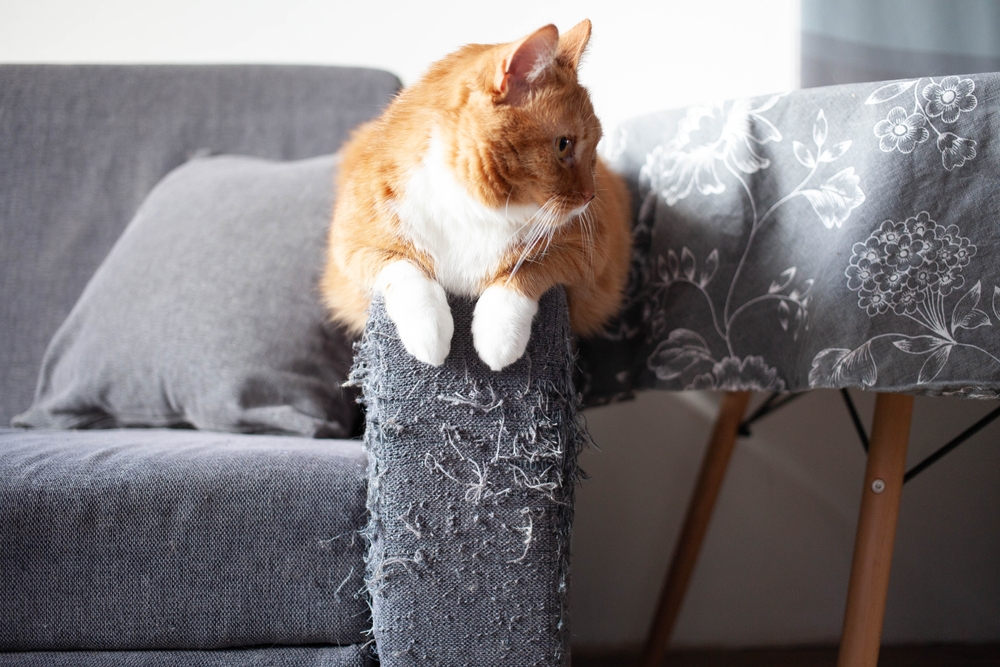
| Scratching furniture | Provide scratching posts |
Consistent Routine
Cats feel safe with a steady daily plan. It lowers stress and reduces aggression. Set fixed times for feeding, play, and rest.
Try this simple schedule:
- Feed your cat twice a day at the same time.
- Play with your cat for 15 minutes each morning and evening.
- Keep quiet time consistent for naps and rest.
- Use the same commands or signals for behavior cues.
Managing Aggression During Interactions
Aggressive behavior in cats can be stressful for both pets and owners. Managing this behavior during interactions helps keep everyone safe.
Understanding how to handle your cat calmly can reduce aggressive episodes and improve your bond.
Safe Handling Tips
Always approach your cat slowly and calmly. Sudden moves can scare or upset them.
Use gentle but firm holds if you need to pick up an aggressive cat. Support their body fully to avoid stress.
- Stay calm and speak softly
- Avoid grabbing the tail or ears
- Use a towel for gentle restraint if needed
- Give your cat space if they show signs of stress
Using Distractions
Distractions can help redirect your cat’s aggressive energy. Toys and treats work well to shift their focus.
Offer a favorite toy or play with a wand to calm your cat before aggression starts.
- Use interactive toys like feather wands
- Offer treats to reward calm behavior
- Play short, frequent sessions to reduce stress
- Introduce new toys to keep interest high
Avoiding Triggers
Identify what causes your cat’s aggression. Avoid those triggers to prevent fights or bites.
Common triggers include loud noises, sudden movements, or unwanted touching.
- Keep a calm and quiet environment
- Do not force petting if your cat pulls away
- Watch for signs like growling or hissing
- Remove children or other pets if they cause stress
Credit: justcatsclinic.com
When To Seek Veterinary Help
Aggressive behavior in cats can signal health problems. Knowing when to get veterinary help is important.
This guide covers signs of medical issues, therapy options, and medication to consider.
Identifying Medical Issues
Sometimes, aggression comes from pain or illness. Cats may hide symptoms well, so watch closely.
- Sudden aggression without clear cause
- Changes in eating or grooming habits
- Signs of injury or infection
- Frequent hiding or lethargy
These signs mean a vet check is needed to rule out health problems.
Behavioral Therapy Options
Behavioral therapy helps cats learn to manage aggression. A vet or animal behaviorist can guide this.
| Therapy Type | Description |
| Desensitization | Gradual exposure to triggers to reduce fear and aggression |
| Counter-Conditioning | Changing negative responses into positive ones |
| Environmental Enrichment | Adding toys, climbing areas, and playtime to reduce stress |
Medication Considerations
In some cases, vets may suggest medication to help control aggression. This is often combined with therapy.
Medications commonly used include:
- Anti-anxiety drugs
- Anti-depressants
- Behavior-modifying medications
Always follow the vet’s advice on dosage and duration.
Frequently Asked Questions
How Can I Identify Aggressive Behavior In Cats?
Aggressive cats may hiss, growl, or swipe their paws. Signs include biting, pouncing, and dilated pupils. Recognizing these early helps prevent escalation.
What Causes A Cat To Become Aggressive Suddenly?
Sudden aggression can stem from pain, fear, stress, or territorial disputes. Changes in environment or routine also trigger aggressive responses in cats.
How Can I Safely Stop My Cat’s Aggression?
Use calm, firm voice and avoid physical punishment. Redirect aggression with toys or distractions. Provide safe spaces and consult a vet if needed.
Can Diet Influence A Cat’s Aggressive Behavior?
Yes, poor nutrition may affect mood and behavior. Balanced diet with essential nutrients supports overall health and reduces irritability in cats.
Conclusion
Taming aggressive cat behavior takes patience and understanding. Observe your cat’s triggers. Address these issues with care and love. Provide a calm, safe environment. Reward positive behavior consistently. Create a predictable routine for your cat. Use gentle, positive reinforcement techniques.
Seek professional help if needed. Consistency is key for lasting changes. Your efforts can lead to a happier, peaceful home. Remember, every small step counts. Celebrate progress, however small it may seem. Your cat’s behavior can improve with time and attention.
Focus on building trust and connection. A happier bond awaits.