
Are you ready to welcome a furry friend into your life? Adopting a cat can bring joy, comfort, and companionship like no other.
But starting this new chapter the right way makes all the difference—for you and your new pet. Imagine having a smooth, stress-free experience that sets you and your cat up for happiness from day one. In this guide, you’ll discover everything you need to know to make your cat adoption a perfect start.
Keep reading, and get ready to create a bond that lasts a lifetime.
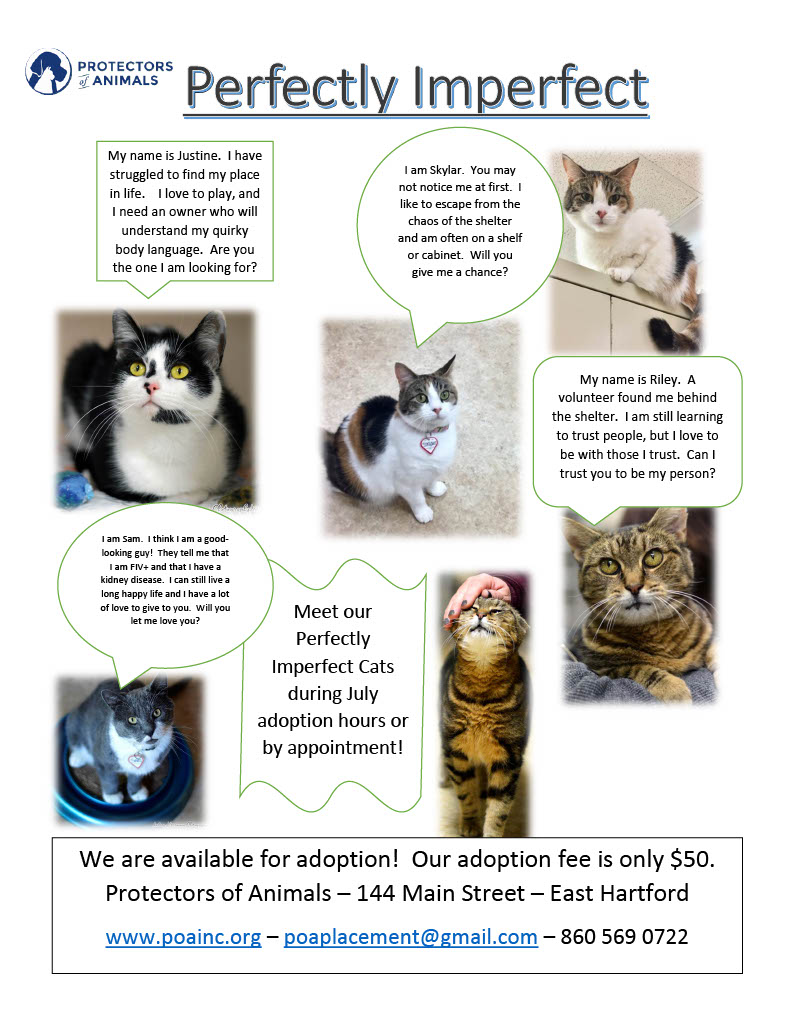
Credit: poainc.org
Preparing Your Home
Bringing a new cat into your home needs some planning. Preparing your space helps your cat feel safe and loved.
Setting up a calm and secure area makes the transition easier for your new pet.
Safe Spaces For Your Cat
Cats need quiet places to relax and hide. Create spots where your cat can feel safe and undisturbed.
- Choose a small room or corner away from noise.
- Place a soft bed or blanket there.
- Keep food, water, and litter nearby.
- Add a few toys to keep your cat busy.
Essential Supplies To Buy
Gather basic items before your cat arrives. These supplies help your cat settle in and stay healthy.
| Item | Purpose |
| Food and Water Bowls | Provide daily meals and hydration |
| Litter Box | Keep your home clean and your cat comfortable |
| Cat Food | Meet nutritional needs |
| Scratching Post | Protect furniture and keep claws healthy |
| Toys | Encourage play and exercise |
| Comfortable Bed | Offer a warm resting spot |
Cat-proofing Tips
Make your home safe by removing hazards. Check areas where your cat might get hurt or stuck.
Use this checklist to cat-proof your home:
- Hide electrical cords to prevent chewing.
- Keep small objects off the floor.
- Secure windows and balconies.
- Store cleaning supplies and medicines safely.
- Remove toxic plants from reachable spots.
Choosing The Right Cat
Choosing a cat for your home is an important decision. Cats have different needs and personalities. Picking the right one helps create a happy life for both you and the cat.
This guide helps you understand key points. Learn about kittens and adult cats, cat temperaments, and how to match a cat to your lifestyle.
Kitten Vs Adult Cat
Kittens are playful and need much care. They learn fast but require time and patience. Adult cats are calmer and often need less training. They may already know some rules.
- Kittens need more time and attention
- Adult cats can be less energetic
- Kittens are curious and playful
- Adult cats have known personalities
- Both can be loving companions
Considering Cat Temperament
Cats have unique temperaments. Some are shy, others are outgoing. Knowing a cat’s temperament helps you choose one that fits your home.
| Temperament | Description | Best For |
| Calm | Quiet and relaxed | Small homes, older owners |
| Playful | Active and energetic | Families, homes with kids |
| Shy | Timid and quiet | Quiet homes, patient owners |
| Social | Friendly and outgoing | Busy homes, other pets |
Matching Cat To Your Lifestyle
Your daily routine and home affect which cat fits best. Some cats need lots of playtime. Others enjoy quiet and rest. Think about your time and space before choosing.
- If you are busy, pick a calm adult cat.
- For active homes, a playful kitten fits well.
- Small spaces work better with less active cats.
- Allergies? Consider cats with less shedding.
First Day With Your Cat
Bringing a new cat home is exciting and needs care. The first day sets the tone for your cat’s comfort.
Give your cat space and time to adjust. Be calm and gentle to help them feel safe.
Introducing Your Cat To Its Space
Let your cat explore a small, quiet room first. Place its bed, litter box, and toys there.
- Open the carrier carefully and let the cat come out alone.
- Keep doors closed to prevent escapes.
- Show your cat where food and water are.
- Give soft words and gentle pets if the cat seeks attention.
Handling Initial Shyness
Some cats hide or stay quiet at first. This is normal and needs patience.
- Speak softly and move slowly.
- Offer treats and favorite toys.
- Let the cat come to you, do not force contact.
- Spend quiet time in the room without trying to touch the cat.
- Keep noises low and avoid sudden movements.
Setting Up Feeding Routines
Regular feeding times help your cat feel safe and build trust.
| Meal Time | Food Amount | Notes |
| Morning | ¼ cup | Fresh water nearby |
| Afternoon | ¼ cup | Quiet feeding spot |
| Evening | ¼ cup | Observe eating habits |

Credit: www.reddit.com
Feeding And Nutrition
Feeding your cat the right food is key to their health. Good nutrition helps them stay active and happy.
This guide covers how to select food, set feeding times, and keep your cat hydrated.
Selecting Cat Food
Choose cat food that matches your cat’s age and health needs. Look for high protein and essential nutrients.
- Pick food made for kittens, adults, or seniors
- Avoid fillers like corn and soy
- Check for meat as the first ingredient
- Include wet and dry food for variety
Feeding Schedule Tips
Keep a regular feeding schedule to help your cat feel secure. Feed smaller meals more often during the day.
- Feed kittens 3 to 4 times daily
- Feed adult cats 2 times daily
- Adjust portions based on activity level
- Remove uneaten wet food after 30 minutes
Hydration Importance
Cats need fresh water all day. Wet food can help keep them hydrated too.
| Hydration Tips | Description |
| Fresh Water | Change water daily and clean the bowl often |
| Wet Food | Contains moisture that supports hydration |
| Water Fountains | Encourages cats to drink more water |
Health Care Basics
Taking care of your cat’s health is important for a long and happy life. Knowing the basics helps you keep your pet safe and well.
This guide covers vet visits, vaccinations, and signs of common health problems in cats.
Scheduling Vet Visits
Regular vet visits help catch health issues early. New cats need a checkup soon after adoption.
After the first visit, plan yearly checkups. Older cats may need more frequent visits for their age.
Vaccinations And Preventatives
Vaccines protect your cat from serious diseases. Your vet will suggest which shots your cat needs.
- Core vaccines: rabies, feline distemper, and calicivirus
- Non-core vaccines: based on lifestyle and risk
- Flea and tick preventatives to avoid parasites
- Regular deworming to stop internal parasites
Recognizing Common Health Issues
| Health Issue | Common Signs | What to Do |
|---|---|---|
| Urinary Problems | Frequent urination, blood in urine, straining | See vet immediately |
| Respiratory Infections | Coughing, sneezing, runny nose or eyes | Keep cat warm, visit vet if not better |
| Skin Issues | Itching, hair loss, redness | Check for fleas, consult vet |
| Digestive Problems | Vomiting, diarrhea, loss of appetite | Monitor closely, vet visit if lasts >24 hrs |

Credit: cherokeecountysc.gov
Litter Training Tips
Helping your new cat learn to use the litter box is important. Good litter training makes your home clean and your cat happy.
Start training early and be patient. Cats may take time to adjust to their new environment.
Choosing The Right Litter Box
Select a litter box that fits your cat’s size and needs. A box that is too small or hard to enter can cause problems.
Make sure the sides are low enough for kittens but high enough to prevent spills. Covered boxes offer privacy but not all cats like them.
- Use a large box for adult cats
- Choose a low entry box for kittens or older cats
- Consider an uncovered box to see if your cat prefers it
Litter Types And Preferences
Cats have different preferences for litter. Try different types to find what your cat likes best.
Clumping litter is easy to clean. Non-clumping litter is gentle but needs more frequent changing.
- Clumping clay litter
- Non-clumping clay litter
- Silica gel crystals
- Natural or biodegradable litter
Troubleshooting Litter Problems
If your cat avoids the litter box, check for changes in litter or location. Cats dislike dirty or smelly boxes.
Try cleaning the box daily and moving it to a quiet, private area. If problems continue, visit a vet to rule out health issues.
- Clean the box every day
- Keep the box in a quiet place
- Use the same type of litter your cat prefers
- Watch for signs of illness or stress
Building A Bond
Adopting a cat is a special experience. Building a strong bond makes your cat feel safe and loved. It takes time and patience to create trust between you and your new pet.
Understanding your cat’s needs helps you connect better. Simple actions like playing and watching their body language can improve your relationship.
Playtime And Toys
Playtime helps your cat stay active and happy. Toys give them a chance to explore and use natural hunting skills. Use different toys to see what your cat enjoys most.
Interactive toys like wand teasers or balls encourage movement. Soft toys can be comforting for cats who like to carry or cuddle their toys.
- Try feather wands for chasing games
- Use small balls to encourage pouncing
- Offer soft stuffed toys for cuddling
- Rotate toys to keep interest high
Reading Cat Body Language
Cats use their body to tell you how they feel. Watching their tail, ears, and eyes helps you understand their mood. This makes it easier to respond the right way.
Signs like purring or slow blinking mean your cat is relaxed. A twitching tail or flattened ears show stress or fear. Respect these signals to keep your cat comfortable.
- Tail up means happy and confident
- Slow blinking shows trust
- Flattened ears mean nervous or scared
- Hissing or growling signals anger
Positive Reinforcement Techniques
Positive reinforcement helps your cat learn good behaviors. Reward your cat with treats or praise when they behave well. This builds trust and encourages repeat actions.
Use gentle words and petting as rewards. Avoid punishment because it can harm your bond. Consistency is key to helping your cat understand what you want.
- Give treats after good behavior
- Use calm voices and petting
- Ignore unwanted behavior instead of punishing
- Be patient and consistent
Handling Behavioral Challenges
Adopting a cat can bring joy and companionship. Some cats have behavior problems that need care. Understanding these behaviors helps create a happy home.
With patience and good techniques, you can handle common challenges. This guide covers scratching, aggression, and anxiety in cats.
Dealing With Scratching
Scratching is natural for cats. It keeps their claws sharp and marks territory. You can protect your furniture by giving good alternatives.
Offer scratching posts or pads in places your cat likes. Praise your cat when it uses these objects. Trim their nails regularly to reduce damage.
- Place scratching posts near favorite spots
- Use catnip on scratching posts to attract cats
- Gently redirect cats from furniture to posts
- Keep nails trimmed to limit scratching harm
Managing Aggression
Aggression can come from fear, pain, or stress. Watch your cat’s body language to spot signs early. Stay calm and avoid sudden moves.
Give your cat space if it acts aggressive. Use toys to play and release energy safely. Never punish your cat, as this can increase aggression.
- Recognize warning signs like hissing or growling
- Give your cat quiet space to calm down
- Use interactive toys to reduce built-up energy
- Do not yell or hit your cat
Reducing Anxiety And Stress
Cats feel stress from new places or loud noises. Create a safe, quiet area where your cat can relax. Keep routines steady to help your cat feel secure.
Use soft bedding and gentle voices to comfort your cat. Play soft music or use pheromone sprays to calm anxious cats. Patience helps your cat adjust well.
- Make a quiet spot with cozy bedding
- Keep feeding and play times regular
- Speak softly and move calmly around your cat
- Use calming products like pheromone diffusers
Frequently Asked Questions
What Should I Prepare Before Adopting A Cat?
Prepare a safe space with food, water, litter box, and toys. Research cat care basics and schedule a vet visit. Ensure your home is cat-proofed to prevent accidents or escapes.
How Do I Choose The Right Cat For Adoption?
Consider your lifestyle, living space, and activity level. Meet different cats to find one matching your personality and energy. Ask about the cat’s health, temperament, and history before deciding.
What Are The First Steps After Adopting A Cat?
Give your cat time to adjust quietly in one room. Provide fresh food, water, and a clean litter box. Schedule a vet checkup to ensure vaccinations and health are up to date.
How Can I Help My New Cat Settle In Quickly?
Create a calm environment and avoid loud noises. Spend gentle time playing and bonding daily. Introduce new areas gradually to reduce stress and build trust.
Conclusion
Adopting a cat brings joy and companionship. Cats offer love and warmth. Every day becomes brighter with their playful antics. Remember, a little patience goes a long way. Cats need time to adjust to new homes. Your kindness helps them feel secure and loved.
Prepare your space and heart for your new friend. A happy cat means a happy home. Enjoy every moment with your furry companion. The bond you build is truly special. Make each day count with your new cat friend. Embrace this journey of love and friendship.