Have you ever seen a feral cat and wondered how you could help? These cats live tough lives outside, often scared and hungry.
But with a little patience and the right approach, you can make a huge difference in their world. Imagine turning fear into trust and giving a stray cat a safe, loving home. If you want to learn exactly how to rescue a feral cat and change its life—and maybe even yours—keep reading.
This guide will walk you through every step, making the process simple and rewarding. Your kindness could be the key to saving a life.
Identifying A Feral Cat
Feral cats live mostly in the wild and avoid people. They usually do not live inside homes.
Knowing if a cat is feral helps you decide how to help it. Feral cats behave differently from pets.
Signs Of Feral Behavior
Feral cats often hide and stay away from humans. They may hiss or growl if you come close.
They usually look rough with dirt or scars. They are active at night and avoid loud noises.
- Hides in bushes or under cars
- Avoids eye contact and runs away
- Shows aggressive behavior like hissing
- Has a skinny or scruffy appearance
- Is mostly active during night hours
Differences Between Stray And Feral Cats
Stray cats once lived as pets but got lost. They are often friendlier than feral cats.
Feral cats have little or no contact with people. They depend on themselves to find food and shelter.
| Trait | Stray Cat | Feral Cat |
|---|---|---|
| Human Contact | Used to people | Avoids people |
| Behavior | May be friendly or scared | Usually scared and aggressive |
| Appearance | Often cleaner and healthier | Often rough and thin |
| Living Situation | May seek homes | Lives outdoors wild |

Credit: www.amazon.com
Preparing For The Rescue
Rescuing a feral cat needs careful planning. Preparing well helps keep you and the cat safe.
Before you start, gather supplies and pick the right trap. These steps make rescue easier.
Gathering Necessary Supplies
Having the right supplies ready is important. This helps you handle the cat gently and quickly.
- Heavy gloves to protect your hands
- Food to lure the cat
- Blankets or towels for wrapping
- A secure carrier to transport the cat
- Cleaning supplies in case of messes
- Water and bowls for feeding
- Flashlight if working in low light
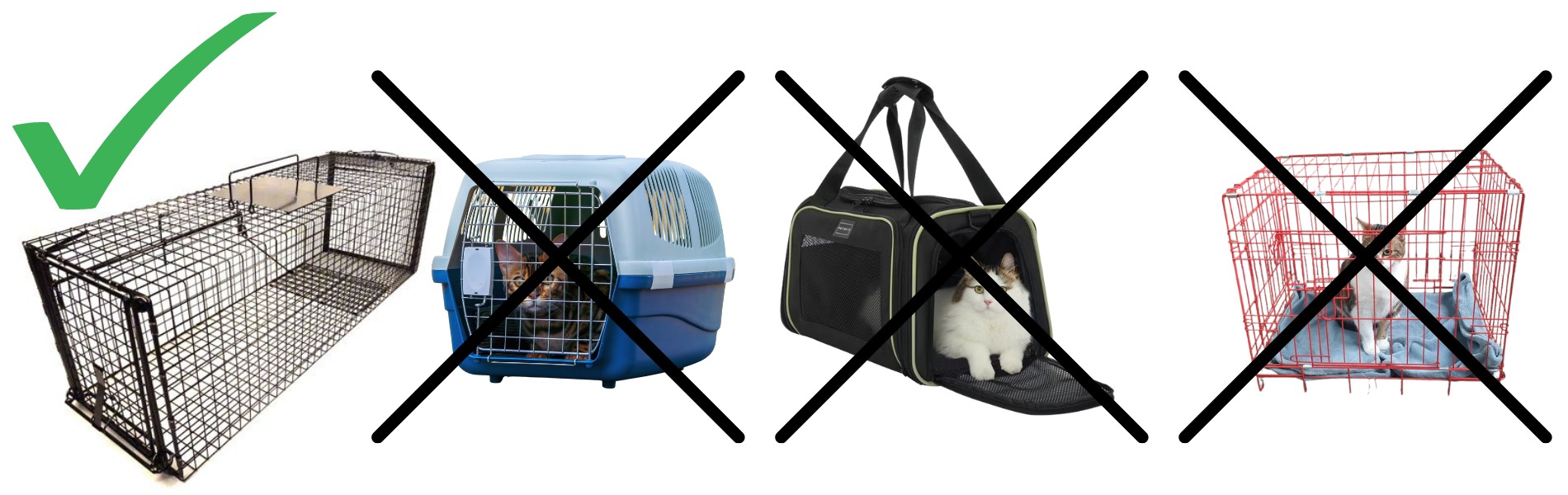
Choosing The Right Trap
Select a trap made for feral cats. It should be safe and easy to use.
Look for traps that are sturdy and have a quick trigger. This helps catch the cat without stress.
- Live cage traps are best for safety
- Make sure the trap is large enough for the cat
- Check for smooth edges to avoid injury
- Choose a trap with a door that locks securely
- Use bait like canned tuna or fish to attract the cat
Approaching The Cat Safely
Rescuing a feral cat requires patience and care. Approaching the cat safely helps build trust.
It is important to move slowly and watch the cat’s reactions. This keeps both you and the cat safe.
Building Trust Gradually
Start by observing the cat from a distance. Let the cat get used to your presence without feeling threatened.
- Stay quiet and avoid sudden movements.
- Offer food or treats at a distance.
- Slowly reduce the space between you and the cat over several days.
- Speak softly to calm the cat.
- Use a calm and gentle hand to let the cat sniff you.
Avoiding Common Mistakes
Many people rush the process and scare the cat. Avoid these common mistakes to have a better chance at rescue.
| Mistake | Why It Is Harmful | What To Do Instead |
|---|---|---|
| Chasing the cat | Frightens the cat and makes it run away | Move slowly and stay calm |
| Trying to grab the cat too soon | Causes stress and possible injury | Wait until the cat shows trust |
| Using loud voices or sudden noises | Startles the cat and breaks trust | Speak softly and avoid loud sounds |
| Ignoring the cat’s body language | Misses signs of fear or discomfort | Watch for signs like hissing or ears back |
Trapping The Cat
Rescuing a feral cat starts with safely trapping it. This process needs care and patience.
You must prepare the trap properly to avoid scaring the cat away.
Setting Up The Trap
Place a humane trap in a quiet, safe spot where the cat visits. Avoid busy or noisy areas.
Make sure the trap is stable on flat ground to avoid tipping over.
- Use a covered area if possible to make the cat feel safe
- Check the trap for any damage or sharp edges
- Open the trap doors fully before setting it
Baiting Techniques
Use strong-smelling food to lure the cat into the trap. Wet cat food is often effective.
Place the bait at the far end of the trap, past the trigger plate, to ensure the cat steps on it.
- Use tuna, sardines, or chicken for bait
- Do not overfill the trap to avoid food spills
- Change bait if the cat loses interest
Monitoring The Trap
Check the trap often to reduce stress for the trapped cat. Never leave it unattended for long.
Wear gloves when handling the trap to protect yourself and the cat.
- Check the trap every few hours
- Cover the trap with a towel after capture to calm the cat
- Prepare to transport the cat safely to a vet or shelter
Transporting The Cat
Moving a feral cat can be tricky. It is important to keep the cat calm and safe during transport.
Proper preparation helps reduce stress for both you and the cat.
Handling With Care
Feral cats are often scared and may try to escape. Handle them gently to avoid injury.
Wear thick gloves and long sleeves to protect your skin from scratches and bites.
- Approach the cat slowly and quietly
- Use a towel or blanket to gently pick up the cat
- Keep the cat close to your body for security
- Do not make sudden movements or loud noises
Choosing A Safe Carrier
Select a sturdy carrier that is secure and has good ventilation. This helps the cat feel safer.
Make sure the carrier is large enough for the cat to move but small enough to keep it comfortable.
- Use a hard plastic carrier with a secure door
- Place soft bedding inside for comfort
- Check that all latches close tightly
- Cover the carrier with a towel to reduce stress
Initial Medical Check And Care
Rescuing a feral cat needs careful medical attention. These cats often face health problems.
Early medical care helps the cat recover and stay healthy in a new home.
Veterinary Examination
Take the feral cat to a vet as soon as possible. The vet checks for injuries and illnesses.
The vet looks for signs of parasites, infections, and overall health problems. Blood tests may be done.
- Check for wounds or broken bones
- Look for fleas, ticks, and mites
- Test for common diseases like FIV and FeLV
- Assess weight and hydration levels
Vaccinations And Treatments
Vaccinate the cat to protect it from serious diseases. The vet will suggest needed shots.
Treat the cat for parasites and infections. Medicines help it feel better and prevent spread to others.
- Rabies vaccine to protect against deadly disease
- Feline distemper and respiratory vaccines
- Deworming to remove internal parasites
- Flea and tick treatments for external pests
- Antibiotics if infections are found
Socializing And Rehabilitating
Rescuing a feral cat takes patience and care. Socializing helps the cat trust people. Rehabilitating gives the cat a chance for a better life.
Each cat is different. Some may warm up fast. Others need more time and quiet space. Learning how to help them feel safe is key.
Creating A Safe Space
Start by setting up a quiet, small area just for the cat. This space should have food, water, and a litter box. Keep it away from noise and pets.
- Choose a quiet room with a door
- Place soft bedding for comfort
- Provide clean food and water bowls
- Set up a litter box nearby
- Remove loud noises and distractions
Encouraging Positive Interaction
Let the cat come to you. Avoid sudden moves or loud sounds. Talk softly and offer treats to build trust. Use toys to engage the cat without touching first.
| Interaction Type | How to Do It |
| Watching | Spend time near the cat without making eye contact |
| Talking | Speak in a calm, gentle voice |
| Playing | Use wand toys or string to encourage movement |
| Offering Food | Hand-feed treats to build positive links |
| Petting | Only try after the cat shows comfort and trust |
Credit: robinsonsrescue.org
Deciding On Long-term Options
Rescuing a feral cat is only the first step. You need to plan what happens next. Long-term care helps the cat live a better life.
Think about the cat’s needs and your ability to help. Two common options are adoption and Trap-Neuter-Return programs.
Adoption Possibilities
Some feral cats can become pets with time and patience. This works best for young or friendly cats. Adoption gives the cat a safe home indoors.
Adopted cats need space to feel safe. They also need food, water, and medical care. Not all feral cats adjust well to homes.
- Start by slowly gaining the cat’s trust
- Use quiet, calm voices around the cat
- Offer food daily in the same spot
- Provide a small, safe space for the cat
- Work with a vet for vaccinations and health checks
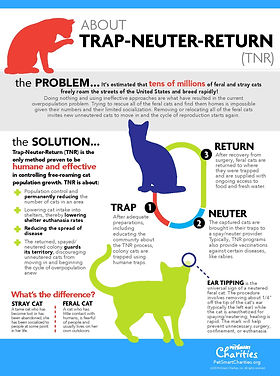
Trap-neuter-return (tnr) Programs
TNR helps control feral cat populations without removing them from their area. Cats are trapped, neutered or spayed, and then returned outside.
TNR keeps cats healthier and reduces unwanted litters. It also lowers noise and fights among cats. Many communities support TNR programs.
- Trap cats safely using humane traps
- Take cats to a vet for neutering or spaying
- Provide vaccinations and health checks
- Return cats to their original outdoor homes
- Feed and monitor cats regularly after return
Preventing Future Stray Populations
Rescuing a feral cat helps one animal, but stopping more strays is key. We must act to reduce stray cat numbers in communities.
Working together and using smart methods can keep cat populations under control. Here are two main ways to help.
Community Involvement
Community support is vital in managing feral cat populations. People can help by reporting strays and supporting local rescue groups.
- Organize neighborhood watch programs for stray cats
- Share information about feeding stations and shelters
- Volunteer for trap-neuter-return (TNR) projects
- Educate neighbors about humane cat care and population control
Spaying And Neutering Initiatives
Spaying and neutering reduces unwanted litters and helps lower stray numbers over time. Offering low-cost services increases access for many pet owners.
| Benefit | Description |
| Population Control | Prevents new kittens from adding to stray numbers |
| Health Improvement | Reduces risk of diseases and infections |
| Behavioral Change | Decreases fighting and roaming habits |
| Community Support | Increases awareness and participation |

Credit: www.spaynsave.org
Frequently Asked Questions
How Do I Safely Approach A Feral Cat?
Approach slowly and quietly to avoid startling the cat. Use gentle body language and avoid direct eye contact. Offer food to build trust gradually. Patience is key in gaining a feral cat’s confidence over time.
What Supplies Are Needed To Rescue A Feral Cat?
Basic supplies include a humane trap, gloves, food, water, and a secure carrier. Prepare a quiet, warm space for the cat. Also, have cleaning materials and veterinary contacts ready for after rescue care.
How Can I Tell If A Feral Cat Is Healthy?
Look for clear eyes, clean fur, and normal breathing. Check for wounds, limping, or signs of parasites. A vet check is essential to confirm health and provide vaccinations or treatment.
When Should I Neuter Or Spay A Feral Cat?
Spaying or neutering should happen soon after rescue, ideally within a few days. This helps control the feral population and improves the cat’s health and behavior over time.
Conclusion
Rescuing a feral cat takes time and patience. Start with small steps. Offer food and create a safe environment. Observe the cat’s behavior closely. Slowly build trust through consistent care. Approach with caution and kindness. Each cat’s journey is unique.
Celebrate small victories along the way. Remember, your efforts make a difference. The cat’s well-being is the priority. Keep learning and adapting your approach. Support from local shelters can be helpful. Stay committed and patient. Your dedication can change a feral cat’s life.