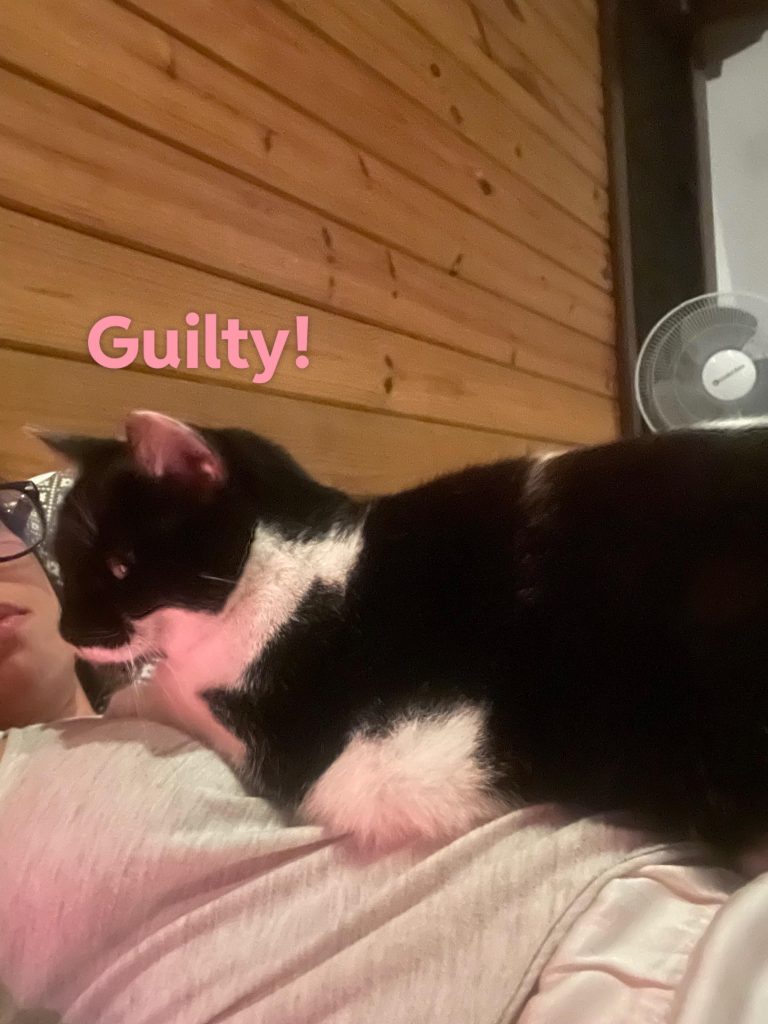
Have you ever found your clothes smelling strange or damp, only to discover that your cat has peed on them? It’s frustrating, confusing, and honestly, a bit upsetting.
You might wonder, “Why would my cat pee on my clothes? ” Understanding the reasons behind this behavior can help you stop it for good. Keep reading, because uncovering the truth could save your favorite outfits and strengthen the bond with your furry friend.

Credit: www.reddit.com
Common Causes Of Cat Urination On Clothes
It is frustrating when your cat pees on your clothes. Understanding why cats do this helps you fix the problem. Cats do not urinate on clothes to be bad.
There are several reasons for this behavior. Some are related to stress, others to health or marking territory.
Stress And Anxiety Triggers
Cats feel stress from changes in their environment. Loud noises, new people, or moving home can upset them. Stress makes cats act out, including urinating on clothes.
Clothes may smell like their owner, so cats choose them for comfort. Urinating on clothes is their way to feel safer.
- New pets or animals in the house
- Changes in daily routine
- Renovations or loud sounds
- Owner’s absence or new people
Territorial Marking Behavior
Cats use urine to mark territory. If they feel their space is threatened, they spray or pee on items. Clothes left on the floor or furniture are easy targets.
This behavior is common in unneutered cats. Marking helps them show ownership and keep other cats away.
- Unneutered or unspayed cats mark more
- New cats entering the home
- Strong smells from other animals
- Shared living spaces with other cats
Medical Issues To Consider
Sometimes, cats pee on clothes because they are sick. Urinary tract infections and bladder problems cause pain and urgency. Cats may not reach the litter box in time.
Other health issues like kidney problems or diabetes also change urination habits. A vet check is important to rule out medical causes.
- Urinary tract infections (UTIs)
- Bladder stones or inflammation
- Kidney disease
- Diabetes
- Arthritis making litter box access hard

Credit: medium.com
Environmental Factors Influencing Behavior
Cats often pee on clothes due to changes in their environment. These changes can make them feel stressed or confused.
Understanding the environment can help solve this problem. It is important to look at what may be causing your cat to act this way.
Changes In Home Setup
Moving furniture or adding new items can upset your cat. Cats like familiar places and routines.
When their space changes, cats may mark clothes to feel safe. This is their way of coping with stress.
Litter Box Problems
A dirty or hard-to-reach litter box can cause accidents. Cats avoid using a litter box if it is not clean.
Sometimes the litter type or box location is not right. This makes cats choose other spots, like clothes.
- Litter box too small or covered
- Not cleaned daily
- Box placed near noisy areas
- Litter type your cat dislikes
Scent And Smell Factors
Cats rely on smell to recognize their territory. Clothes with new or strong smells may confuse them.
They may pee on clothes to add their own scent. This behavior helps them feel more secure.
Psychological Reasons Behind The Habit
Cats sometimes pee on clothes for reasons beyond health. Their minds and feelings can cause this behavior.
Understanding why cats do this helps owners address the problem better and make cats feel safe.
Attention-seeking Actions
Cats may pee on clothes to get your attention. They want you to notice them quickly.
- Feeling ignored or lonely
- Wanting more playtime or petting
- Reacting to changes in daily routine
- Trying to communicate stress or discomfort
Fear And Insecurity Responses
Fear or insecurity can make cats mark clothes with urine. They use it to feel safer in their space.
| Cause | Effect on Cat |
| New people or pets | Stress and marking territory |
| Loud noises | Fear and hiding behavior |
| Changes in home | Insecurity and urine marking |
| Past trauma | Ongoing anxiety and marking |

Credit: www.reddit.com
Preventive Measures And Solutions
Cats may pee on clothes for several reasons. You can stop this behavior by taking simple steps.
Preventive measures help keep your cat happy and your clothes safe. Follow these tips to find solutions.
Improving Litter Box Hygiene
Clean litter boxes encourage cats to use them properly. Dirty boxes may cause your cat to avoid them.
- Scoop waste daily
- Change litter completely once a week
- Use unscented, clumping litter
- Place litter boxes in quiet, private areas
- Provide one box per cat plus one extra
Reducing Stress For Your Cat
Stress can make cats pee outside their litter boxes. Keep your cat calm to avoid accidents.
| Cause of Stress | How to Reduce It |
| New pets | Introduce slowly and supervise |
| Changes in routine | Keep feeding and playtimes consistent |
| Loud noises | Provide a quiet safe space |
| Visitors | Limit access to your cat’s area |
Using Deterrents And Training
Deterrents stop cats from peeing on clothes. Training teaches them where to go.
Try these methods:
- Use citrus scents on clothes; cats dislike them
- Keep clothes in closed drawers or closets
- Reward your cat when it uses the litter box
- Use a pet-safe spray to mark clothes as off-limits
- Consult a vet for advice if needed
When To Consult A Veterinarian
If your cat pees on your clothes, it might signal a health problem. Knowing when to see a vet can protect your cat’s health.
Some signs show your cat needs medical help. Early care can stop bigger issues.
Recognizing Health Symptoms
Watch for changes in your cat’s behavior or body. These signs may mean your cat feels pain or illness.
Common symptoms include:
- Frequent urination or straining
- Blood in the urine
- Strong urine smell
- Excessive licking of the genital area
- Loss of appetite or vomiting
- Sudden aggression or hiding
If you notice any of these, book a vet visit quickly.
Medical Tests And Treatments
Your vet will run tests to find the cause of the problem. Tests help decide the right treatment.
Common tests include:
- Urine analysis to check infections or crystals
- Blood tests to check organ function
- X-rays or ultrasound to view the bladder and kidneys
- Physical exam to find pain or swelling
Treatments may involve antibiotics, diet changes, or other medicines. Follow the vet’s advice closely.
Frequently Asked Questions
Why Does My Cat Pee On My Clothes?
Cats pee on clothes due to stress, territory marking, or litter box issues. Clothes retain their scent, attracting cats. It signals discomfort or anxiety. Identifying the cause helps prevent this behavior.
How Can I Stop My Cat From Peeing On Clothes?
Keep clothes out of reach and clean soiled areas thoroughly. Provide a clean litter box and reduce stress. Use enzymatic cleaners to remove odors and consult a vet if behavior persists.
Is My Cat Sick If It Pees On Clothes?
Frequent urination outside the litter box may indicate health issues like urinary tract infections. Consult a veterinarian to rule out medical problems and ensure your cat’s well-being.
Can Stress Cause Cats To Pee On Clothes?
Yes, stress triggers inappropriate urination. Changes in environment, new pets, or loud noises can stress cats. Reducing stress and providing a calm space helps prevent this behavior.
Conclusion
Identifying why your cat pees on clothes is crucial. It helps address underlying issues. Stress, medical problems, or territorial marking could be reasons. Observe your cat’s behavior closely. Consult a vet if needed. Proper litter box habits must be encouraged.
Clean accidents thoroughly to remove scent. Use positive reinforcement to guide your cat. Building a trusting environment is important. Understanding your cat’s needs can strengthen your bond. Patience and care make a difference. Stay attentive and proactive. Addressing the issue early benefits both you and your feline friend.
Your home stays cleaner, and your cat remains happy.