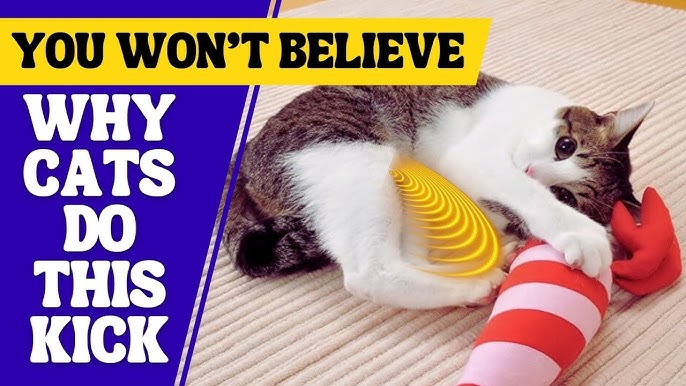
Ever caught your cat in the act of kicking their toys across the room? You watch, fascinated, as they grip a toy with their front paws and ferociously kick with their hind legs.
It’s a sight that’s equally amusing and puzzling. But have you ever wondered why your feline friend does this? Understanding this behavior is not just about satisfying your curiosity. It can deepen your bond with your cat and help you choose the best toys to keep them happy and healthy.
Get ready to unlock the mystery behind this playful kicking and discover what it reveals about your cat’s instincts and needs. Stick around to find out how this behavior is more than just fun and games—it’s a window into your cat’s world.
Cat Play Behavior
Cats often kick their toys during play. This action shows their natural behaviors. Understanding why cats do this helps us learn more about them.
Play is important for cats. It keeps them active and happy. Kicking toys is part of how they express themselves.
Instincts Behind Play
Cats have strong hunting instincts. Kicking toys mimics how they catch prey. It is a natural behavior passed down from wild cats.
When cats kick, they are practicing skills. These skills help them catch food and protect themselves in the wild.
Hunting Simulation
Kicking toys acts like hunting practice. Cats use their back legs to kick after grabbing prey. This helps them control and finish the hunt.
During play, cats pretend their toys are real animals. Kicking is part of this pretend hunting process.
- Grab the toy with front paws
- Hold the toy tight
- Kick with back legs to “immobilize”
Energy Release
Cats have lots of energy to burn. Kicking toys helps them use this energy. It keeps their muscles strong and mind sharp.
Play with toys reduces stress and boredom. Kicking is a fun way to stay active indoors.
Reasons For Kicking Toys
Cats often kick their toys with their back legs. This action is natural and shows their instincts. It helps them practice skills they use in the wild.
Understanding why cats kick toys can help owners appreciate their pet’s behavior. It also shows how play connects to a cat’s hunting nature.
Mimicking Prey Capture
Kicking toys imitates how cats catch prey in nature. When a cat hunts, it uses its hind legs to hold and kick the prey. This helps to tire the prey before the final catch.
Marking Territory
Cats have scent glands in their paws. When they kick toys, they leave their scent behind. This marks the toy as part of their territory.
- Kicking spreads scent from paw pads
- Scent marks warn other animals
- It shows ownership of the toy
Practice For Hunting Skills
Kicking toys helps cats improve their hunting skills. It builds strength and coordination. This practice keeps their reflexes sharp.
| Hunting Skill | How Kicking Helps |
| Strength | Builds muscle in hind legs |
| Coordination | Improves timing and balance |
| Control | Teaches how to hold prey firmly |
Types Of Toys Cats Prefer
Cats love to play with toys that feel fun and easy to handle. They often choose toys that match their natural hunting instincts.
Different cats like different kinds of toys. Some prefer soft toys, while others enjoy toys that move or toys made at home.
Soft And Lightweight Toys
Soft and light toys are easy for cats to kick and carry. These toys are gentle on their paws and claws.
Stuffed mice, small balls, and feather toys are popular soft options. Cats can easily bat these toys around the room.
- Stuffed animals shaped like prey
- Small fabric balls
- Feather wands and teasers
Interactive And Moving Toys
Interactive toys catch a cat’s attention and encourage chasing. Moving toys mimic the behavior of real prey.
Laser pointers, motorized mice, and balls that roll on their own are great examples. Cats enjoy the challenge and excitement.
- Laser pointers for quick movements
- Battery-powered rolling balls
- Motorized toys with erratic motion
Diy And Homemade Options
DIY toys can be simple and fun to make. Cats often like toys made from everyday items.
Try using paper balls, cardboard boxes, or fabric scraps. These toys are cheap and easy to replace if damaged.
- Crumpled paper balls
- Cardboard boxes with holes
- Fabric strips tied in knots

Credit: www.petscare.com
How To Encourage Healthy Play
Cats kick their toys to show their natural hunting skills. This behavior helps them stay active and healthy.
Encouraging safe and fun play keeps your cat happy. You can support this by choosing the right toys and setting a good play space.
Choosing The Right Toys
Select toys that mimic small animals to keep your cat interested. Toys with feathers, bells, or soft fabric work well.
Make sure toys are the right size. Too small toys can be swallowed, and too big toys may not be fun to kick.
- Soft balls or mice for kicking and pouncing
- Interactive toys with feathers or strings
- Durable toys that do not break easily
Safe Play Environment
Create a space free of sharp objects and hazards. This helps prevent injuries while your cat plays and kicks toys.
Keep the play area clean and clear. Avoid small items that your cat could swallow or choke on during playtime.
- Soft surfaces like carpets or rugs
- Clear floor space for running and jumping
- No toxic plants or chemicals nearby
Interactive Playtime Tips
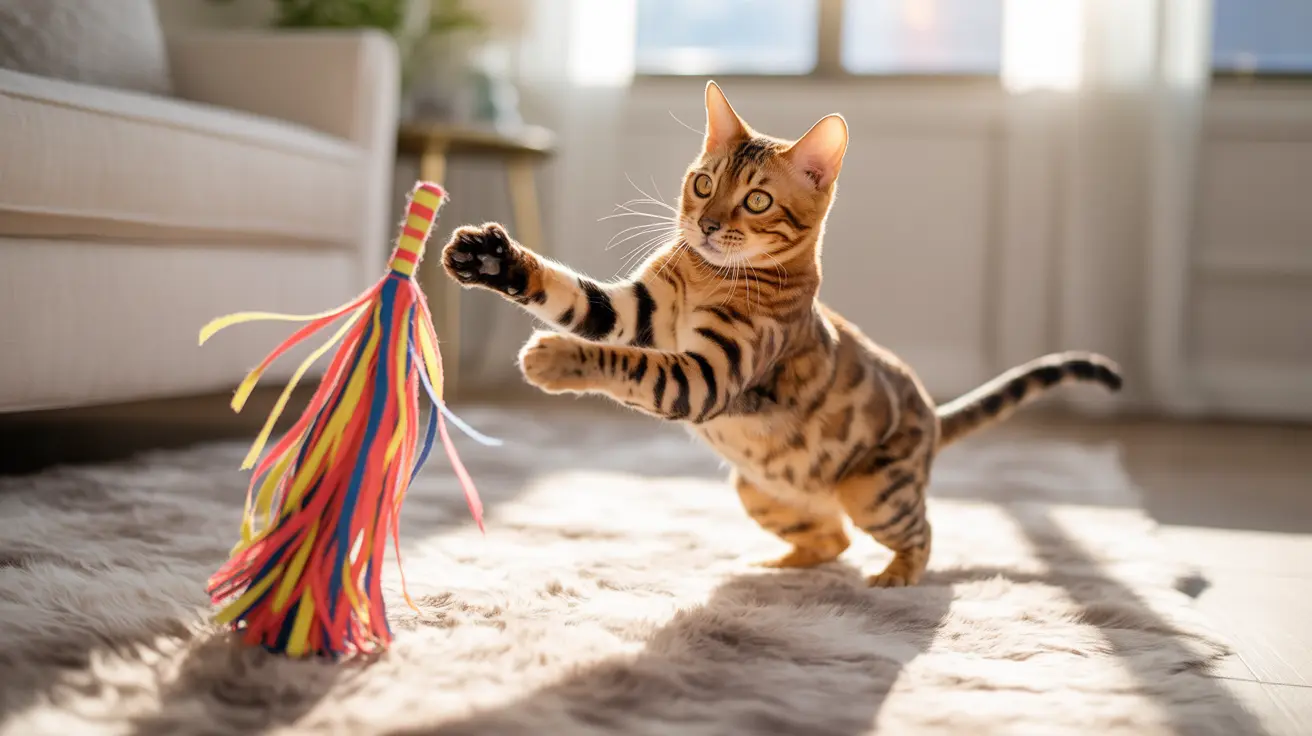
Join your cat during play to strengthen your bond. Use toys that let you move and tease your cat.
Let your cat kick and chase the toy. Give praise and pet them after play to encourage positive behavior.
- Use wand toys to mimic prey movements
- Allow your cat to catch and kick toys
- Keep play sessions short but frequent
Common Misconceptions
Many people wonder why cats kick their toys. Some believe it shows anger or bad behavior. This is not always true.
Understanding why cats kick toys helps owners respond better. It also improves the cat’s happiness and health.
Aggression Vs Play
Some think cats kick toys because they are aggressive. Actually, cats often kick as part of play. It is a natural hunting action.
Kicking helps cats practice hunting skills like grabbing and holding prey. It is a safe way to release energy.
Boredom Or Stress
Cats may kick toys when bored or stressed. It gives them something to do and helps reduce anxiety.
Providing toys can keep cats busy and calm. It stops unwanted behaviors like scratching furniture or excessive meowing.
Impact On Cat Behavior
Kicking toys can improve a cat’s mood and health. It keeps their mind active and body strong.
If cats cannot kick or play enough, they may become bored or frustrated. This can cause behavior problems.
- Regular play reduces stress
- Active cats stay healthier
- Playtime strengthens the bond with owners
Credit: www.petscare.com

Credit: medium.com
Frequently Asked Questions
Why Do Cats Kick Their Toys Repeatedly?
Cats kick their toys to mimic hunting behavior. This action helps them practice capturing prey and release pent-up energy. It also satisfies their natural instincts and provides mental stimulation, keeping them entertained and engaged.
Is Kicking Toys A Sign Of Aggression In Cats?
No, kicking toys is usually playful, not aggressive. It reflects a cat’s hunting instinct and excitement. However, excessive aggression or biting may require attention. Generally, toy kicking is a healthy way for cats to express energy and practice skills.
Do All Cats Kick Their Toys The Same Way?
No, toy kicking varies by individual cat. Some use front paws, others use back legs or a mix. This behavior depends on personality, energy levels, and hunting experience. Each cat has a unique style of playing and expressing instincts.
Can Kicking Toys Improve A Cat’s Hunting Skills?
Yes, kicking toys helps sharpen a cat’s hunting skills. It simulates catching and immobilizing prey, boosting coordination and reflexes. This play behavior encourages physical exercise and mental alertness, which are vital for a cat’s overall well-being.
Conclusion
Cats kick their toys to practice hunting skills and have fun. This behavior helps them stay active and sharp. Watching your cat kick shows their natural instincts at work. Giving them safe toys encourages healthy play and exercise. Remember, this action is normal and part of their nature.
Enjoy these playful moments with your furry friend. They express joy and keep their minds busy through play. Understanding why cats kick toys deepens your bond with them. Keep offering toys that invite this fun, lively behavior.