Are you a proud cat parent witnessing your furry friend gnawing on everything in sight? You might be wondering if your cat needs teething toys.
Just like human babies, kittens go through teething phases, and during this time, they can be quite the little nibblers. But do they truly need teething toys, or is it just another pet accessory taking up space in your home?
Understanding your cat’s needs can make a world of difference in keeping them happy and healthy. Plus, it can save your furniture from becoming their personal chew target! We’ll explore the ins and outs of feline teething and how the right toys can make all the difference. Ready to discover the secret to soothing your kitty’s teething woes? Keep reading!
Why Kittens Chew
Kittens chew for many reasons as part of their growth and learning. Chewing helps them explore the world around them.
Chewing also eases discomfort during their teething phase. It is a natural behavior seen in young cats.
Teething Process In Cats
Kittens start teething at about three weeks old. Their baby teeth fall out, and adult teeth grow in.
This process can cause soreness and irritation in their gums. Chewing helps relieve this discomfort.
- Kittens lose 26 baby teeth
- Adult teeth come in by six months
- Chewing reduces gum pain
- Teething can make kittens restless
Common Chewing Behaviors
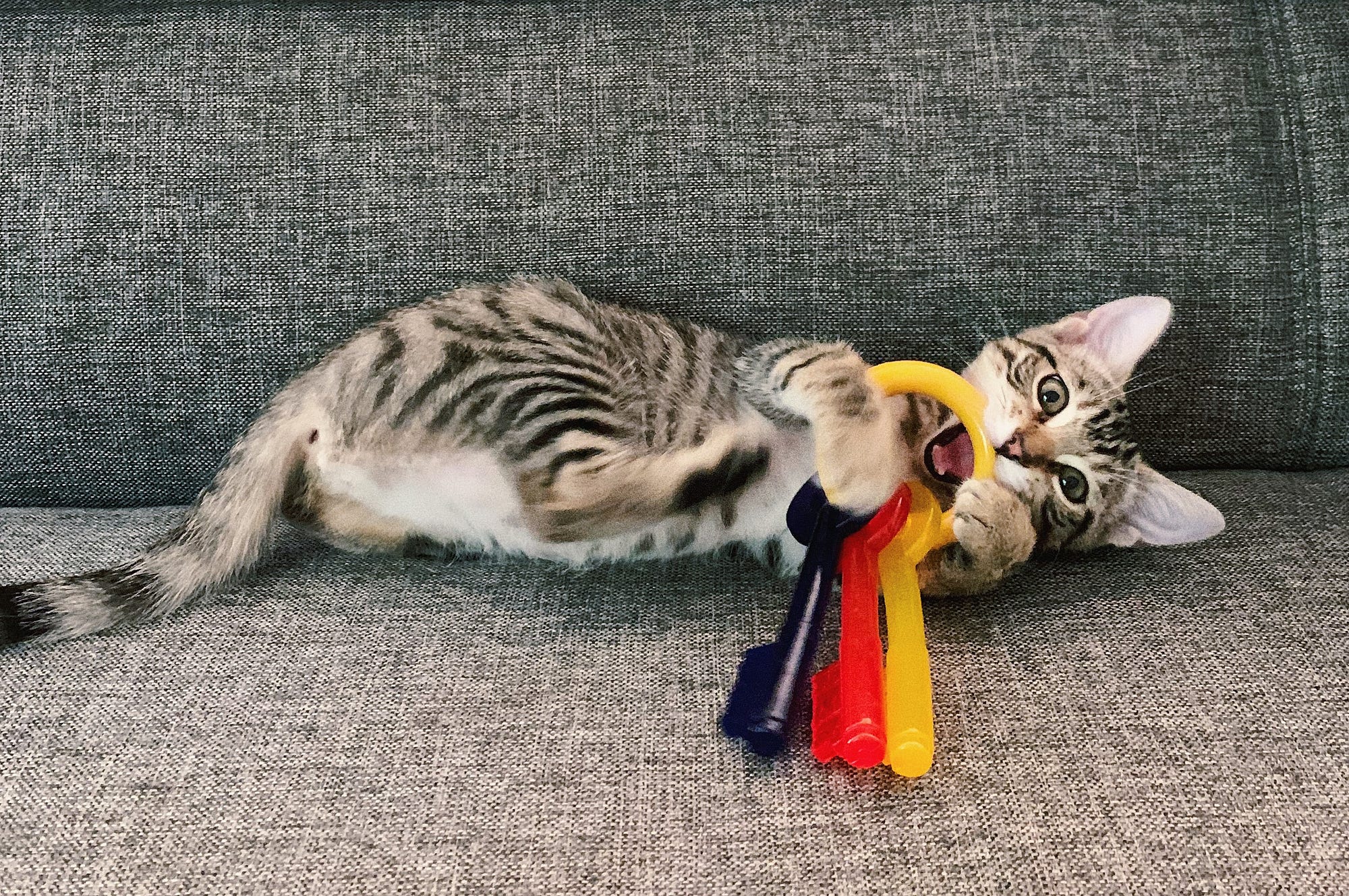
Kittens often chew on different objects to soothe their gums. They may bite toys, furniture, or even fingers.
Chewing also helps kittens learn about their environment and practice hunting skills. It is normal behavior.
- Chewing soft toys eases gum pain
- Biting helps build jaw muscles
- Chewing is a way to relieve stress
- Sometimes kittens chew out of boredom
Benefits Of Teething Toys
Teething toys can help cats during their teething stage. They offer comfort and keep cats busy.
Using teething toys can improve your cat’s health and protect your home from damage.
Soothing Sore Gums
Teething toys help soothe a cat’s sore gums. Cats feel less pain when they chew on these toys.
The gentle pressure from chewing eases gum discomfort and helps teeth come in smoothly.
- Reduces gum swelling
- Relieves teething pain
- Keeps cats calm and happy
Preventing Destructive Chewing
Cats often chew on furniture or cords when they have sore gums. Teething toys provide a safe option.
Giving cats toys stops them from damaging your belongings and keeps them entertained.
- Protects furniture and wires
- Encourages healthy chewing habits
- Reduces unwanted behaviors
Choosing The Right Toys
Teething can be a tough time for kittens. Picking the right toys helps them chew safely. The right toys also protect their new teeth and gums.
Let’s look at what materials and sizes work best for kittens. These choices keep playtime fun and safe.
Safe Materials For Kittens
Choose toys made from non-toxic and soft materials. Avoid anything that can break into small parts. These parts can be swallowed and cause harm.
- Natural rubber: soft and durable for chewing
- Silicone: gentle on gums and easy to clean
- Cotton or wool: safe for light chewing and cuddling
- Avoid plastic or hard materials that can chip
Size And Texture Options
Pick toys that fit your kitten’s small mouth. Toys should feel comfortable and not too hard. Different textures help clean teeth and soothe gums.
| Size | Texture | Benefit |
| Small (2-3 inches) | Soft and squishy | Easy to chew and hold |
| Medium (3-5 inches) | Textured surface | Massages gums during teething |
| Large (5+ inches) | Firm but flexible | Encourages active play and chewing |

Credit: www.amazon.com
Diy Teething Toys
Cats chew on things when they are teething or exploring. Giving them toys helps protect your furniture and keeps them happy. You can make safe teething toys at home with simple materials.
DIY toys let you control what your cat chews. Use items that are safe and easy to clean. This guide shares simple ideas and safety tips for homemade teething toys.
Simple Homemade Ideas
Use soft fabrics, yarn, or felt to make toys that cats can chew safely. You can stuff small cloth bags with catnip or dried herbs to attract your cat. Knotted fabric strips also work well as chew toys.
- Sew a small pouch with soft cotton and fill it with catnip.
- Make knots from old t-shirts or yarn for chewing and playing.
- Wrap a ping pong ball with fabric strips to create a soft ball toy.
- Use felt cut into shapes and sewn together for a durable chew toy.
Using Household Items Safely
Choose household items that do not have sharp edges or toxic parts. Avoid small pieces that cats can swallow. Clean toys regularly to keep them safe and hygienic.
| Item | Safe Use Tips |
|---|---|
| Old socks | Wash well and tie ends tightly to avoid loose threads. |
| Cardboard tubes | Remove any staples or tape before giving to your cat. |
| Wooden spoons | Ensure no splinters; sand rough edges smooth. |
| Plastic bottle caps | Avoid if small enough to swallow; supervise play. |
Introducing Toys To Your Kitten
Giving toys to your kitten helps them grow strong and happy. Toys keep kittens busy and teach them how to play gently.
Start with soft and small toys that fit their tiny paws and mouths. This helps them feel safe and excited to play.
Encouraging Play
Playtime helps kittens learn and burn energy. You can make play fun by trying different toys and games.
- Use feather wands to catch their attention
- Roll small balls for them to chase
- Hide toys under blankets for surprise play
- Spend short times playing several times a day
- Praise your kitten when they play nicely
Handling Reluctance
Some kittens may not want to play at first. Be patient and gentle to help them feel comfortable.
| Reason | How to Help |
| Shy or scared | Give quiet space and soft toys |
| Too tired | Try play at different times of day |
| Not interested | Change toy type or style |
| Needs comfort | Hold and pet gently before play |

Credit: www.reddit.com
Alternatives To Teething Toys
Cats do not always need special teething toys. There are other ways to help them chew safely. These alternatives keep cats happy and healthy.
Using natural options and play techniques can reduce chewing problems. These choices fit many cats’ needs and habits.
Natural Chewing Options
Some natural items can satisfy a cat’s need to chew. These are safe and often easy to find at home or outside.
Chewing on these options helps clean teeth and massage gums. It also prevents cats from biting furniture or cords.
- Fresh cat grass or wheatgrass
- Wood sticks from safe trees (avoid toxic ones)
- Untreated cardboard pieces
- Ice cubes to chew during teething discomfort
- Soft rawhide made for cats
Interactive Play Techniques
Playing with your cat helps reduce the urge to chew on things. Use toys and games to keep their mind and body busy.
Regular play times build a strong bond and guide cats to chew only on proper items. This also lowers stress and boredom.
- Use feather wands to encourage chasing and pouncing
- Roll small balls to simulate prey movement
- Hide treats in puzzle toys for mental challenge
- Provide climbing trees for exercise and fun
- Spend time petting and grooming to relax your cat
When To See A Vet
Cats need special care for their teeth, especially when they are young. Teething toys can help, but some problems need a vet’s attention.
Knowing the signs of dental trouble helps you keep your cat healthy. If you notice changes, a vet visit is important.
Signs Of Dental Issues
Watch for bad breath, red gums, or difficulty eating. These signs can show dental problems in cats.
If your cat drools more than usual or paw at its mouth, it may have pain or infection.
- Foul breath
- Swollen or bleeding gums
- Loose or broken teeth
- Drooling or pawing at mouth
- Difficulty eating or loss of appetite
Persistent Chewing Problems
Cats chew to relieve teething pain. But if chewing lasts too long, it could mean a problem.
Chewing on hard objects or furniture can cause damage. A vet can check if your cat needs treatment.
- Chewing for more than a few weeks
- Chewing that causes injury
- Refusing to eat dry food
- Showing signs of mouth pain
Credit: tenderly.medium.com
Frequently Asked Questions
Do Kittens Need Teething Toys For Comfort?
Yes, kittens benefit from teething toys. These toys relieve gum pain and prevent destructive chewing. They also help develop healthy chewing habits.
Can Teething Toys Prevent Cats From Biting Furniture?
Teething toys can reduce cats’ urge to bite furniture. They provide a safe alternative to chew on and distract cats from household items.
What Materials Are Safe For Cat Teething Toys?
Safe teething toys are made from non-toxic, durable materials like rubber or soft silicone. Avoid small parts that cats could swallow.
When Should I Introduce Teething Toys To My Kitten?
Introduce teething toys when your kitten starts showing chewing behavior, usually around 3 to 4 weeks old. Early introduction supports healthy teeth growth.
Conclusion
Cats benefit from having teething toys to chew on. These toys help soothe their sore gums and keep teeth clean. Chewing also stops cats from biting furniture or cords. Choose safe, durable toys made for cats. Watching your cat enjoy a teething toy is rewarding.
Remember, healthy teeth lead to a happy cat. Provide toys and care to support your pet’s growth. Small efforts make a big difference in their comfort. Keep your cat entertained and healthy with teething toys.