
Are you struggling with fleas on your cat and wondering if flea collars really do the trick? You want a solution that’s safe, effective, and easy to use.
But with so many products out there, it’s hard to know which ones actually work. This article will help you cut through the confusion and find out if flea collars are the right choice for your furry friend. Keep reading to discover what you need to know to protect your cat and keep those pesky fleas away for good.
Credit: vettoday.com
How Flea Collars Work
Flea collars are a common tool to protect cats from fleas. They release chemicals that kill or repel fleas on your cat’s fur.
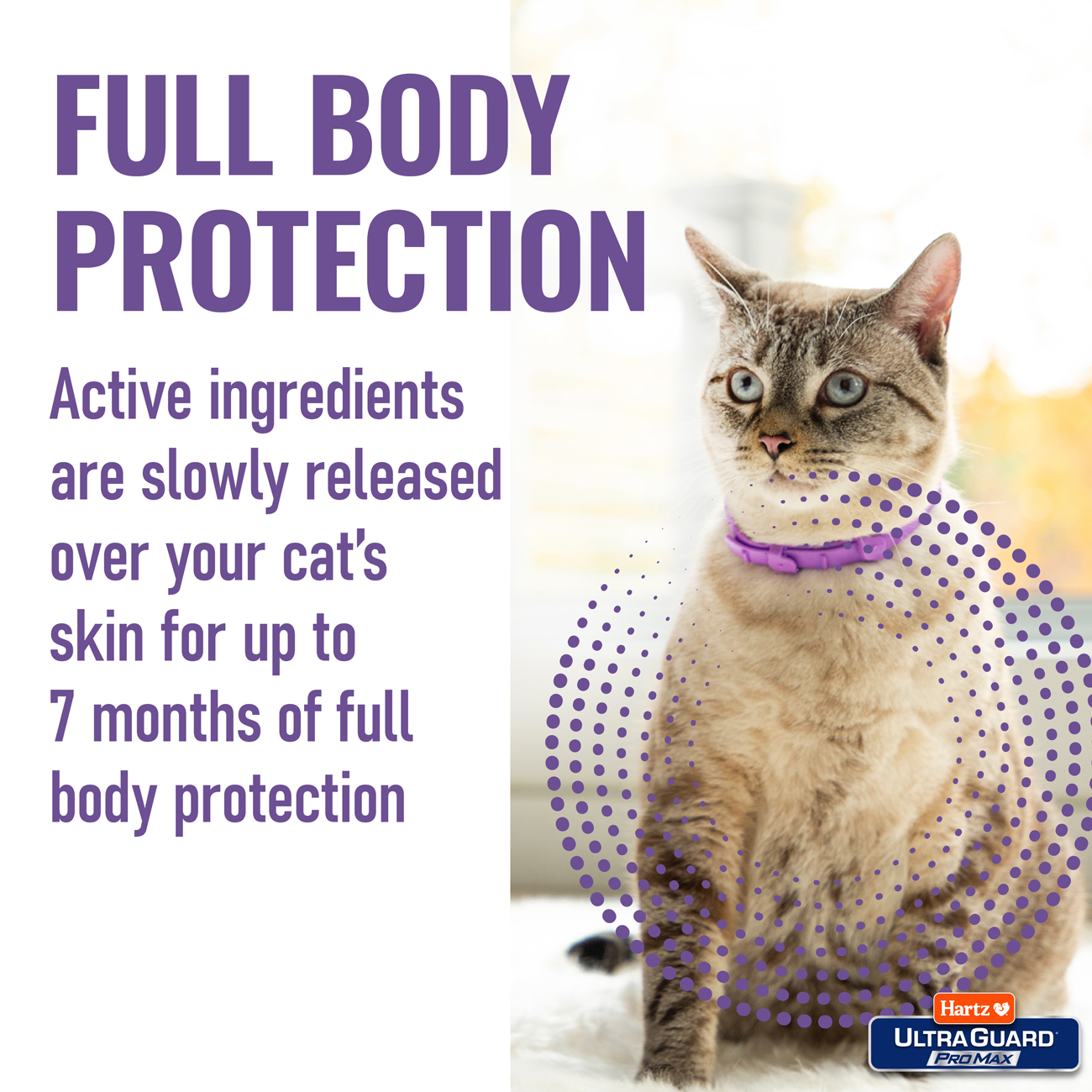
The collar works by spreading active ingredients over the cat’s body. This helps stop fleas from biting and laying eggs.
Active Ingredients In Flea Collars
Flea collars contain different chemicals to fight fleas. Some kill fleas, while others repel them or stop their growth.
- Imidacloprid: Kills adult fleas quickly
- Flumethrin: Repels and kills fleas and ticks
- Permethrin: Kills fleas but is toxic to cats, so not used in cat collars
- Insect Growth Regulators (IGRs): Stop flea eggs from hatching
Mechanism Of Action On Fleas
Active ingredients work by targeting fleas’ nervous systems or growth cycle. This stops fleas from surviving or reproducing.
Some ingredients kill fleas on contact. Others spread over the cat’s fur to protect the whole body from fleas.
- Killing adult fleas stops bites and discomfort
- Repelling fleas keeps them off the cat
- Stopping egg development breaks the flea life cycle
Duration Of Effectiveness
Flea collars work for several weeks to months. The exact time depends on the collar type and ingredients.
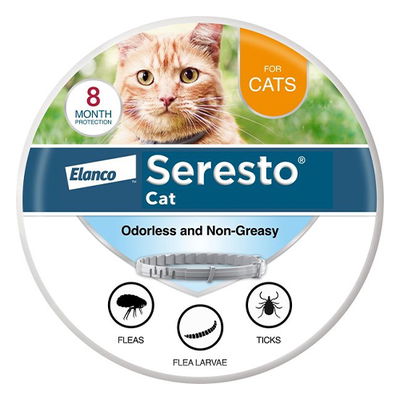
Most flea collars protect cats for 8 to 12 weeks. Some newer collars last up to 6 months.
- Replace collar after the manufacturer’s recommended time
- Check collar fit regularly to keep it effective
- Remove collar if irritation or allergy signs appear
Credit: www.canadapetcare.com
Types Of Flea Collars For Cats
Flea collars help protect cats from fleas and ticks. There are different types of flea collars available. Each type works in its own way to keep your cat safe.
Choosing the right flea collar depends on your cat’s needs. Understanding the types can help you make a good choice.
Chemical-based Collars
Chemical-based collars use insecticides to kill fleas and ticks. These collars release chemicals that spread over your cat’s body. They can protect your cat for several weeks or months.
Some common chemicals in these collars are imidacloprid and flumethrin. These collars work fast and are often very effective. Always follow the instructions to keep your cat safe.
Natural And Herbal Options
Natural flea collars use plant oils and herbs to repel fleas. They do not contain strong chemicals. These collars are good for cats with sensitive skin.
Common ingredients include citronella, eucalyptus, and cedarwood. These collars may not kill fleas but help keep them away. They usually last a shorter time than chemical collars.
Water-resistant Features
Water-resistant flea collars stay effective even when wet. This feature is useful for cats that play outside or get bathed often. The collar keeps working after rain or swimming.
Water-resistant collars use special materials and coatings. They help keep the active ingredients from washing away. Always check if the collar says it is water-resistant before buying.
Effectiveness Of Flea Collars
Flea collars are a popular way to protect cats from fleas. They release chemicals that kill or repel fleas on the cat’s fur.
This article looks at how well flea collars work and what research says about their effectiveness.
Research Findings And Studies
Studies show flea collars can reduce flea infestations on cats. Some collars kill fleas quickly while others prevent new fleas from attaching.
- Collars with insecticides like imidacloprid show strong flea control.
- Some collars release chemicals slowly for long-term protection.
- Effectiveness varies by brand and flea species.
- Research often compares flea collars with other treatments.
Limitations And Challenges
Flea collars do not always protect cats fully. Some cats may react to the chemicals in collars.
| Limitation | Details |
| Skin Irritation | Some cats develop rashes or hair loss |
| Limited Coverage | Fleas may remain on areas not reached by collar |
| Effectiveness Over Time | Collars lose strength after several weeks |
| Resistance | Fleas can become resistant to collar chemicals |
Comparison With Other Flea Treatments
Other flea treatments include topical drops, oral pills, and sprays. Each type has pros and cons compared to flea collars.
- Topical drops act fast and cover the whole body.
- Oral pills kill fleas from inside the cat’s blood.
- Sprays provide quick relief but need frequent use.
- Flea collars offer long-lasting protection but slower action.
Choosing The Right Flea Collar
Flea collars can help protect cats from fleas. Choosing the right one is important for your cat’s safety and comfort.
Consider several factors before buying a flea collar. This guide covers key points to help you decide.
Cat’s Age And Health Considerations
Young kittens and senior cats need special care when using flea collars. Some collars may not be safe for very young or sick cats.
- Check the collar’s label for age recommendations.
- Consult your vet if your cat has health issues.
- Avoid collars with strong chemicals for sensitive cats.
Allergies And Sensitivities
Some cats may have allergic reactions to flea collars. Watch for redness, itching, or hair loss after using a new collar.
| Allergy Type | Possible Signs | Action |
| Skin irritation | Redness, swelling | Remove collar, clean skin |
| Respiratory issues | Coughing, sneezing | Stop use, see vet |
| Behavior change | Restlessness, scratching | Monitor closely |
Brand Reputation And Reviews
Choose flea collars from brands with good reputations. Reading reviews can help you learn about other cat owners’ experiences.
- Look for brands recommended by vets.
- Read reviews on trusted pet websites.
- Avoid brands with many complaints about side effects.
- Check if the brand offers customer support.
Proper Use And Safety Tips
Flea collars can protect cats from pests if used correctly. It is important to follow safety rules to avoid harm.
This guide covers how to fit the collar, watch for side effects, and when to replace or remove it.
Correct Collar Fit And Placement
Put the collar around your cat’s neck so it fits snugly but not tight. You should be able to slip two fingers under the collar.
- Place the collar high on the neck, near the cat’s head.
- Avoid letting the collar hang loose or slide down.
- Trim excess length after fastening the collar.
- Use only collars made for cats, as sizes differ from dogs.
Monitoring For Side Effects
Check your cat daily for any signs of irritation or illness from the collar.
| Sign | What to Do |
| Redness or swelling | Remove collar and clean skin |
| Scratching or biting collar area | Take off collar and watch closely |
| Loss of appetite or lethargy | Contact your vet immediately |
| Dry or flaky skin | Keep area clean and consult vet if it persists |
When To Replace Or Remove The Collar
Replace the flea collar as the product instructions say. Usually, this is every few months.
- Remove the collar if your cat shows bad reactions.
- Replace the collar before it loses effectiveness.
- Take off the collar during baths or if it gets wet often.
- Do not use more than one flea collar at the same time.
Credit: www.hartz.com
Complementary Flea Control Measures
Flea collars can help reduce fleas on cats but are not enough alone. You need other ways to control fleas too.
Using more than one flea control method gives better results. It keeps your cat and home flea-free.
Regular Grooming And Bathing
Brushing your cat often helps remove fleas and their eggs. It also spreads natural oils that keep skin healthy.
Bathing cats with flea shampoo can kill fleas on contact. Use shampoos made for cats and follow instructions carefully.
- Brush your cat weekly or more if needed
- Use flea combs to catch fleas and eggs
- Give baths with flea shampoo sometimes
- Be gentle to avoid stressing your cat
Home And Environment Cleaning
Fleas live in carpets, bedding, and furniture. Cleaning your home stops flea eggs and larvae from growing.
Vacuum floors and furniture often. Wash your cat’s bedding in hot water every week.
- Vacuum carpets, rugs, and floors regularly
- Clean pet bedding and blankets with hot water
- Use flea sprays or powders for the home if needed
- Dispose of vacuum bags or empty canisters outside
Veterinary Flea Prevention Options
Your vet can recommend safe flea control products. These products kill fleas quickly and prevent new ones.
Common options include topical treatments, oral pills, and injections. Follow your vet’s advice for best results.
- Topical flea treatments applied on the skin
- Oral flea pills that kill fleas from inside
- Injections that protect for several months
- Regular vet check-ups to monitor flea control
Frequently Asked Questions
Do Flea Collars Effectively Kill Fleas On Cats?
Yes, many flea collars kill fleas by releasing insecticides. They work best when used as directed and replaced regularly. However, effectiveness varies by brand and cat sensitivity.
Are Flea Collars Safe For All Cats?
Most flea collars are safe for cats, but some contain chemicals that may cause irritation. Always check product labels and consult your vet if unsure.
How Long Do Flea Collars Last On Cats?
Flea collars typically last between 2 to 8 months, depending on the brand. Check the product packaging for specific duration details.
Can Flea Collars Prevent Future Flea Infestations?
Yes, flea collars can help prevent future infestations by repelling fleas before they attach. Regular use is key to maintaining protection.
Conclusion
Flea collars can be effective for cats. They provide a simple solution. They help repel and kill fleas. Always choose a collar suitable for your cat. Some cats may have allergies to certain collars. Monitor your cat for any reactions.
Consult your vet before using a flea collar. Ensure your cat is comfortable with it. Flea prevention is crucial for your cat’s health. A flea-free cat is a happy cat. Keep your furry friend safe and itch-free.