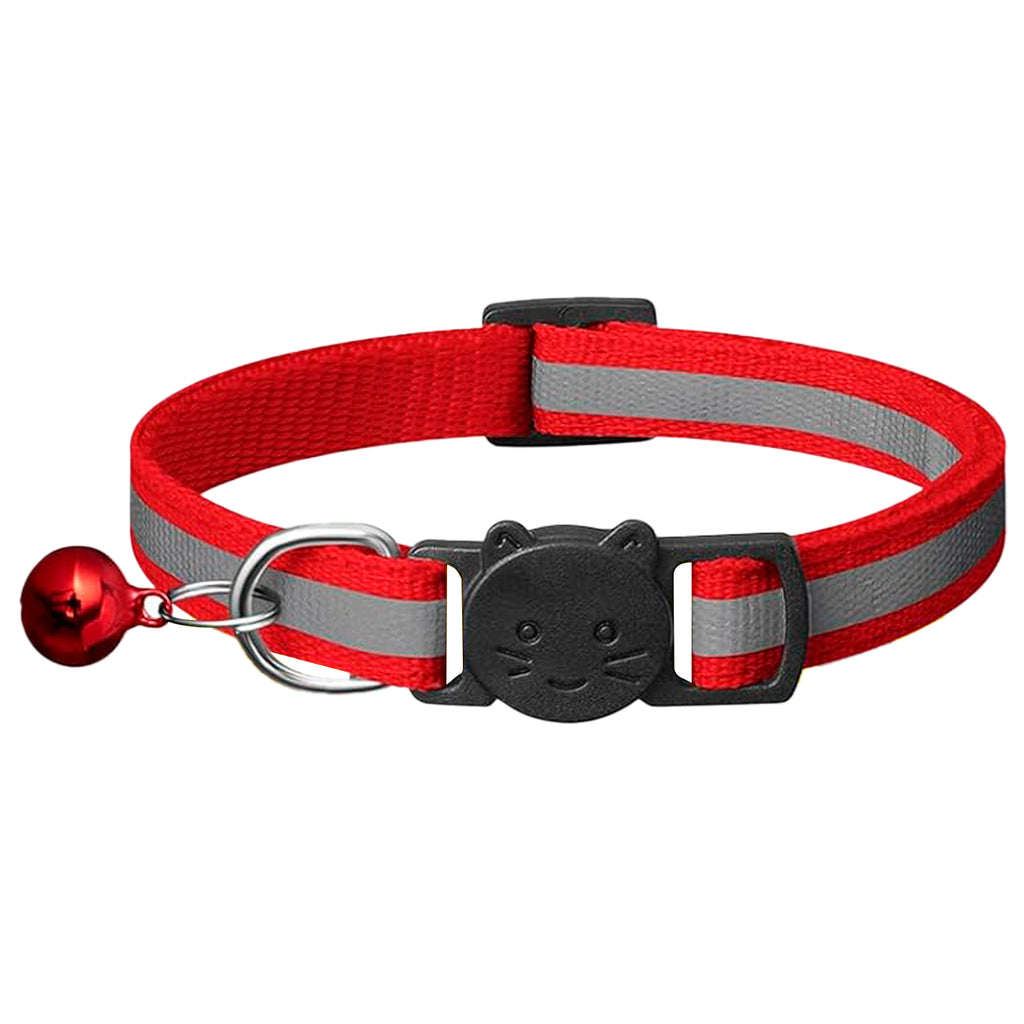
Have you ever wondered if your cat actually likes wearing a collar with a bell? You might think it’s just a cute accessory, but there’s more to it than meets the eye.
Your furry friend’s comfort and happiness could depend on this small detail. You’ll discover what cats really feel about those jingling bells and how it might affect their behavior and well-being. Keep reading—you’ll want to know if that bell is a friend or a foe to your feline companion.
Cats And Collar Bells
Many cat owners wonder if their cats like wearing collars with bells. Bells on collars make noise when cats move. This noise can affect cats in different ways.
Understanding why bells are put on collars and what people believe about them helps owners make good choices for their pets.
Purpose Of Bells On Collars
Bells on collars serve a few main purposes for cats and their owners. They help track the cat’s location. The sound alerts birds and small animals, reducing hunting by cats.
- Help owners find their cats easily
- Warn wildlife to avoid being caught
- Prevent cats from sneaking around silently
- Signal when a cat is nearby inside the house
Common Beliefs About Bells
People have mixed ideas about cats wearing bells. Some believe bells annoy cats. Others think bells keep cats safer. It is important to know what cats actually feel.
| Belief | Explanation |
| Bells Annoy Cats | The constant noise may stress some cats. |
| Bells Protect Wildlife | The bell warns birds and small animals. |
| Bells Help Owners | Owners can hear where their cats are. |
| Cats Ignore Bells | Some cats get used to the sound quickly. |
Cats’ Reactions To Bells
Many cat owners wonder how their pets react to collars with bells. Bells can make sounds that cats notice easily.
Some cats may accept bells, while others show clear reactions. Understanding these helps you decide if a bell collar suits your cat.
Behavioral Changes
Cats may change their behavior after wearing a bell collar. They might act more cautious or curious about the new sound.
- Some cats try to remove the collar or paw at the bell.
- Others may stop stalking or hunting small prey to avoid the sound.
- Some cats may become quieter or move slower to lessen bell noise.
- Cats might also show signs of curiosity, investigating the bell more often.
Stress And Discomfort Signs
Wearing a bell can cause stress for some cats. It is important to watch for signs of discomfort.
| Sign | Description |
| Excessive scratching | Cat tries to remove collar or bell |
| Hiding | Cat avoids interaction or stays in quiet spots |
| Restlessness | Constant pacing or inability to settle down |
| Vocalizing | Increased meowing or yowling |
| Loss of appetite | Refusal to eat or drink |
Benefits Of Bells On Cat Collars
Cat collars with bells offer several advantages for both cats and their owners. Bells add sound that helps track your cat’s movements.
These collars also protect wildlife by warning animals of a cat’s approach. Let’s look at two main benefits.
Protecting Wildlife
Bells on collars give a sound that warns birds and small animals. This reduces the chances of your cat catching them.
- Alerts birds early to fly away
- Helps small animals hide or escape
- Reduces harm to local wildlife populations
- Supports a safer outdoor environment
Locating Your Cat Easily
The bell sound helps you find your cat quickly, especially if it hides or roams outside.
| Situation | How Bells Help |
| Cat hiding indoors | Bell jingles when cat moves |
| Cat outside in garden | Sound guides you to its location |
| Cat at night | Bell noise alerts you to movement |
Potential Drawbacks Of Bells
Many cat owners wonder if bells on collars are good for their pets. Bells can help track cats. Still, some problems come with using them.
This article looks at two main issues: noise sensitivity and safety concerns. These points can help you decide if a bell collar suits your cat.
Noise Sensitivity
Cats have very sharp hearing. Bells can create constant noise that may bother them. Some cats get stressed by the ringing sound.
Continuous noise can make cats hide or avoid movement. It might also affect their sleep or play habits.
- Noise can cause anxiety
- Cats may stop exploring
- It can disturb their rest
Safety Concerns
Bells on collars can sometimes cause safety risks. The bell or collar might get caught on objects. This can injure the cat.
Some bells are loud and may attract predators or scare other animals. Also, collars without safety releases can trap cats.
- Bell or collar may get stuck
- Loud noise can attract danger
- Non-breakaway collars risk choking
Alternatives To Bell Collars
Many cats do not like collars with bells. The sound can bother them or scare birds. There are other ways to keep your cat safe and visible.
These alternatives help protect your cat without using noisy bells. They offer safety and comfort for your pet.
Silent Reflective Collars
Silent reflective collars do not make noise. They have shiny strips that reflect light at night. This makes your cat easy to see.
These collars help drivers and people notice your cat in the dark. They keep your cat safe without disturbing wildlife.
- Quiet and comfortable for cats
- Reflects light for visibility
- Good for night safety
- Available in many colors and sizes
Gps Trackers
GPS trackers attach to your cat’s collar. They help you find your cat if it gets lost. You can check your cat’s location on your phone.
These devices do not make noise. They give you peace of mind and keep your cat safe. Some trackers have extra features like activity monitoring.
- Real-time location tracking
- Silent and lightweight
- Can monitor activity levels
- Requires charging or batteries

Credit: www.birdsbesafe.com
Choosing The Right Collar
Picking the right collar for your cat is important for their comfort and safety. Not all collars suit every cat, so you must choose carefully.
Collars with bells can help protect birds and alert you to your cat’s movements. Let’s look at how to pick one that fits well.
Material And Comfort
Choose collars made from soft materials that do not irritate your cat’s skin. Lightweight fabrics like nylon or soft leather work well.
- Soft nylon collars are durable and gentle on fur.
- Leather collars offer comfort but may need more care.
- Avoid collars with rough edges to prevent scratches.
- Collars with padding reduce pressure on the neck.
- Choose collars that dry quickly if they get wet.
Fit And Safety Features
| Feature | Why It Matters |
|---|---|
| Breakaway Buckle | Lets the collar open if caught to prevent choking. |
| Adjustable Size | Ensures the collar fits snugly but not tight. |
| Bell Size | Small bells do not bother the cat but alert others. |
| Reflective Material | Makes your cat visible in low light. |
| Lightweight Design | Reduces discomfort and allows easy movement. |
Tips For Introducing Collars
Many cats do not like wearing collars at first. Introducing a collar slowly helps them get used to it. Using the right approach makes the process easier.
Collars with bells can be noisy and strange for cats. It is important to help your cat accept the new collar without stress.
Gradual Acclimation
Start by letting your cat see and smell the collar. Do not put it on right away. Let your cat touch and play with it to reduce fear.
After a day or two, place the collar on your cat for a few minutes. Watch how your cat reacts and remove it if there is stress. Slowly increase the time each day.
- Show the collar near your cat’s food or bed
- Let your cat sniff and paw at the collar
- Put the collar on for 5 minutes at first
- Increase collar time by a few minutes daily
- Remove the collar if your cat seems upset
Positive Reinforcement
Use treats and praise to help your cat like the collar. Give rewards when your cat wears the collar calmly. This builds a good connection.
Talk softly and pet your cat while the collar is on. This makes the experience happy and safe. Avoid forcing the collar on your cat.
- Give a treat when the collar is worn
- Praise your cat with a gentle voice
- Pet your cat to show calmness
- Stop if your cat resists or hides
- Repeat daily until your cat accepts the collar

Credit: www.ebay.com

Credit: www.walmart.com
Frequently Asked Questions
Do Cats Feel Uncomfortable With Collars And Bells?
Many cats may initially dislike collars with bells due to unfamiliar sounds. However, they often adapt quickly if the collar fits well and is lightweight. Proper introduction helps reduce discomfort and stress for your cat.
Can Collars With Bells Protect Wildlife From Cats?
Yes, collars with bells can alert birds and small animals to a cat’s presence. This reduces hunting success and helps protect local wildlife, making bell collars a popular choice for outdoor cats.
Are Bells On Collars Harmful To Cats’ Hearing?
Bells are generally safe if they are soft and lightweight. Loud or heavy bells might irritate sensitive cat ears. Choosing a gentle bell ensures your cat’s comfort and protects their hearing.
How Do Collars With Bells Affect Cat Behavior?
Collars with bells can make cats more cautious while stalking prey. Some cats may initially try to remove the collar but usually adjust over time. The bell sound can also help owners locate their cats easily.
Conclusion
Cats and collars with bells can be a tricky mix. Some cats tolerate them. Others might find them annoying. It’s important to observe your cat’s behavior. Ensure they feel comfortable wearing a collar. Pay attention to signs of stress or discomfort.
Every cat is unique. What suits one may not suit another. Always prioritize their happiness and well-being. Consider consulting your vet for advice. They can guide you on what’s best for your cat. Remember, a happy cat makes a happy home.