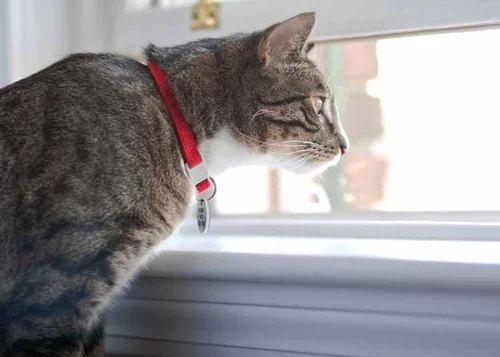
Have you ever wondered if your cat really needs to wear a collar? You want to keep your furry friend safe, but you might worry about comfort or risks.
Choosing whether to put a collar on your cat isn’t just about style—it’s about their safety and your peace of mind. You’ll discover the important reasons behind collars, what to watch out for, and how to pick the best option for your beloved pet.
Keep reading to make the best choice for your cat’s well-being.
Benefits Of Cat Collars
Cat collars can help keep your cat safe and healthy. They serve many important purposes beyond looks.
Choosing the right collar for your cat adds protection and peace of mind for owners.
Identification And Lost Pet Recovery
Collars with ID tags help people identify your cat quickly. This speeds up returning lost pets home.
If your cat wears a collar with your contact details, finders can call you right away.
- Include your phone number on the tag
- Add your cat’s name for friendliness
- Use durable tags that resist wear
Reflective And Safety Features
Reflective collars make cats visible in low light. This helps prevent accidents outside.
Breakaway collars release easily to avoid choking if the collar gets caught on something.
- Choose collars with reflective strips or materials
- Pick breakaway or safety-release collars
- Ensure the collar fits well but is not too tight
Medical And Allergy Alerts
Special collars can show medical or allergy information. This helps vets or helpers act quickly.
If your cat has a health issue, a collar alert can save time in emergencies.
- Use tags that note allergies or medications
- Update medical info regularly
- Make the text clear and easy to read

Credit: catexplorer.co
Types Of Cat Collars
Cat collars come in many types. They help keep cats safe and easy to find. Each collar type has special features to fit different needs.
Choosing the right collar depends on your cat’s habits and your concerns. Here are some popular types of cat collars.
Breakaway Collars
Breakaway collars have a special clasp that opens if the collar gets caught. This helps prevent your cat from choking or getting stuck. They are best for outdoor cats or cats that climb a lot.
Elastic Collars
Elastic collars stretch if your cat pulls on them. They are soft and comfortable. But they do not release completely like breakaway collars. You need to check them often to keep your cat safe.
- Soft and stretchy
- Good for indoor cats
- Needs regular checking
- Does not fully release if caught
Gps And Smart Collars
GPS and smart collars track your cat’s location. They connect to your phone or computer. Some collars also monitor activity and health. These collars can be heavier and need charging.
| Feature | Benefit | Consideration |
| GPS Tracking | Find your cat easily | Needs battery charging |
| Activity Monitor | Check health and exercise | May be expensive |
| Smart Alerts | Receive safety warnings | Requires smartphone |
Potential Risks Of Wearing Collars
Many cat owners wonder if collars are safe for their pets. While collars can have benefits, they also come with risks. It is important to know what problems collars might cause.
This section explains some common dangers cats face when wearing collars. Knowing these risks helps owners make better choices.
Choking Hazards
Collars can cause choking if they get stuck on something. Cats may panic and hurt themselves trying to free their necks. This risk is higher with tight or poorly fitting collars.
Breakaway collars reduce choking dangers. They open quickly under pressure. Still, owners must check collars often for wear or damage.
Skin Irritation And Allergies
Some cats develop skin irritation from collars. Materials like nylon or metal can cause itching or redness. Allergies may also make the problem worse.
Regular cleaning and choosing soft materials help reduce irritation. Make sure the collar fits well and does not rub the skin hard.
Getting Caught Or Trapped
Collars can get caught on branches, fences, or furniture. This traps the cat and can cause injury or panic. Outdoor cats face higher risks of getting stuck.
- Check the environment for places where collars might catch
- Use breakaway collars to prevent trapping
- Supervise cats when outside if possible
Choosing The Right Collar
Choosing the right collar for your cat is important for their comfort and safety. A good collar helps identify your pet and can hold important tags.
Not all collars are the same. You need to think about the material, size, and safety features before buying one.
Material And Fit
The collar material should be soft and lightweight. Cats have sensitive skin, so avoid rough or heavy fabrics. Nylon and soft leather are popular choices.
The fit must be snug but not tight. You should be able to fit two fingers between the collar and your cat’s neck.
- Soft nylon or leather for comfort
- Avoid stiff or heavy materials
- Check that the collar is not too tight or loose
Size And Adjustability
Choose a collar size that matches your cat’s neck. Cats come in different sizes, so measure before buying.
Adjustable collars are best because they grow with your cat. You can loosen or tighten as needed.
- Measure your cat’s neck with a soft tape
- Pick collars with adjustable buckles or sliders
- Make sure it can be resized easily
Safety Features To Look For
Look for collars with safety features like breakaway clasps. These let the collar open if it gets stuck, preventing injury.
Reflective strips or bright colors can help you spot your cat in low light. Also, avoid collars with heavy or sharp parts.
- Breakaway or quick-release clasps
- Reflective or bright colors for visibility
- No heavy or sharp decorations
Introducing Collars To Your Cat
Many cat owners wonder if their pets should wear collars. Collars can help identify your cat and keep them safe. Introducing a collar needs patience and care.
Start slowly so your cat feels comfortable. Watch how your cat reacts and adjust as needed. This guide helps you introduce collars gently.
Gradual Introduction Techniques
Let your cat see and smell the collar before wearing it. Place the collar near their favorite resting spot. This helps your cat get used to the new item.
Try putting the collar on for a short time at first. Keep these sessions brief and reward your cat with treats or pets. Slowly increase the time your cat wears it each day.
- Show the collar for a few days
- Put the collar on for 5-10 minutes
- Give treats during and after wearing
- Increase wearing time gradually
Monitoring Comfort And Behavior
Watch how your cat acts with the collar on. Look for signs of stress like scratching or hiding. Your cat should move and eat normally.
If the collar feels too tight or loose, adjust it. A good fit lets you slip two fingers under the collar. Check the collar daily for comfort and safety.
- Look for scratching or biting at the collar
- Check if the collar slips off or is too tight
- Ensure your cat can move and eat easily
- Remove the collar if your cat seems upset
When To Remove The Collar
Take off the collar if your cat shows signs of pain or irritation. Remove it during playtime if it gets caught on toys. Also, remove the collar if your cat is indoors and has no risk of getting lost.
Regularly check the collar for wear and tear. Replace or remove it if damaged. Your cat’s safety and comfort come first.
- Remove if skin is red or irritated
- Take off during rough play or sleep
- Remove if cat is indoors all the time
- Replace damaged collars promptly

Credit: www.familyhandyman.com
Essential Safety Tips For Cat Owners
Cat collars can help keep pets safe. They show others that a cat has an owner. But collars need care and attention to work well.
Here are some safety tips for cat owners to use collars and identification wisely.
Regular Collar Inspections
Check your cat’s collar often. Look for signs of wear or damage. A broken collar can cause injury or loss of ID tags.
- Make sure the collar fits well—not too tight or loose.
- Look for frayed edges or broken buckles.
- Replace collars that show damage immediately.
- Choose collars with safety features like quick-release buckles.
Keeping Identification Up To Date
Identification tags must have current information. This helps people contact you if your cat is lost.
| Info Needed | Why It Matters |
| Owner’s phone number | Allows quick contact |
| Owner’s address | Helps return cat home |
| Cat’s name | Makes the cat calm when called |
| Medical needs | Informs about special care |
Alternatives To Collars For Identification
Some cats do not like collars or may lose them. Here are other ways to identify your cat safely.
- Microchipping: A small chip under the skin stores owner info.
- GPS Trackers: Devices attached to collars or harnesses track location.
- Tattooing: Permanent ID marks done by a vet.
- Breakaway Harnesses: Safe harnesses with ID tags attached.

Credit: www.reddit.com
Frequently Asked Questions
Should Cats Wear Collars For Identification Purposes?
Yes, collars help identify cats if lost. Including an ID tag with contact info increases chances of safe return.
Are Breakaway Collars Safer For Cats?
Breakaway collars release under pressure, preventing strangulation. They are recommended to ensure cats’ safety while wearing collars.
Can Collars Cause Discomfort Or Harm To Cats?
Ill-fitting collars can cause discomfort or injury. Always choose adjustable, lightweight collars and regularly check for a proper fit.
Do Cats Need Collars If They Are Indoor Pets?
Indoor cats generally don’t need collars. However, collars with ID tags can be useful if they escape outside.
Conclusion
Deciding if cats should wear collars depends on your situation. Consider safety, comfort, and lifestyle. Collars with ID tags help if your cat gets lost. But, ensure the collar fits well and isn’t too tight. Some cats may not like them.
Others might adapt quickly. Monitor your cat’s behavior with the collar. Watch for signs of discomfort or stress. Choosing the right collar can make a difference. Reflect on your cat’s needs. Make an informed decision. Your cat’s safety and comfort are what matter most.