
You’ve probably found yourself wondering, “Do flea collars for cats really work?” As you watch your feline friend incessantly scratch and groom themselves.
If you’re tired of seeing your beloved pet in discomfort, you’re not alone. Fleas are a common nuisance, and finding an effective solution can feel overwhelming. With so many options available, it’s easy to feel uncertain about which product will truly deliver results.
This blog post will uncover the truth about flea collars for cats. Are they a magic solution or just another item to add to the list of failed attempts? By the time you finish reading, you’ll have a clear understanding of whether flea collars are the right choice for your furry companion. Keep reading to discover how you can ensure a pest-free life for your cat and peace of mind for yourself.
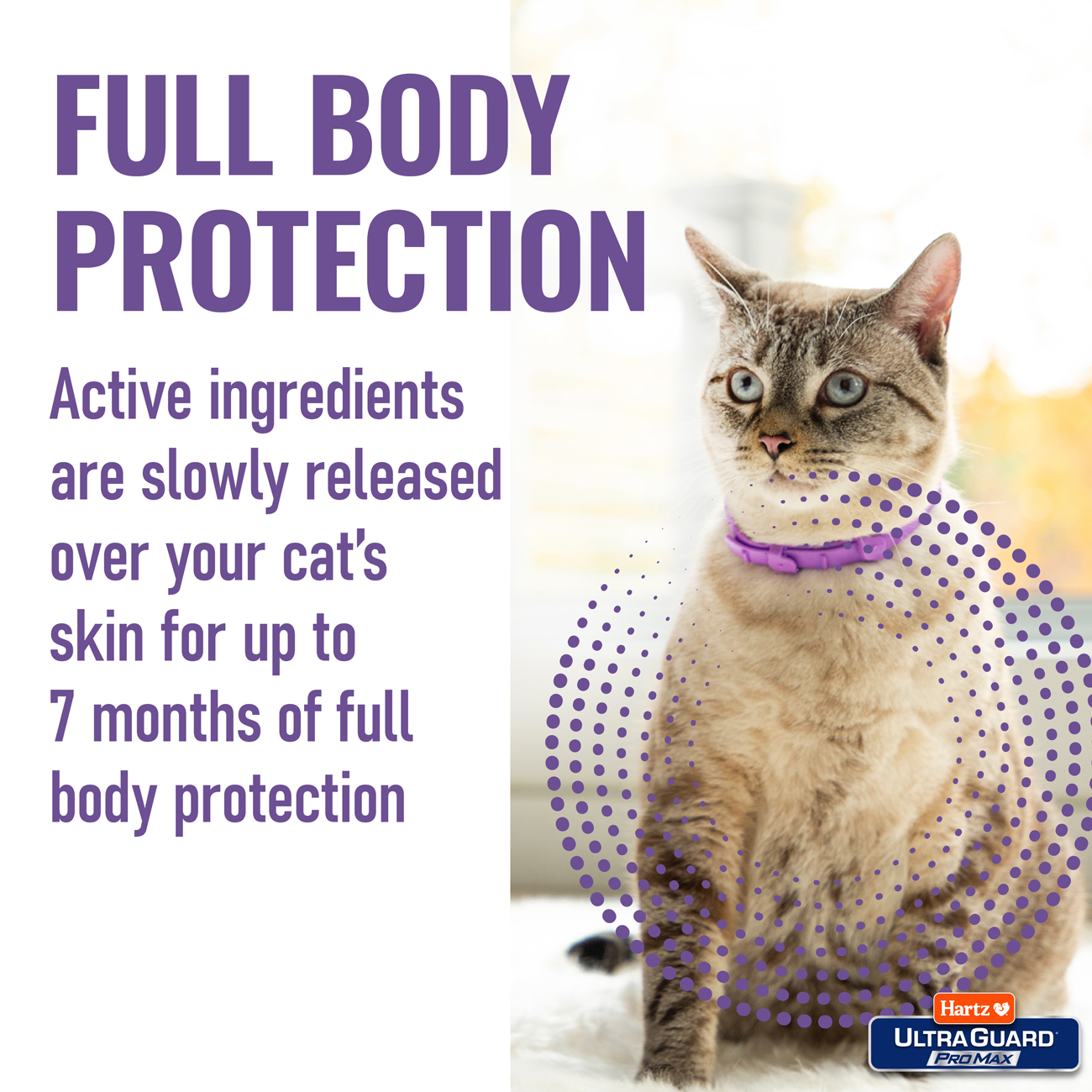
Credit: www.hartz.com
How Flea Collars Work
Flea collars help protect cats from fleas. They release substances that kill or repel fleas.
The collar works by spreading chemicals across the cat’s fur and skin. These chemicals stop fleas from biting and laying eggs.
Types Of Flea Collars
There are several types of flea collars for cats. Each type uses different ways to fight fleas.
- Traditional flea collars with insecticide chemicals
- Natural or herbal flea collars using plant extracts
- Slow-release collars that last for months
- Waterproof collars that work even if wet
Active Ingredients Explained
Active ingredients in flea collars kill or repel fleas. Some ingredients attack the flea’s nervous system.
Other ingredients stop flea eggs from hatching or fleas from growing. Natural collars use oils like citronella or eucalyptus.
- Permethrin: kills fleas by affecting their nerves (not safe for cats)
- Imidacloprid: paralyzes fleas, stopping bites and reproduction
- Flumethrin: repels and kills fleas and ticks
- Essential oils: repel fleas but may be less strong
Mechanism Of Action
Flea collars release chemicals slowly. These spread over the cat’s skin and fur.
The chemicals either kill fleas on contact or stop them from biting. Some prevent flea eggs from developing.
- Contact effect: fleas die when they touch the collar’s chemicals
- Repellent effect: fleas avoid the cat due to smell or taste
- Growth regulator: stops flea eggs and larvae from growing
- Long-lasting effect: protects cat for weeks or months
Effectiveness Of Flea Collars
Flea collars are a common tool to protect cats from fleas. They release chemicals that kill or repel fleas. But many cat owners ask if these collars really work well.
This article looks at research, user experiences, and how flea collars compare to other treatments.
Research Findings
Studies show flea collars can reduce flea numbers on cats. The collars release insecticides slowly over weeks or months. Some collars also protect against ticks.
- Effectiveness varies by brand and active ingredient
- Some collars kill fleas on contact
- Others repel fleas to prevent bites
- Proper fit is important for best results
- Environmental flea control increases success
User Experiences
Many cat owners find flea collars helpful. Some report fewer flea problems after use. Others say collars worked only partly or not at all.
| User Feedback | Details |
| Positive | Reduced fleas within days, long-lasting protection |
| Neutral | Some improvement but fleas still present |
| Negative | Collar caused irritation or no effect on fleas |
Comparison With Other Treatments
Flea collars differ from other flea treatments like spot-on drops or oral pills. Each method has pros and cons.
- Spot-on treatments act faster but need monthly repeats
- Oral medications kill fleas quickly but some cats dislike pills
- Flea collars provide constant low-dose protection
- Collars are easy to use but may not work alone
- Combining treatments can improve flea control
Benefits Of Using Flea Collars
Flea collars help protect cats from fleas and ticks. They release chemicals that kill or repel pests. Many cat owners find flea collars useful for keeping their pets safe.
This article explains the main benefits of using flea collars. Knowing these can help you decide if a flea collar suits your cat.
Convenience And Ease Of Use
Flea collars are easy to put on your cat. You just fasten the collar around the neck. This takes only a few seconds and does not stress the cat.
Once the collar is on, it works continuously. You do not need to apply anything else daily. This makes flea collars very convenient for busy pet owners.
Long-lasting Protection
Many flea collars offer protection that lasts for weeks or months. This helps keep fleas away for a long time. You do not need to replace the collar often.
Long-lasting protection means fewer treatments are needed. This reduces the chance of missing a dose and lets your cat stay comfortable.
Cost Considerations
Flea collars are often more affordable than other flea treatments. They provide protection at a lower price over time. This can save money for pet owners.
Using a flea collar can reduce the need for extra products. This also helps cut down on overall flea control costs.
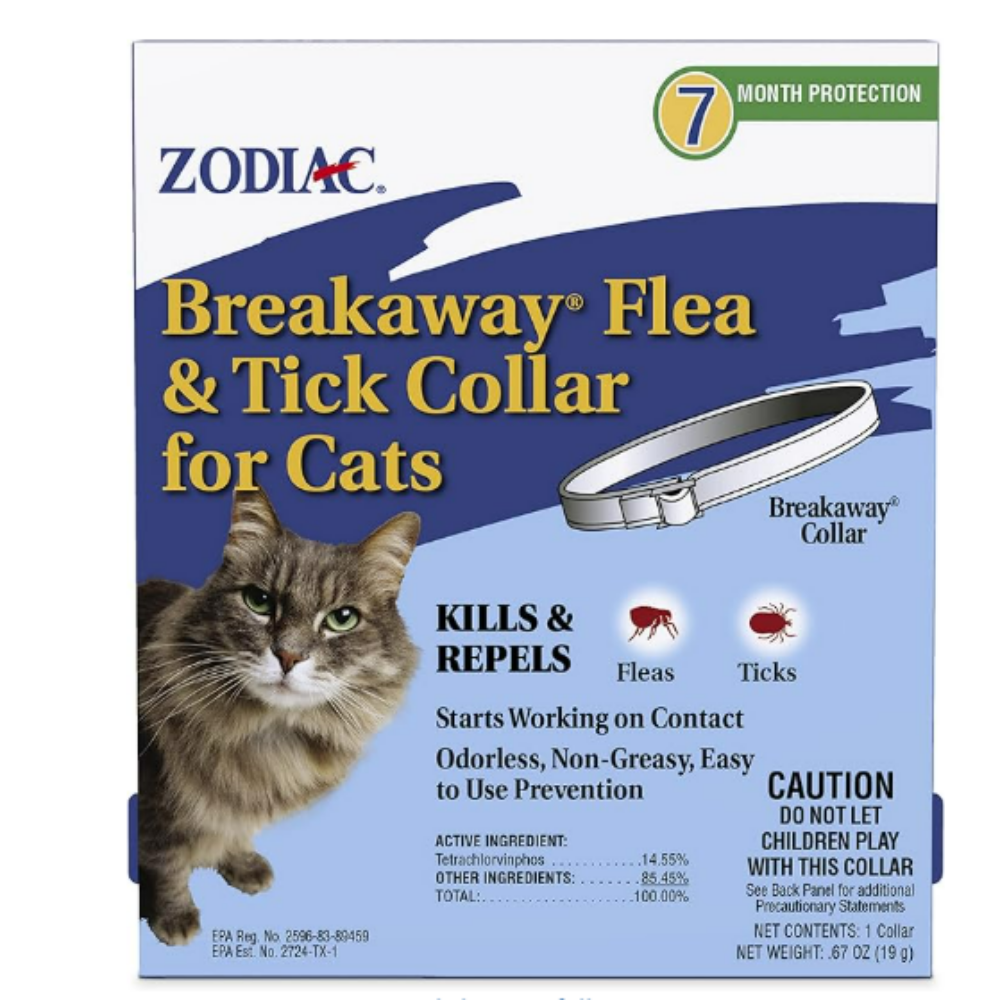
Credit: www.petsradar.com
Potential Risks And Side Effects
Flea collars for cats can help control fleas, but they may cause risks. It is important to know the possible side effects before use.
Some cats may react differently to flea collars. Owners should watch their pets closely after putting on a collar.
Common Reactions In Cats
Cats may show these common reactions from flea collars:
- Skin irritation or redness around the neck
- Excessive scratching or licking the collar area
- Hair loss near the collar
- Unusual behavior such as restlessness or hiding
- Vomiting or drooling in rare cases
Safety Precautions
Follow these safety steps to reduce risks when using flea collars:
- Choose collars made for cats, not dogs
- Check the collar fits loosely to avoid choking
- Do not leave the collar on if irritation occurs
- Keep collars away from young kittens and pregnant cats
- Read and follow all product instructions carefully
When To Consult A Vet
See a vet if your cat shows these signs after wearing a flea collar:
| Signs | Why to Consult a Vet |
|---|---|
| Severe redness or swelling | May indicate an allergic reaction |
| Continuous vomiting or diarrhea | Could signal poisoning or illness |
| Difficulty breathing | Urgent medical emergency |
| Loss of appetite or lethargy | Possible side effect or infection |
Alternatives To Flea Collars
Flea collars for cats may not always work well. Some cats can have bad reactions to them. There are other ways to fight fleas that can be safer and more effective.
These alternatives help protect your cat from fleas without relying only on collars. Learn about topical treatments, oral medicines, and ways to control fleas in your home.
Topical Treatments
Topical treatments are liquids you put on your cat’s skin. They kill fleas and stop new ones from growing. You apply the drops on the back of the neck to keep cats from licking it.
These treatments last for weeks and can be water-resistant. They often work faster than flea collars and treat fleas and ticks.
- Easy to apply
- Works quickly
- Lasts for several weeks
- Water-resistant
- Stops flea eggs from hatching
Oral Medications
Oral medications are pills or chewables that cats eat. They kill fleas by affecting the insects’ nervous system. Some work within hours and last a month.
This method is good for cats that do not like topical drops or collars. Always follow your vet’s instructions for dosage and safety.
- Fast-acting flea control
- Monthly or shorter dose options
- Easy to give to some cats
- Safe when used correctly
Environmental Control
Fleas live in carpets, bedding, and furniture. Cleaning your home helps stop flea problems. Vacuum often and wash your cat’s bedding in hot water.
You can use sprays or powders made for your home to kill flea eggs and larvae. This keeps fleas from coming back after you treat your cat.
- Vacuum carpets and floors regularly
- Wash pet bedding weekly
- Use home flea sprays or powders
- Keep your yard clean and dry
Choosing The Right Flea Collar
Flea collars can protect cats from fleas and ticks. Picking the right collar helps keep your cat safe and comfortable.
This guide covers what to think about, good brands, and how to use flea collars correctly.
Factors To Consider
Not all flea collars work the same. Check these points before buying one for your cat.
- Cat’s age and weight
- Allergies or skin sensitivity
- Active ingredients in the collar
- How long the collar lasts
- Water resistance for outdoor cats
Brand Recommendations
| Brand | Key Features | Suitable For |
| Seresto | Long-lasting, water resistant | Indoor and outdoor cats |
| Adams | Effective against fleas and ticks | Short term use |
| Vet’s Best | Natural ingredients, gentle on skin | Allergy-prone cats |
Proper Usage Tips
Using flea collars the right way ensures they work well and keep your cat safe.
- Check the collar fits snugly but is not too tight.
- Remove the old collar before putting on a new one.
- Follow the instructions on the packaging carefully.
- Watch your cat for any signs of irritation.
- Replace the collar after the recommended time expires.

Credit: www.hartz.com
Frequently Asked Questions
Do Flea Collars Effectively Prevent Fleas On Cats?
Flea collars can help prevent and kill fleas if used correctly. They release insecticides that repel or kill fleas. However, effectiveness varies by brand and collar type. Regular use and proper fit improve results. Always choose collars designed specifically for cats.
Are Flea Collars Safe For All Cats?
Most flea collars are safe when used as directed. Some cats may experience allergic reactions or skin irritation. Avoid collars with harsh chemicals for kittens, pregnant, or sick cats. Consult a vet before use. Monitor your cat closely after applying a new collar.
How Long Do Flea Collars Last On Cats?
Flea collars typically last between 6 to 8 months. Some brands may offer shorter or longer protection periods. Check the product label for exact duration. Replace the collar promptly after expiration to maintain flea protection.
Can Flea Collars Kill Flea Eggs And Larvae?
Many flea collars kill adult fleas but may not fully eliminate eggs or larvae. Additional treatments like shampoos or sprays might be necessary. Combining methods helps break the flea life cycle for thorough control.
Conclusion
Flea collars can help reduce fleas on cats but are not always enough. Some collars work better than others, so choose carefully. Regular cleaning and grooming also keep fleas away. Watch your cat closely for any skin problems or discomfort.
Combining flea collars with other treatments often gives the best results. Keep your cat safe and comfortable by staying consistent with flea control. Small efforts make a big difference in keeping your cat flea-free.