As a cat owner, you want nothing but the best for your furry friend. Keeping them safe and healthy is a top priority, and flea collars often seem like an easy solution to pesky flea problems.
But have you ever wondered if these collars could actually be making your cat sick? The safety of your beloved pet is paramount, and understanding the potential risks associated with flea collars is crucial. We’ll delve into the truth behind flea collars and their impact on your cat’s health.
Could something meant to protect your cat be doing more harm than good? Read on to discover the facts and ensure you’re making the best choices for your feline companion’s wellbeing.
How Flea Collars Work
Flea collars help protect cats from fleas. They slowly release chemicals that kill or repel these pests. Understanding how they work can help you choose the right collar.
These collars come in different types and contain various active ingredients. Each works in a specific way to fight fleas and keep your cat comfortable.
Types Of Flea Collars
There are several types of flea collars for cats. Each offers unique protection and duration of effectiveness.
- Traditional collars with insecticides
- Collars with insect growth regulators (IGRs)
- Natural or herbal flea collars
- Combination collars with multiple active ingredients
Active Ingredients
| Ingredient | Function | Common Use |
|---|---|---|
| Permethrin | Kills adult fleas and ticks | Traditional collars |
| Imidacloprid | Targets adult fleas | Combination collars |
| Pyriproxyfen | Stops flea eggs from hatching | IGR collars |
| Essential oils | Repel fleas naturally | Natural collars |
Mechanism Of Action
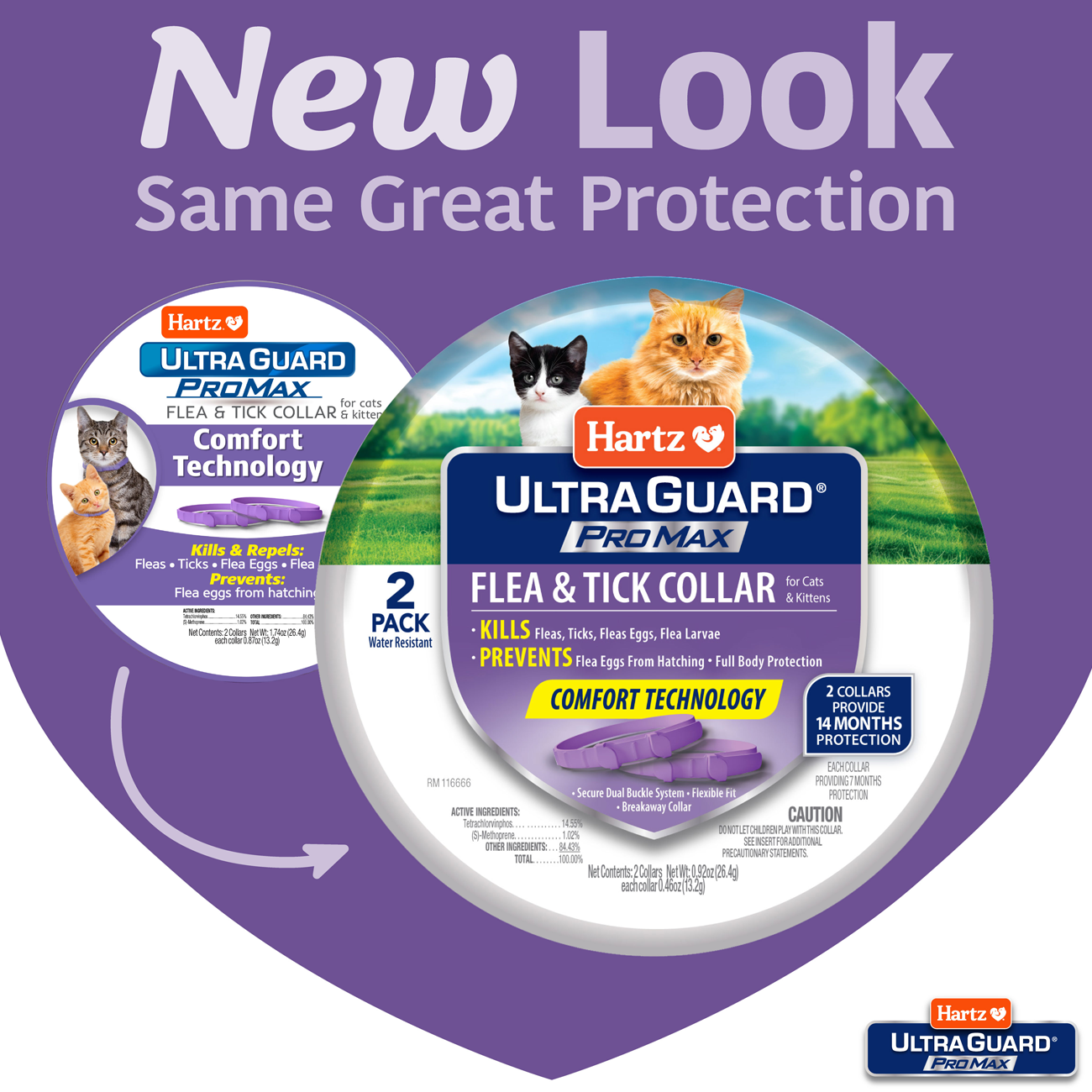
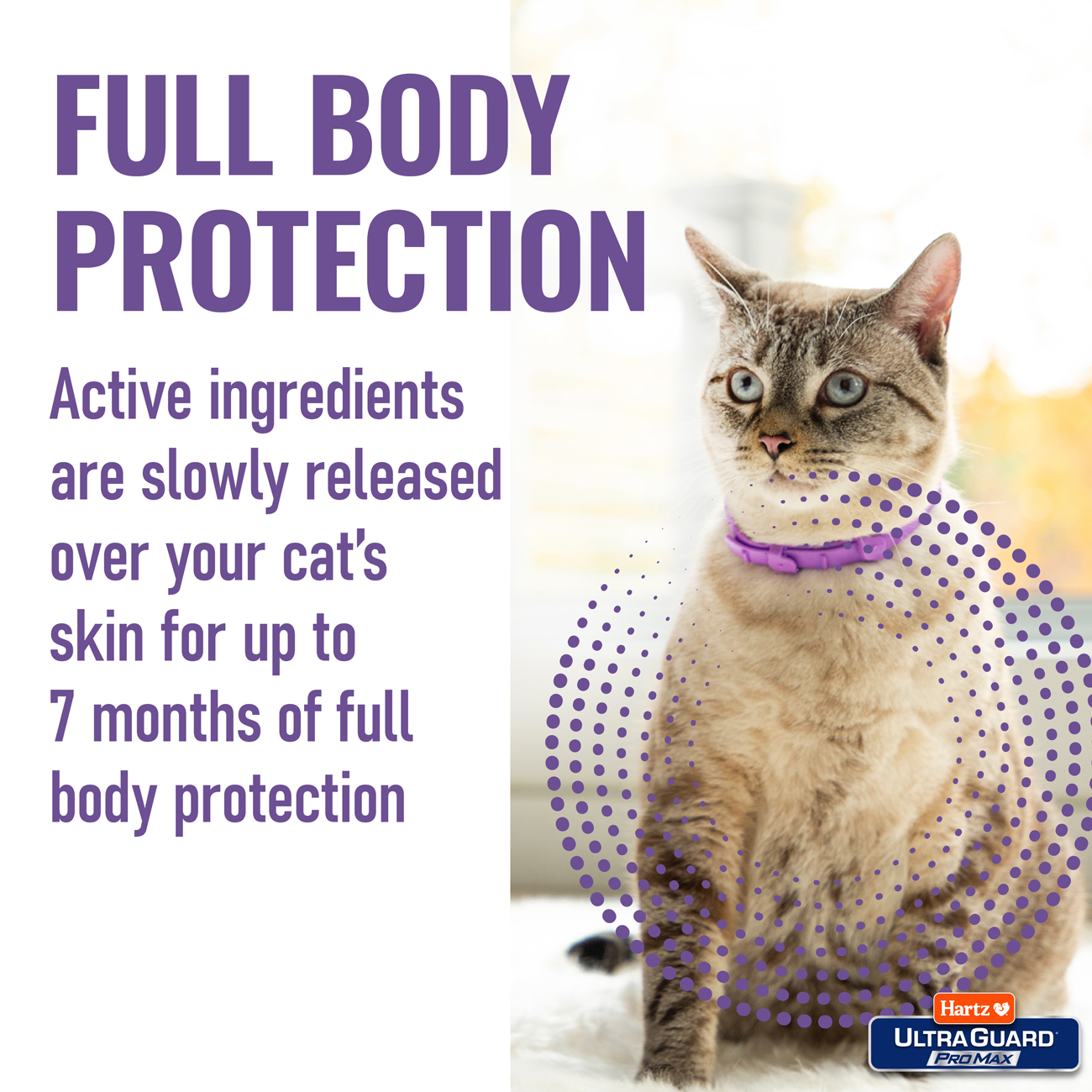
Flea collars work by slowly releasing chemicals onto the cat’s fur. These chemicals spread over the skin and hair.
- The active ingredients kill fleas by affecting their nervous system.
- Some ingredients prevent flea eggs and larvae from growing.
- Natural oils repel fleas without chemicals.
- The collar keeps working for weeks or months.
Credit: www.hartz.com
Common Side Effects In Cats
Flea collars help protect cats from fleas and ticks. Some cats may have side effects from wearing them. It is important to watch for any unusual signs.
This guide explains common side effects cats might have from flea collars. Knowing these can help you keep your pet safe.
Skin Irritation
Skin irritation is the most common side effect of flea collars. The chemicals in the collar can cause redness or itching on your cat’s neck.
You may notice your cat scratching or licking the area where the collar touches. In some cases, the skin may become swollen or develop sores.
- Redness or rash around the neck
- Hair loss at collar site
- Excessive scratching or grooming
- Swelling or scabs
Respiratory Issues
Some cats may develop breathing problems from flea collars. The collar’s chemicals can irritate their nose or throat.
Signs include coughing, sneezing, or difficulty breathing. These symptoms need quick attention from a vet.
- Coughing or gagging
- Sneezing more than usual
- Wheezing or noisy breathing
- Rapid or labored breaths
Behavioral Changes
Flea collars can cause some cats to act differently. They may seem restless or hide more often than usual.
Other changes include loss of appetite or unusual aggression. Watch your cat closely for any strange behavior.
- Restlessness or pacing
- Hiding or avoiding people
- Loss of appetite
- Unexplained aggression
Serious Health Risks
Flea collars can cause health problems for cats. These collars release chemicals to kill fleas.
Sometimes, these chemicals harm cats instead of helping them. It is important to know the risks.
Toxicity Symptoms
Toxic chemicals in flea collars can poison cats. Signs of poisoning can appear soon after use.
Common symptoms include drooling, vomiting, and shaking. These signs show the cat is in distress.
- Excessive drooling or foaming at the mouth
- Vomiting or diarrhea
- Tremors or seizures
- Weakness or difficulty walking
- Rapid breathing or panting
Allergic Reactions
Cats can be allergic to chemicals in flea collars. Allergies cause skin and breathing problems.
Look for redness, itching, or swelling around the neck. Some cats may cough or wheeze after use.
- Red, irritated skin where the collar touches
- Continuous scratching or biting at the neck
- Swelling or bumps on the skin
- Difficulty breathing or coughing
- Watery or red eyes
Long-term Effects
Long exposure to flea collar chemicals may cause serious health issues. These effects take time to appear.
Some cats may develop nerve damage or liver problems. Regular use can weaken their immune system.
- Chronic skin irritation or hair loss
- Nerve damage leading to weakness or tremors
- Liver or kidney damage from chemical buildup
- Lowered immune system function
- Behavior changes like lethargy or aggression
Credit: www.hartz.com
Factors Increasing Risk
Flea collars can sometimes cause sickness in cats. Some factors raise the chance of this happening. Knowing these helps keep cats safe.
This section explains key risks related to flea collars. Age, health, use, and breed play important roles.
Age And Health Condition
Young kittens and older cats have weaker systems. Sick or injured cats also react poorly to flea collars. Their bodies may not handle the chemicals well.
- Kittens under 12 weeks may get sick faster.
- Senior cats often have sensitive skin or organs.
- Cats with liver or kidney issues risk higher toxicity.
- Ill cats may show side effects even with low exposure.
Improper Use
Using flea collars the wrong way can harm cats. Incorrect size, worn too long, or damaged collars increase risk. Some collars have strong chemicals not safe for all cats.
| Improper Use | Risk Effect |
| Too tight collar | Skin irritation and breathing issues |
| Old or broken collar | Uneven chemical release, causing poisoning |
| Using dog flea collar on cats | Higher chance of toxicity |
| Not removing collar after recommended time | Overexposure to chemicals |
Breed Sensitivities
Some cat breeds react more to flea collar chemicals. These breeds have delicate skin or different metabolism. Owners should check breed-specific risks before use.
Breeds known for sensitivity:
- Persian cats
- Siamese cats
- Bengal cats
- Ragdoll cats
If your cat belongs to these breeds, consult a vet before using flea collars.
Safer Alternatives
Flea collars can sometimes cause health problems for cats. There are safer ways to keep fleas away. These options protect your cat without harsh chemicals.
Below are some safer alternatives to flea collars. They focus on natural and gentle methods to protect your cat.
Natural Flea Treatments
Natural flea treatments use ingredients safe for cats. These include herbal sprays and powders that repel fleas without chemicals.
- Use neem oil sprays on your cat’s fur.
- Apply diatomaceous earth powder in bedding areas.
- Try lavender or eucalyptus-based flea repellents.
- Give your cat regular baths with mild, flea-repelling shampoos.
Oral And Topical Options
Oral and topical flea treatments work well and are safer than some collars. They target fleas on your cat’s skin and bloodstream.
| Type | How It Works | Frequency |
| Oral Medications | Kills fleas from inside | Monthly |
| Topical Drops | Applied to skin, repels and kills fleas | Monthly |
| Spot-on Treatments | Targets fleas at application site | Monthly |
Environmental Control
Cleaning your home can stop fleas from returning. Treat your cat’s environment to remove flea eggs and larvae.
Effective environmental control includes:
- Vacuum carpets, floors, and furniture often.
- Wash your cat’s bedding weekly in hot water.
- Use flea sprays or powders designed for your home.
- Keep your yard clean and free of debris.
When To Seek Veterinary Help
Flea collars can protect cats from fleas but may sometimes cause problems. It is important to know when to get help from a vet.
Recognizing signs early can keep your cat safe. Learn what to watch for and what to do if your cat feels sick.
Recognizing Warning Signs
Watch your cat closely after putting on a flea collar. Some signs show the collar may be hurting your cat.
Signs include redness, swelling, or hair loss around the collar area. Your cat may also scratch or bite the collar.
- Red or irritated skin
- Hair loss near the collar
- Excessive scratching or biting
- Vomiting or diarrhea
- Difficulty breathing or coughing
- Lethargy or weakness
Emergency Measures
If your cat shows any warning signs, remove the flea collar immediately. This can stop further harm.
Clean the affected area gently with mild soap and water. Keep your cat calm and watch for worsening symptoms.
- Remove the flea collar right away
- Clean irritated skin softly
- Keep your cat in a quiet space
- Call your veterinarian if symptoms worsen
- Do not give any medicine without vet advice
Preventive Steps
To avoid problems, choose the right flea collar size and type for your cat. Follow all instructions on the package.
Check your cat’s skin regularly while using the collar. Remove the collar if you see any irritation or discomfort.
- Pick a collar made for cats
- Use the correct size and fit
- Check skin under the collar weekly
- Remove collar if skin looks red or sore
- Talk to your vet before using new flea products
Tips For Choosing Flea Collars
Flea collars can help protect your cat from fleas. Picking the right collar is important for your cat’s safety. Some flea collars may cause sickness if not chosen carefully.
Here are some tips to help you pick a safe and effective flea collar for your cat.
Reading Labels Carefully
Always read the label on the flea collar before buying. Check the ingredients to see if they are safe for cats. Some collars have chemicals that might harm your pet.
Look for information about how long the collar works and if it is water-resistant. Make sure the collar fits your cat’s size and age.
- Check active ingredients for cat safety
- Look for age and weight recommendations
- Note how long the collar lasts
- See if the collar is water-resistant
Consulting Your Vet
Your veterinarian knows your cat’s health best. Ask your vet if a flea collar is safe for your cat. Tell them about any allergies or health problems your cat has.
The vet can recommend the best flea collar brand and type. They may suggest other flea treatments if collars are not safe for your cat.
- Tell the vet about your cat’s health
- Ask for safe flea collar options
- Follow your vet’s advice closely
Monitoring Your Cat
After putting on a flea collar, watch your cat closely. Look for signs of sickness like vomiting, drooling, or scratching. Some cats may have skin reactions or show unusual behavior.
If you see any problems, remove the collar right away. Contact your vet if your cat seems sick or uncomfortable.
- Watch for vomiting or drooling
- Check for skin irritation
- Note any changes in behavior
- Remove collar if problems appear
- See your vet if your cat is sick
Credit: vettoday.com
Frequently Asked Questions
Can Flea Collars Cause Allergic Reactions In Cats?
Yes, flea collars can trigger allergic reactions in some cats. Symptoms include itching, redness, or swelling. Always monitor your cat after applying a collar and consult a vet if unusual signs appear.
How To Know If A Flea Collar Is Harming My Cat?
Look for signs like excessive scratching, hair loss, or skin irritation near the collar. Behavioral changes like lethargy can also indicate harm. Remove the collar and seek veterinary advice immediately if these symptoms occur.
Are Natural Flea Collars Safer For Cats?
Natural flea collars are generally safer but may not be as effective. They use herbal ingredients to repel fleas and reduce chemical exposure. Always verify product safety and effectiveness before use.
Can Flea Collars Cause Poisoning In Cats?
Yes, flea collars contain chemicals that can be toxic if ingested or absorbed excessively. Symptoms include drooling, vomiting, or seizures. Keep collars out of reach of cats’ mouths and consult a vet if poisoning is suspected.
Conclusion
Flea collars can sometimes cause problems for cats. Watch your pet closely after putting on a collar. Signs like itching, redness, or tiredness need quick attention. Choose collars made for cats and follow instructions carefully. Talk to a vet if you notice any issues.
Safe flea control keeps your cat healthy and happy. Remember, prevention works best with careful care and good products. Your cat’s comfort matters most.