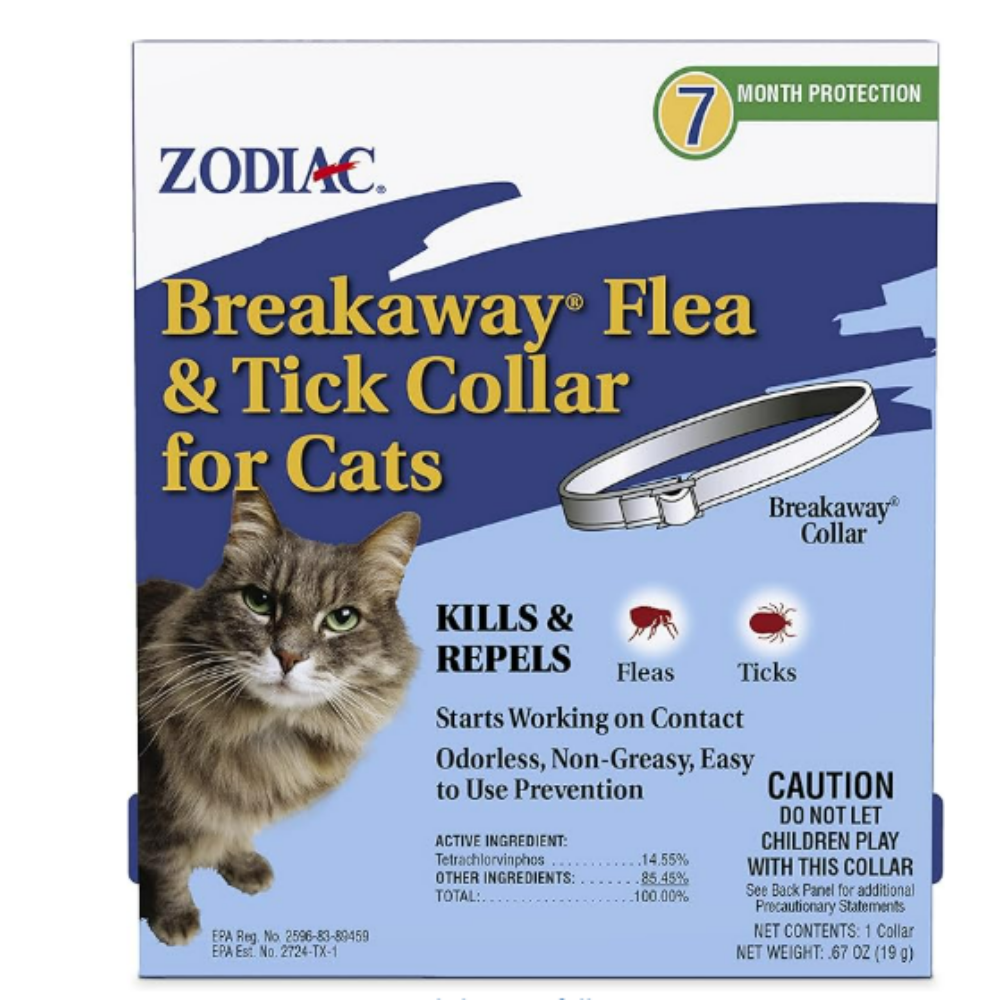
Are you tired of seeing your beloved feline scratching endlessly? Fleas can be a relentless nuisance, not just for your cat, but for you as well.
The buzzing question you might be asking yourself is: “Do flea collars really work for cats? ” This tiny accessory promises to keep your kitty flea-free, but can a simple collar truly safeguard against these pesky invaders? Before you invest your time and money, let’s dive into the truth behind flea collars.
We’ll explore how they work, their effectiveness, and whether they’re the right choice for your furry friend. Stick around, and discover the secrets to keeping your cat happy, healthy, and flea-free!
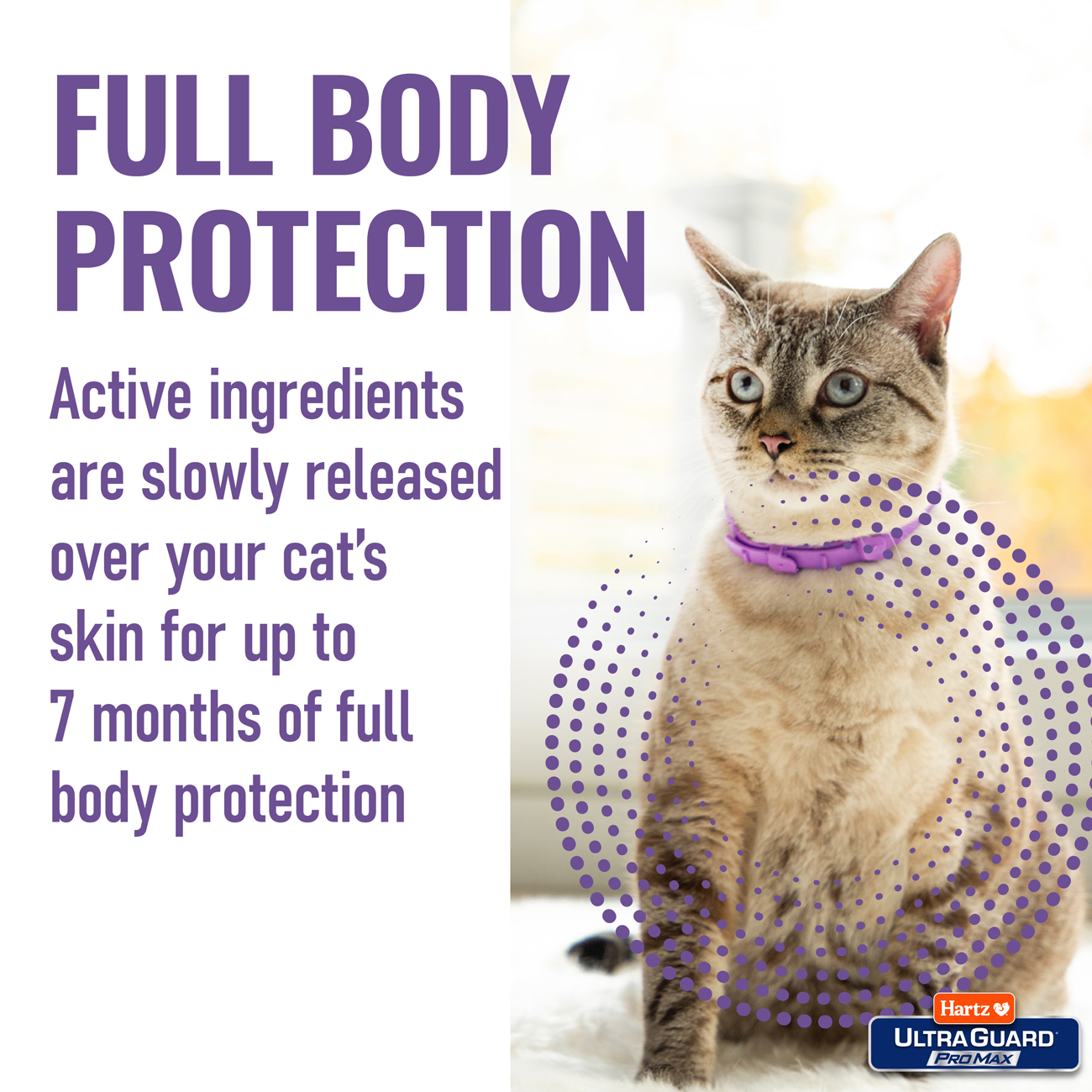
Credit: www.hartz.com
How Flea Collars Work
Flea collars are a common way to protect cats from fleas. They slowly release chemicals that kill or repel fleas. This helps keep your cat comfortable and free from itchy bites.
Understanding how these collars work helps you choose the right one for your cat. The effectiveness depends on the type of collar and its active ingredients.
Types Of Flea Collars
There are several types of flea collars for cats. Each uses different methods to protect your pet. Some collars kill fleas, while others repel them.
- Insecticide Collars:These collars release chemicals that kill fleas on contact.
- Repellent Collars:They emit scents or substances that fleas dislike and avoid.
- Combination Collars:These offer both killing and repelling effects.
- Natural Ingredient Collars:Use herbal oils to repel fleas without harsh chemicals.
Active Ingredients Explained
| Ingredient | Function | Common in |
| Imidacloprid | Kills fleas by attacking their nervous system | Insecticide collars |
| Flumethrin | Repels and kills ticks and fleas | Combination collars |
| Permethrin | Kills insects but toxic to cats if ingested | Some insecticide collars (use caution) |
| Essential oils (e.g., citronella) | Repels fleas naturally | Natural ingredient collars |
Mechanism Of Action
Flea collars work by slowly releasing active ingredients into the cat’s fur and skin. These substances spread over the cat’s body to protect it from fleas.
- The collar releases chemicals either through evaporation or contact.
- The chemicals spread across the fur and skin, reaching places fleas hide.
- The active ingredients attack fleas’ nervous systems or repel them.
- This kills fleas or stops them from biting and laying eggs.
- Some collars keep working for several weeks to months.
Effectiveness For Cats
Flea collars are a popular option to protect cats from fleas. Their effectiveness depends on several factors. Understanding these helps in choosing the right flea control method.
This article looks at flea prevention versus treatment, how long flea collars protect cats, and the limits of their use.
Flea Prevention Vs. Treatment
Flea collars mainly work to prevent flea infestations by repelling or killing fleas before they bite. Some collars also treat existing fleas on cats.
- Prevention collars stop fleas from settling on cats.
- Treatment collars kill fleas already on the cat.
- Prevention works best when used before fleas appear.
- Treatment is needed if the cat already has fleas.
Duration Of Protection
Most flea collars provide protection for weeks or months. The duration depends on the collar brand and active ingredients.
| Type of Collar | Protection Length |
| Standard flea collar | Up to 4 weeks |
| Advanced flea collar | Up to 8 months |
| Natural ingredient collar | 2 to 6 weeks |
Limitations And Challenges
Flea collars have limits that affect how well they work on cats. Cats may not wear collars well or might lose them.
- Some cats react to collar ingredients with skin irritation.
- Collars may not kill all fleas or their eggs.
- Water or dirt can reduce collar effectiveness.
- Collars work best with other flea control methods.
Safety Concerns
Flea collars are popular for controlling fleas on cats. Many cat owners wonder if these collars are safe to use. It is important to know the risks and how to use them correctly.
This article explains common side effects, toxicity risks, and proper usage guidelines. Understanding these points helps keep your cat safe and healthy.
Common Side Effects
Some cats may experience mild side effects from flea collars. These effects often happen shortly after putting on the collar.
Side effects usually include skin irritation and hair loss around the neck. Cats might scratch or bite the collar area more than usual.
- Redness or swelling on the neck
- Dry or flaky skin
- Increased scratching or grooming
- Hair thinning near the collar
Toxicity Risks
Flea collars contain chemicals to kill fleas. Some chemicals can be harmful if a cat ingests or absorbs too much of them.
Young kittens, sick cats, and cats with sensitive skin face higher risks. Signs of toxicity include vomiting, weakness, and drooling.
- Vomiting or diarrhea
- Excessive drooling
- Weakness or unsteady walking
- Seizures in severe cases
Proper Usage Guidelines
Use flea collars as directed on the package. Make sure the collar fits properly—not too tight or too loose.
Check your cat’s skin often. Remove the collar if you see irritation or if your cat shows signs of illness.
- Choose the right collar size for your cat
- Follow the recommended replacement schedule
- Avoid using flea collars on kittens under the recommended age
- Consult a vet before use if your cat is sick or pregnant
- Watch your cat for side effects regularly
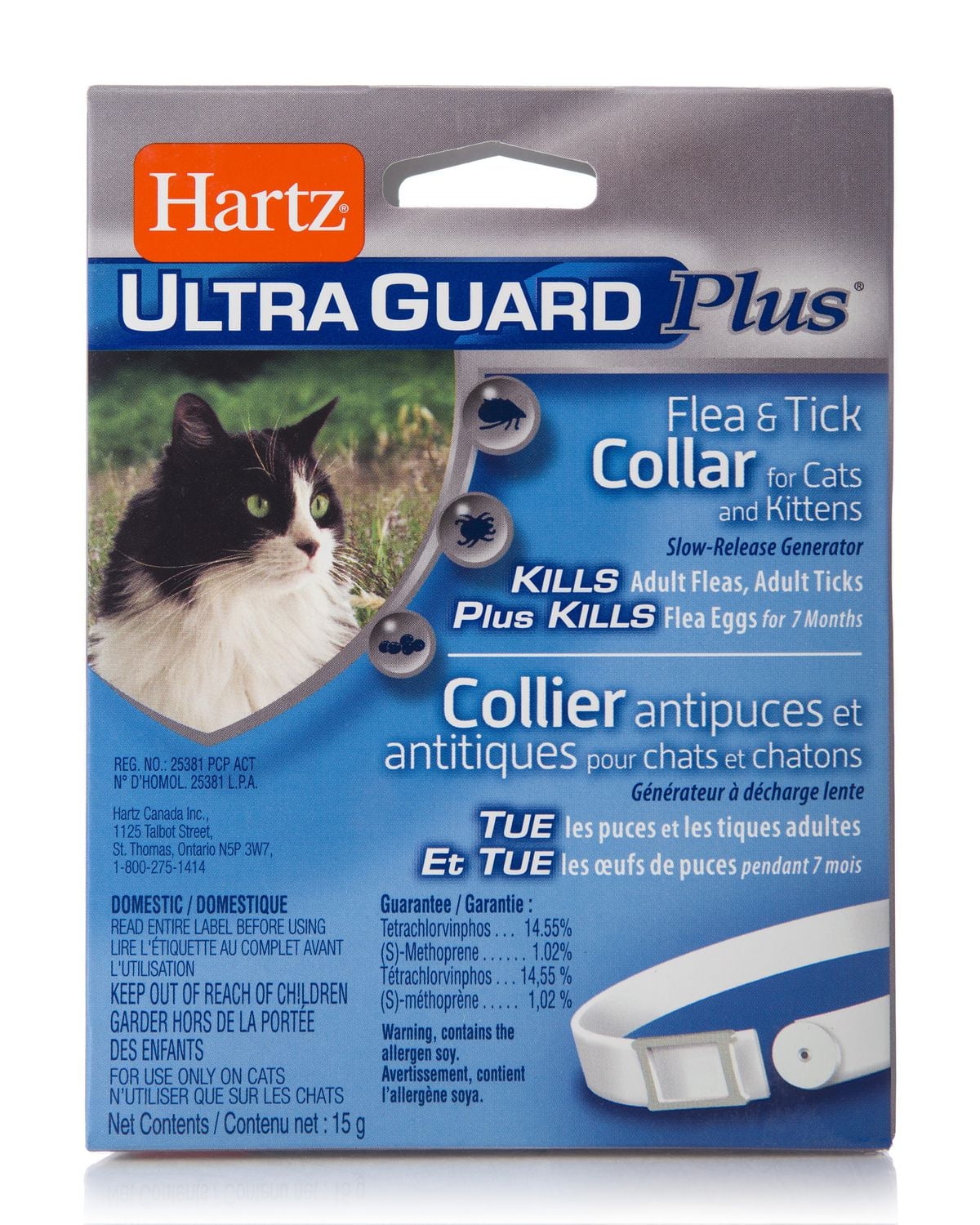
Credit: www.walmart.ca
Alternatives To Flea Collars
Flea collars are one way to protect cats from fleas. Some cats may not like wearing collars. There are other options to keep fleas away and protect your cat.
These alternatives work in different ways. You can choose the one that fits your cat’s needs and lifestyle best.
Topical Treatments
Topical treatments are liquids you put on your cat’s skin. Usually, you apply them between the shoulder blades. They kill fleas and stop new ones from growing.
These treatments work fast and last for weeks. They protect your cat from fleas and sometimes ticks too.
- Easy to apply
- Lasts 30 days or more
- Protects against fleas and ticks
- Some require a vet’s prescription
Oral Medications
Oral medications are pills or chewables that your cat eats. They kill fleas quickly and stop eggs from hatching. Some work in less than an hour.
These medicines are easy to give if your cat likes treats. They often need a vet’s approval and prescription.
- Fast acting
- Kills adult fleas and eggs
- Easy to give as treats or pills
- Needs vet’s prescription
Natural Remedies
Natural remedies use safe ingredients to repel fleas. They include sprays, powders, and shampoos made with herbs or oils. These may help reduce fleas but might not kill them all.
Many owners prefer natural options for sensitive cats. These remedies can be part of a flea control plan but might need regular use.
- Use essential oils like lavender or cedar
- Apply herbal sprays or powders
- Give flea baths with special shampoos
- May need frequent application
Tips For Choosing The Right Collar
Choosing the right flea collar for your cat is important. The right collar keeps your cat safe and comfortable.
Not all flea collars work the same. Knowing what to look for helps you pick the best one.
Factors To Consider
Check if the collar fits your cat well. A collar that is too tight or too loose can cause problems.
Look for collars that use safe ingredients. Some chemicals can harm your cat’s skin or health.
- Size and adjustability of the collar
- Active ingredients and safety
- Water resistance for durability
- How long the collar lasts
- Ease of use and removal
Brand Recommendations
Choose brands known for pet safety and quality. Trusted brands often test their products thoroughly.
Read reviews from other cat owners to learn about real experiences. This helps avoid poor quality collars.
- Look for brands with clear ingredient lists
- Pick collars recommended by veterinarians
- Consider products with good customer feedback
Consulting Your Veterinarian
Your vet knows your cat’s health history. They can suggest the safest and most effective flea collar.
Talk about any allergies or skin problems your cat has. Your vet can help avoid collars with harmful chemicals.
- Ask about the best flea collar for your cat’s age and weight
- Check if the collar works with other flea treatments
- Get advice on how to spot side effects
Signs Flea Collars Are Not Working
Flea collars are common tools to protect cats from fleas. Sometimes, they do not work well. It is important to know the signs that show the collar is failing.
Knowing these signs helps you act quickly to keep your cat safe and comfortable.
Persistent Flea Infestations
If your cat keeps scratching or biting its fur, fleas may still be present. Flea collars may not kill all fleas or stop new ones from coming.
- Notice flea dirt or small black specks on your cat’s skin.
- Look for actual fleas moving in the fur.
- Check if your cat’s skin has red bumps or sores.
- Observe if your cat is restless or uncomfortable.
Allergic Reactions
Some cats may react badly to flea collars. Signs of allergy include redness, swelling, or hair loss around the neck.
| Symptom | Description |
| Redness | Skin looks irritated and inflamed |
| Swelling | Neck or face may puff up |
| Hair Loss | Bald spots appear near the collar area |
| Itching | Cat scratches or rubs the collar area often |
When To Seek Help
If you see signs that the flea collar is not working or your cat is having a bad reaction, talk to a vet. They can suggest better treatment.
- Visit a vet if fleas stay after several weeks.
- See a vet if your cat’s skin gets worse.
- Seek help if your cat shows signs of illness or distress.

Credit: www.hartz.com
Frequently Asked Questions
Do Flea Collars Effectively Prevent Fleas On Cats?
Flea collars can help prevent fleas by releasing insecticides slowly. However, their effectiveness varies by brand and flea severity. Combining collars with other treatments improves results and keeps cats flea-free longer.
Are Flea Collars Safe For All Cats?
Most flea collars are safe for cats if used correctly. Always choose collars specifically designed for cats and avoid using dog collars. Monitor your cat for any allergic reactions or irritation after applying the collar.
How Long Do Flea Collars Last On Cats?
Flea collars generally last between 6 to 8 months. The active ingredients continuously repel fleas during this period. Check the product packaging for exact duration and replace collars promptly to maintain protection.
Can Flea Collars Harm Kittens Or Pregnant Cats?
Some flea collars are not suitable for kittens under a certain age or pregnant cats. Always read product guidelines carefully. Consult your veterinarian before using flea collars on young or pregnant cats to ensure safety.
Conclusion
Flea collars can help control fleas on cats, but results vary. Some cats respond well, while others may need extra treatment. Always check the collar’s safety and fit before use. Regular grooming and cleaning your cat’s environment also matter. Combining methods often works best to keep fleas away.
Watch your cat closely for any irritation or discomfort. Choose products made for cats, not dogs or other pets. Flea control takes patience and care. Stay consistent and ask your vet if unsure. Your cat’s comfort and health come first.