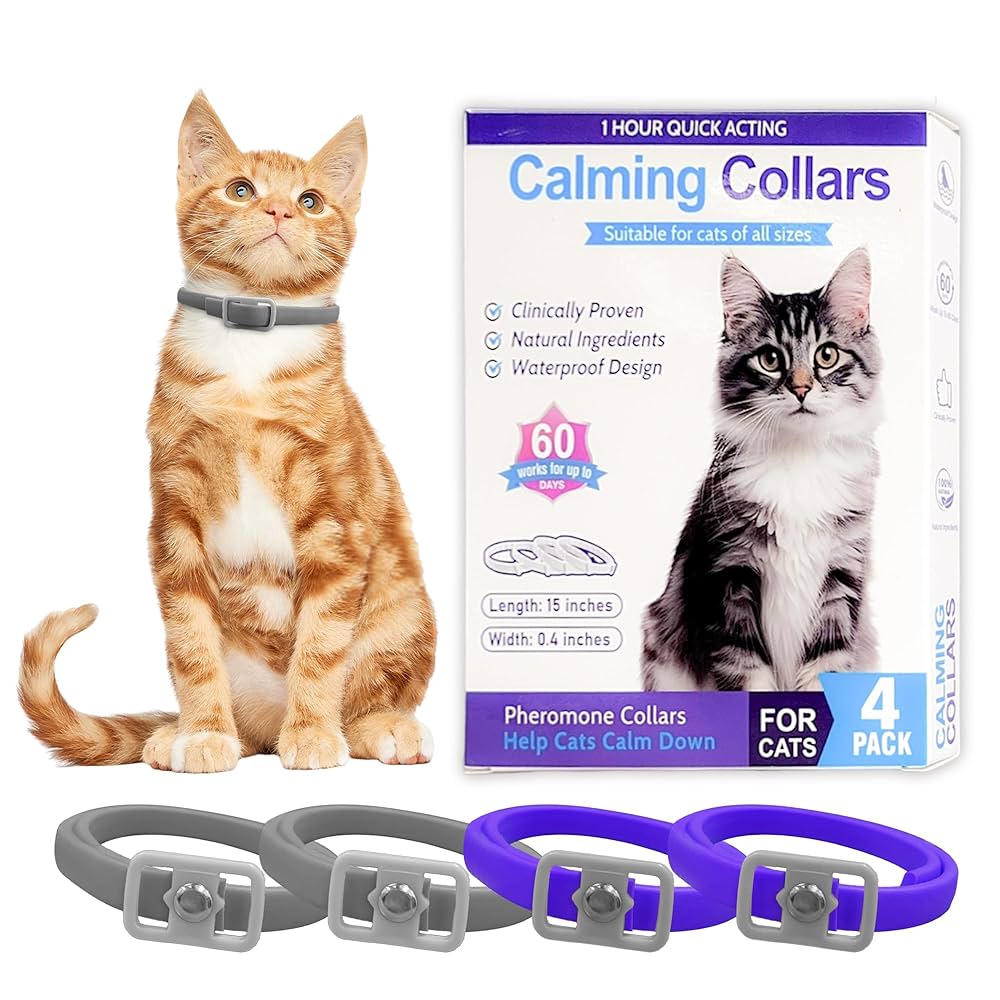
Are you worried about your cat’s anxiety or stress? Maybe you’ve heard about calming collars and wonder if they really help.
You want your furry friend to feel safe and relaxed, but it’s hard to know which solutions actually work. You’ll discover how calming collars work on cats, what science says, and whether they might be the right choice for your pet.
Keep reading to find out if this simple tool can make a big difference in your cat’s life.
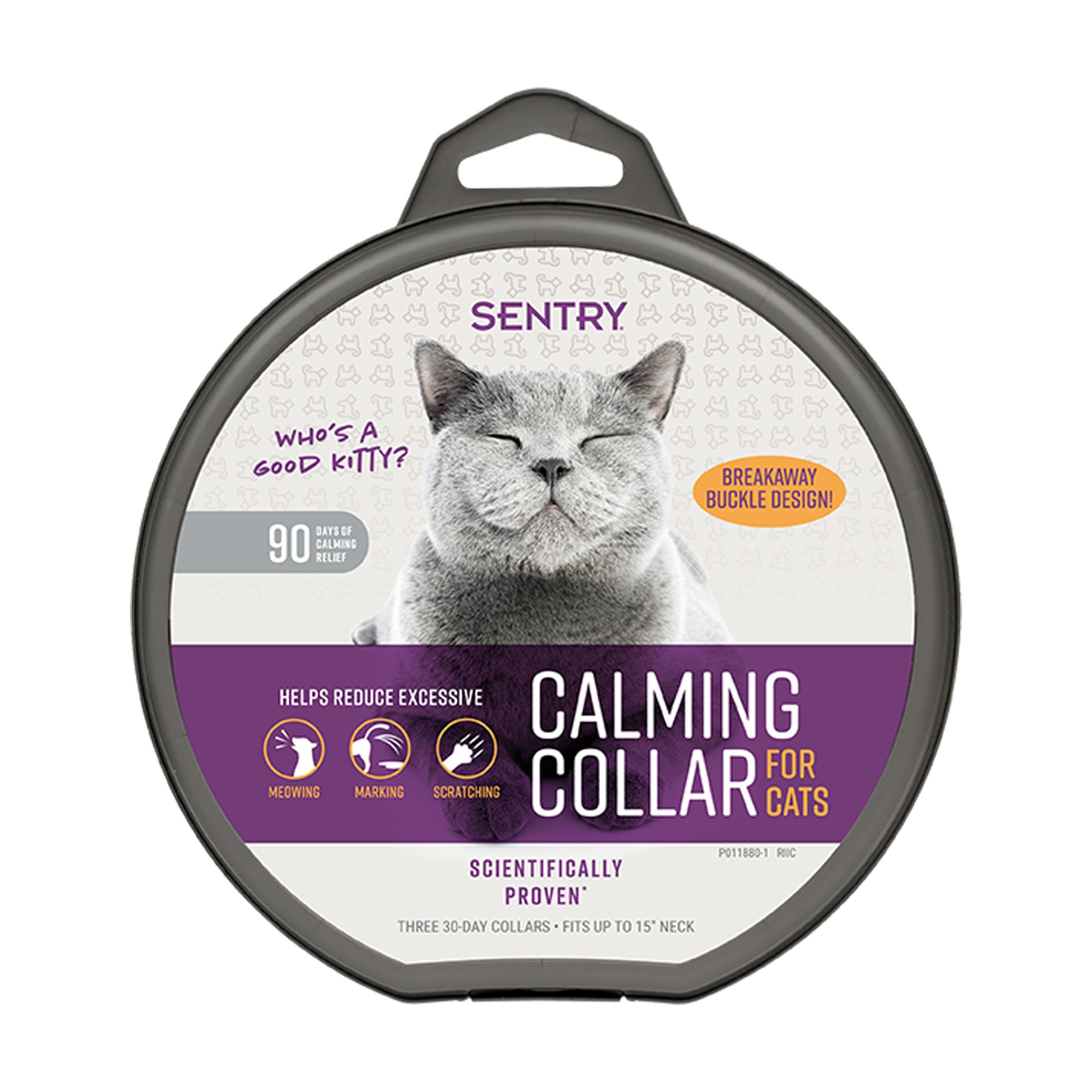
Credit: www.petsmart.com
How Calming Collars Work
Calming collars can help reduce stress in cats. They release substances that soothe the cat’s mind and body. These collars are easy to use and work over time.
Understanding the ingredients and how they work is key. Different collars use different methods to calm cats.
Ingredients And Mechanisms
Most calming collars use natural ingredients or pheromones. These substances affect the cat’s brain to lower anxiety levels.
- Feliway:A synthetic copy of cat facial pheromones. It signals safety and comfort.
- Essential oils:Lavender and chamomile are common. They have mild calming effects but must be safe for cats.
- L-Theanine:An amino acid that promotes relaxation without drowsiness.
- Herbal extracts:Ingredients like valerian root may help reduce nervousness.
These ingredients work by sending calming signals to the cat’s nervous system. This helps to reduce behaviors like scratching or hiding.
Types Of Calming Collars
| Type | How It Works | Common Use |
|---|---|---|
| Pheromone Collars | Release synthetic cat pheromones | Stress from travel, new environments |
| Herbal Collars | Contain natural plant extracts | General anxiety, mild stress |
| Medication Collars | Infused with prescription calming drugs | Severe anxiety under vet supervision |
Credit: www.petsmart.com
Signs Of Stress In Cats
Stress can affect cats in many ways. It is important to notice signs early. This helps keep cats healthy and happy.
Signs of stress can show in behavior and physical health. Understanding these signs helps owners respond well.
Behavioral Indicators
Stress makes cats act differently. They may hide or become more aggressive than usual.
- Hiding in unusual places
- Aggression towards people or other pets
- Excessive grooming or licking
- Loss of appetite or eating less
- Increased vocalization or yowling
- Changes in litter box habits
Physical Symptoms
Stress can also cause physical signs. These symptoms show the cat is not feeling well.
| Symptom | Description |
|---|---|
| Weight loss | Sudden drop in body weight |
| Vomiting | Frequent throwing up without illness |
| Diarrhea | Loose or watery stools |
| Excessive shedding | More fur falls out than normal |
| Changes in eyes | Redness or dilated pupils |
Effectiveness Of Calming Collars
Calming collars for cats are designed to reduce stress and anxiety. They release pheromones that help cats feel safe and calm.
People often wonder if these collars really work or if they are just a placebo. Let’s look at some evidence.
Scientific Studies
Several studies tested calming collars on cats in different situations. Most research shows mixed results.
| Study | Method | Result |
| Study A | Laboratory stress test | Reduced anxiety in 60% of cats |
| Study B | Home environment observation | No significant change in behavior |
| Study C | Veterinary clinic setting | Calming effect noticed in 50% of cats |
These studies suggest calming collars may help some cats but not all. Factors like cat personality and environment matter.
Anecdotal Evidence
Many cat owners share their personal stories about calming collars. Some report positive changes.
- Cat seems less fearful during thunderstorms
- Less hiding when new people visit
- Reduced scratching of furniture
- More relaxed behavior in stressful places
Others say their cats showed no difference or did not like wearing the collar. Comfort and fit can affect results.

Credit: www.amazon.ca
Choosing The Right Collar
Calming collars can help reduce stress in cats. Picking the right collar is important for safety and comfort.
Knowing about materials, fit, scents, and ingredients helps you make a good choice for your cat.
Material And Fit
Choose collars made from soft, breathable materials. They keep your cat comfortable all day.
- Look for adjustable collars to fit your cat’s neck well.
- Pick lightweight materials to avoid irritation.
- Check for breakaway clasps to keep your cat safe.
- Avoid collars with rough edges or stiff parts.
Scent And Ingredients
Calming collars work by releasing scents that soothe your cat. These scents come from natural ingredients.
| Ingredient | Effect | Common Sources |
| L-Theanine | Reduces anxiety | Green tea extracts |
| Valerian Root | Calms nerves | Herbal plants |
| Lavender | Relaxes mood | Lavender oil |
| Chamomile | Soothes stress | Chamomile flowers |
Tips For Using Calming Collars
Calming collars can help reduce stress in cats. They release soothing scents that calm your pet.
Use these tips to get the best results from calming collars for your cat.
Proper Application
Put the calming collar on your cat’s neck comfortably. It should not be too tight or too loose.
Check the collar daily to make sure it is clean and working well. Replace it as the instructions say.
- Measure your cat’s neck before buying a collar
- Leave enough space to fit two fingers under the collar
- Remove the collar during feeding and sleeping if needed
- Watch your cat for any irritation or allergies
Combining With Other Stress Relief Methods
Use calming collars along with other ways to reduce stress. This helps your cat feel safer.
Try using soft music, gentle petting, and a quiet space to help calm your cat.
- Provide a cozy bed or hiding spot
- Use pheromone sprays or diffusers in the room
- Keep feeding and playtime routines consistent
- Speak softly and move slowly around your cat
Alternatives To Calming Collars
Calming collars are one way to help reduce stress in cats. Some cats do not respond well to these collars. Many safe alternatives can also calm your cat.
These options include natural remedies and changes to your cat’s environment. Both can improve your cat’s comfort and reduce anxiety.
Natural Remedies
Natural remedies use scents and supplements to help calm cats. These options often have fewer side effects than medicines. They work by soothing your cat’s senses.
- Use pheromone sprays or diffusers that mimic cat calming signals
- Try herbal supplements like chamomile or valerian root made for cats
- Give omega-3 fatty acid supplements to support brain health
- Offer calming treats with natural ingredients
- Use lavender or other safe essential oils with caution, only in diffusers
Always check with a vet before giving supplements. Some plants and oils can be harmful to cats.
Environmental Adjustments
Changing your cat’s environment can reduce stress. Cats feel safer with quiet spaces and hiding spots. Routine and playtime also help them relax.
- Provide a cozy bed or box where your cat can hide
- Keep a consistent daily schedule for feeding and play
- Use interactive toys to keep your cat busy and happy
- Play soft music or white noise to soothe your cat
- Limit loud noises and sudden changes in the home
These small changes make your cat feel secure. A calm environment helps reduce anxiety naturally.
When To Consult A Veterinarian
Calming collars may help reduce mild stress in cats. Sometimes, stress lasts longer or gets worse. Knowing when to see a vet is important for your cat’s health.
A veterinarian can find if stress links to other health problems. Early advice helps your cat feel better faster.
Persistent Stress Signs
Watch for signs that stress is not going away. Persistent stress may need professional care. Signs include:
- Loss of appetite or eating less
- Excessive hiding or avoiding people
- Continuous grooming or hair loss
- Frequent vocalizing or crying
- Sudden aggression or irritability
- Changes in litter box use
If you see these signs for more than a few days, contact your vet. These could mean deeper problems.
Medical Interventions
Vets may suggest treatments beyond calming collars. Some cats need medicine or therapy to reduce stress safely.
| Treatment | Purpose | Notes |
| Prescription Medication | Control anxiety or mood | Only under vet supervision |
| Behavioral Therapy | Change stressful habits | Includes training and environment changes |
| Environmental Enrichment | Stimulate and calm | Toys, scratching posts, safe spaces |
| Follow-up Exams | Track progress | Adjust treatments if needed |
Your vet will choose the best plan for your cat. Never give medicine without advice.
Frequently Asked Questions
Do Calming Collars Reduce Cat Anxiety Effectively?
Yes, calming collars release pheromones that mimic natural cat scents. They help reduce stress and anxiety in many cats, improving behavior and comfort during stressful events like travel or vet visits.
How Long Do Calming Collars Take To Work On Cats?
Calming collars usually take 24 to 72 hours to show effects. Consistent use over days or weeks enhances results, helping cats feel calmer in stressful situations.
Are Calming Collars Safe For All Cats?
Generally, calming collars are safe for most cats. However, consult your vet before use, especially if your cat has skin issues or allergies to collar materials.
Can Calming Collars Be Used With Other Anxiety Treatments?
Yes, calming collars can complement other anxiety treatments. Combining collars with behavior therapy or medication often improves overall stress relief for cats.
Conclusion
Calming collars can help some cats feel more relaxed. They release soothing pheromones, which can ease stress. Not all cats respond the same way, though. Some may show noticeable improvement, while others might not. It’s important to observe your cat’s behavior.
Try it and see if there’s a positive change. Always consult your veterinarian for advice. They can offer guidance based on your cat’s needs. Remember, every cat is unique. Finding the right solution takes time and patience. Your furry friend deserves the best care possible.