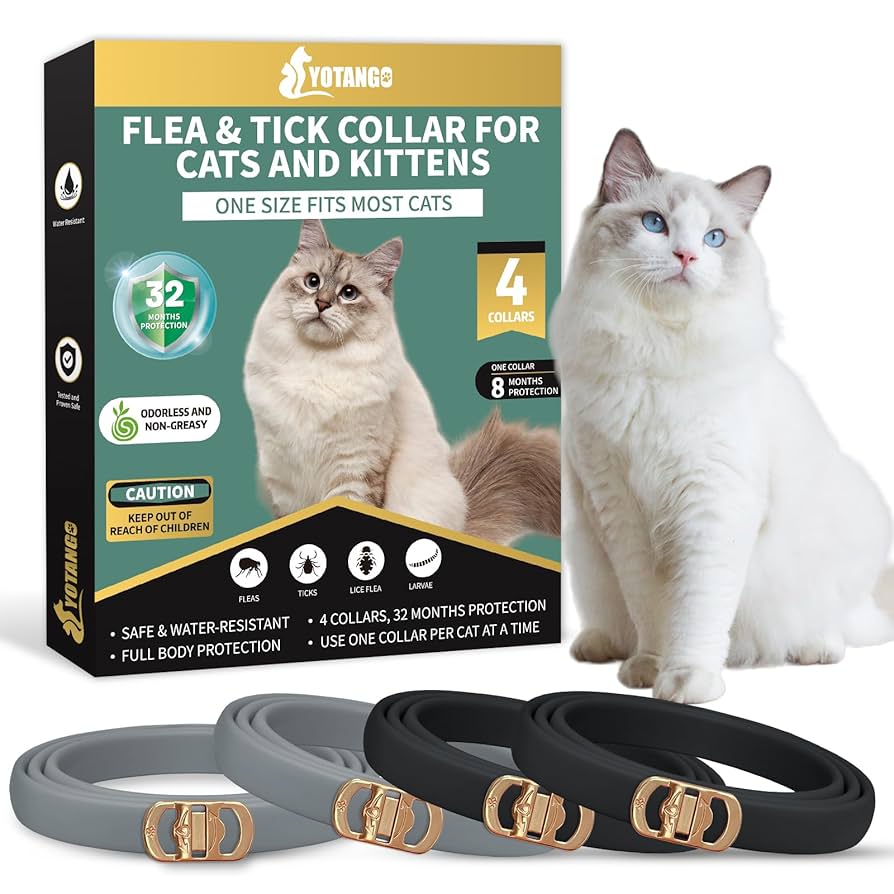
If you have a cat, you know how tricky fleas can be. Flea collars are a popular way to keep your furry friend protected.
But how long do flea collars last for cats? You want to make sure your cat stays safe without constantly worrying about reapplying treatments. You’ll discover exactly how long these collars work, what affects their effectiveness, and how to choose the best one for your cat.
Keep reading to protect your pet and enjoy peace of mind.
Flea Collars Basics
Flea collars help protect cats from fleas and ticks. They release substances that repel or kill pests.
Many cat owners want to know how long flea collars last. The answer depends on the collar type and brand.
Types Of Flea Collars
Flea collars come in several types. Each type uses a different way to keep pests away.
- Insecticide collars:These have chemicals that kill fleas and ticks.
- Repellent collars:These release scents that bugs dislike.
- Natural collars:These use essential oils like lavender or citronella.
- Long-lasting collars:These work for several months without replacing.
How Flea Collars Work
Flea collars release active ingredients slowly. These spread over the cat’s fur and skin.
The collars either kill fleas or stop them from biting. Some collars also block flea eggs from hatching.
- Release insecticides that kill fleas on contact
- Spread repellents to keep fleas away
- Prevent flea eggs from developing
- Work continuously for weeks or months

Credit: www.amazon.com
Duration Of Effectiveness
Flea collars are a common way to protect cats from fleas. They slowly release chemicals that kill fleas. The time they work depends on the collar type and other factors.
Knowing how long flea collars last helps you keep your cat safe from pests. It also guides you on when to replace the collar for ongoing protection.
Average Lifespan Of Flea Collars
Most flea collars last between one and eight months. The exact time varies by brand and formula. Some collars release chemicals slowly to last longer.
- Basic collars often protect for about one to three months.
- Premium collars can last up to six or eight months.
- Waterproof collars tend to keep working even if wet.
- Non-waterproof collars may lose effectiveness faster if exposed to water.
Factors Affecting Longevity
Several factors change how long a flea collar stays effective. These include the cat’s activity, collar fit, and environmental conditions.
| Factor | Effect on Flea Collar |
| Cat’s Activity Level | High activity can wear down the collar faster |
| Exposure to Water | Water can reduce collar chemicals unless waterproof |
| Collar Fit | A loose collar may lose contact and work less |
| Environmental Humidity | High humidity may affect chemical release speed |
| Type of Collar | Slow-release collars last longer than basic types |
Choosing The Right Collar
Flea collars help keep cats free from fleas. Choosing the right collar is important for safety and effectiveness.
Different collars last for different times. You should consider several factors before buying one.
Material And Comfort
Cat collars come in many materials like nylon, leather, and plastic. Soft materials are better for comfort.
A collar should fit well but not be too tight. It should allow your cat to move freely without irritation.
- Nylon collars are lightweight and easy to clean
- Leather collars are durable but may be stiff
- Plastic collars are often adjustable and waterproof
- Choose collars with a breakaway feature for safety
Chemical Ingredients
Flea collars use different chemicals to kill fleas. Some last longer than others.
Check the ingredients to know how long the collar works. Some collars protect for up to 8 months.
- Pyrethrin and permethrin act quickly but may last a few weeks
- Imidacloprid and flumethrin offer longer protection, up to 8 months
- Natural ingredient collars may need more frequent replacement
- Follow the product instructions for best results
Cat’s Age And Health
Young kittens and older cats may need special flea collars. Their skin can be more sensitive.
Always check if the collar is safe for your cat’s age and health condition. Some collars are for adults only.
- Kittens under 8 weeks often should not wear flea collars
- Older cats may need collars with gentler chemicals
- Cats with skin allergies need hypoallergenic collars
- Consult a vet if unsure about collar safety
Proper Use And Maintenance
Flea collars help protect your cat from fleas and ticks. Proper use and care make them work better and longer.
Follow the right steps to apply the collar and know when to replace it. Watch for signs that it is less effective.
Correct Application
Put the flea collar on your cat’s neck, not too tight or loose. You should be able to fit two fingers between the collar and the neck.
- Remove any other flea treatments before using the collar.
- Check the collar regularly for damage or dirt.
- Keep the collar dry to maintain its effect.
- Trim excess length if the collar is too long, but do not cut the part with medicine.
When To Replace
Flea collars usually last from one to eight months. Check the product instructions for exact time.
| Type of Collar | Typical Duration |
| Standard Flea Collar | 4 to 6 weeks |
| Long-Lasting Collar | 3 to 8 months |
| Water-Resistant Collar | Up to 6 months |
Signs Of Reduced Effectiveness
Watch your cat for signs the flea collar is not working well anymore. Early action helps keep your cat safe.
- Increased scratching or biting at the skin.
- Visible fleas or flea dirt on the fur.
- Collar looks worn out or faded.
- Collar feels loose or damaged.
Safety Tips For Cats
Flea collars help protect cats from pests. It is important to use them safely. Knowing how long flea collars last helps prevent problems.
This guide covers safety tips for using flea collars on cats. Keep your pet healthy by following these steps.
Potential Side Effects
Flea collars can cause side effects in some cats. These may include skin irritation or discomfort. Watch your cat for any unusual signs after putting on the collar.
Some cats may scratch or bite at the collar. This can cause sores or hair loss. If side effects appear, remove the collar and consult a vet.
Avoiding Allergic Reactions
Cats can be allergic to ingredients in flea collars. Test the collar on a small area first. Look for redness, swelling, or itching.
- Choose collars made for cats, not dogs
- Check ingredients for known allergens
- Use natural or hypoallergenic options if needed
- Remove the collar if your cat shows allergy signs
Monitoring Your Cat
Keep a close eye on your cat after applying the flea collar. Check the collar fit daily. It should be snug but not tight.
Look for changes in behavior or health. If your cat seems sick or unhappy, take off the collar and visit the vet.

Credit: www.hartz.com
Alternatives To Flea Collars
Flea collars are common to protect cats from fleas. Some cats may not like wearing collars. There are other ways to keep fleas away.
These alternatives can be easier to use and sometimes more effective. Let’s look at some options.
Topical Treatments
Topical treatments are liquids you put on your cat’s skin. Usually, they go on the back of the neck. They stop fleas from biting and kill them fast.
These treatments work for about a month. They are easy to apply and water-resistant.
- Apply once a month for best results
- Keep the area dry after application
- Check the cat’s skin for any irritation
Oral Medications
Oral medications come as pills or chewables. Cats eat them to kill fleas from the inside out. They stop fleas from growing and laying eggs.
These medicines work quickly and can last up to a month. They are good for cats that do not like collars or liquids.
- Give the pill as directed by your vet
- Watch for any side effects like vomiting
- Keep a regular schedule for dosing
Natural Remedies
Some owners prefer natural ways to fight fleas. These include sprays, powders, and shampoos made with herbal ingredients.
Natural remedies may not work as fast. They can be gentle on your cat’s skin and safe if used correctly.
- Use flea shampoos with neem or eucalyptus
- Sprinkle diatomaceous earth on bedding
- Brush your cat regularly to remove fleas
Maximizing Flea Protection
Flea collars can protect your cat from fleas for weeks or months. To keep your cat safe, you need more than just a collar.
Using several ways to fight fleas works best. This stops fleas from coming back fast.
Combining Methods
Use flea collars along with other flea treatments. This gives your cat stronger protection.
- Flea shampoos kill fleas on contact
- Spot-on treatments last for weeks
- Oral flea pills can protect from inside
- Regular grooming helps find fleas early
Environmental Control
Fleas live in your home too. Cleaning your home helps stop fleas from spreading.
| Action | Purpose |
| Vacuum floors and furniture | Remove flea eggs and larvae |
| Wash pet bedding weekly | Kill fleas and eggs on fabric |
| Use flea sprays for carpets | Destroy fleas in the environment |
| Keep yard clean and dry | Reduce outdoor flea habitats |
Regular Vet Checkups
Visit your vet often to keep your cat healthy. The vet can spot fleas early and suggest the best treatments.
Signs to mention at the vet:
- Scratching or biting
- Red or irritated skin
- Visible fleas or flea dirt
- Changes in behavior or appetite

Credit: www.amazon.com
Frequently Asked Questions
How Long Do Flea Collars Typically Last For Cats?
Flea collars for cats usually last between 8 to 12 weeks. Some advanced collars can provide protection up to 7 months. Always check the product label for exact duration and replace the collar accordingly to maintain effective flea control.
Can Flea Collars Lose Effectiveness Over Time?
Yes, flea collars can lose effectiveness as their active ingredients deplete. Exposure to water, dirt, and sunlight may reduce their potency. It’s important to replace collars as recommended to ensure continuous flea protection for your cat.
Are Flea Collars Safe For All Cats?
Most flea collars are safe for cats, but some ingredients may cause allergies. Always choose collars specifically designed for cats. Consult your vet before use, especially for kittens, pregnant cats, or cats with health issues.
How Do Flea Collars Compare To Other Flea Treatments?
Flea collars offer continuous protection and are easy to use. However, topical treatments or oral medications might act faster or target multiple parasites. Choose a method based on your cat’s needs, lifestyle, and vet’s advice.
Conclusion
Choosing the right flea collar is crucial for your cat’s health. Most flea collars last between three to eight months. Their effectiveness can vary based on the brand and your cat’s lifestyle. Regular checks are essential. Ensure the collar remains effective and comfortable.
If your cat shows discomfort or if fleas persist, consider consulting a vet. Always follow the instructions on the package. A well-chosen flea collar helps protect your cat from pests. Keep your feline friend happy and healthy with proper care.
Flea management is key to a peaceful home environment.