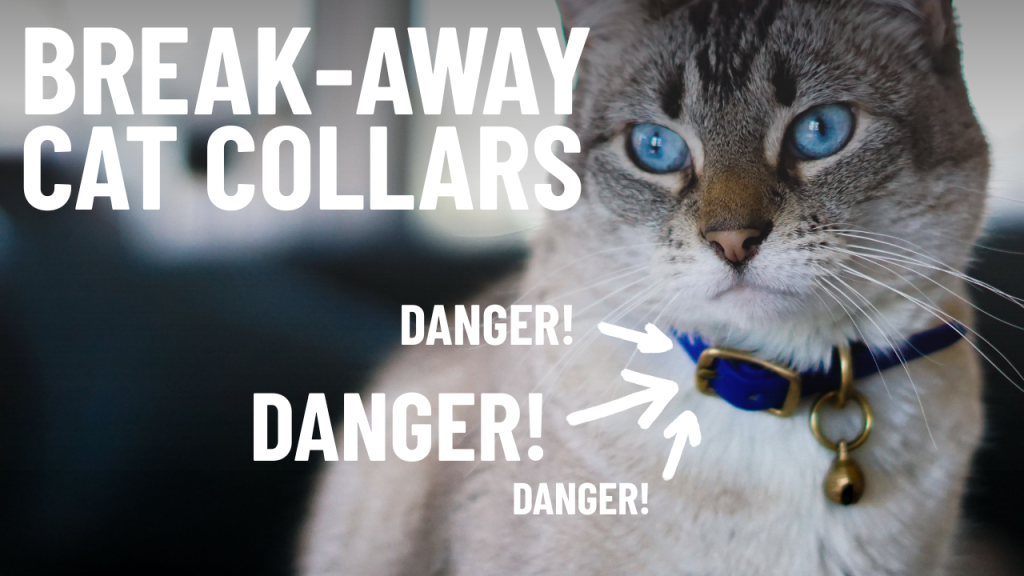
Have you ever wondered if collars are really safe for your cat? You want to keep your furry friend safe, but what if the collar you choose is actually causing harm?
It’s a common question that many cat owners face. You’ll discover the surprising truth about collars and whether they are good or bad for your cat. Keep reading—your cat’s comfort and safety might depend on what you learn next.
Cat Collars: Purpose And Types
Cat collars serve many purposes for pet owners and cats alike. They help identify cats and keep them safe outside.
There are different types of collars designed for specific needs. Each type offers unique features to protect cats.
Identification Collars
Identification collars show important information about the cat. They usually have tags with the cat’s name and owner contact details.
These collars help return lost cats to their owners quickly. They are a simple way to keep cats safe outside.
Breakaway Collars
Breakaway collars are made to release if the cat gets caught on something. This helps prevent choking or injury.
They are a safer option for cats that roam outside or climb trees. The collar opens under pressure and falls off.
Reflective And Bell Collars
Reflective collars make cats visible at night. This helps drivers see them and avoid accidents.
Bell collars help warn birds and small animals. The bell rings when the cat moves, reducing hunting success.

Credit: www.familyhandyman.com
Potential Risks Of Collars
Collars on cats can sometimes cause problems. It is important to know what risks they might bring. This helps you keep your cat safe and comfortable.
Not all collars are bad, but some cats may have trouble wearing them. Let’s look at some common risks linked to collars for cats.
Choking And Injury Hazards
Collars may cause choking if they get caught on something. Cats can panic and hurt themselves trying to escape. Breakaway collars reduce this risk but do not eliminate it.
- Collars can get stuck on branches or furniture.
- Hard pulls on the collar may injure the neck.
- Improper size or fit increases choking risk.
- Loose collars may cause cats to get caught more easily.
Skin Irritation And Allergies
Some cats get skin problems from collars. The material or tightness can irritate the skin. Allergic reactions to collar fabrics are also possible.
| Cause | Effect on Cat |
| Tight collar | Red marks and hair loss |
| Rough material | Scratches and sores |
| Allergic reaction | Itchy, inflamed skin |
| Wet collar | Fungal or bacterial infection |
Stress And Behavioral Changes
Wearing a collar can cause stress for some cats. They might try to remove it or hide more often. Stress can lead to changes in eating, grooming, and social behavior.
Common signs of collar stress include:
- Excessive scratching at the neck
- Refusing to eat or drink
- Hiding or avoiding contact
- Over-grooming or hair loss
Benefits Of Using Collars
Collars can be useful for cats in many ways. They provide safety and help identify your cat easily.
Using collars can also protect cats from dangers and help owners keep track of them.
Safety And Identification
Collars help show that a cat belongs to someone. This reduces the chance of the cat being lost or taken.
Many collars have ID tags with the owner’s contact details. This helps people return lost cats quickly.
- ID tags with name and phone number
- Reflective collars for night visibility
- Breakaway collars to prevent choking
Deterring Predators
Collars can make cats look bigger or more noticeable. This can scare away some predators.
Bells on collars warn birds and small animals. This helps reduce hunting and protects wildlife.
- Bright collars catch attention
- Bells alert nearby animals
- Some collars have predator-repellent scents
Tracking And Monitoring
Collars can hold trackers or GPS devices. These tools help owners find their cats if they wander off.
Tracking helps keep cats safe. Owners can see where their cats go and spot danger early.
- GPS collars show real-time locations
- Activity trackers monitor health and movement
- Some collars send alerts if cats leave safe zones

Credit: www.reddit.com
Signs A Collar Is Harmful
Collars can sometimes cause problems for cats. It is important to watch for signs that a collar may be hurting your cat.
Knowing these signs helps you keep your cat safe and comfortable. Cats cannot tell us when something is wrong.
Physical Symptoms To Watch
Check your cat’s neck often for any signs of injury. The collar might cause redness or swelling on the skin.
Look for hair loss around the collar area. Sometimes the collar rubs the fur away or causes sores.
- Red or raw skin under the collar
- Swelling or bumps on the neck
- Hair loss around the collar area
- Scratches or sores caused by the collar
- Difficulty breathing if the collar is too tight
Behavioral Warning Signs
Changes in your cat’s behavior can show discomfort from the collar. Cats may try to bite or paw at it.
Watch for signs like hiding or reduced activity. These behaviors may mean the collar is upsetting your cat.
- Constant pawing or biting at the collar
- Trying to remove the collar by rubbing against furniture
- Hiding more than usual
- Decreased playfulness or movement
- Showing signs of stress or anxiety
When To Remove The Collar
Take the collar off immediately if your cat shows serious signs of pain or injury. Do not wait to act.
Remove the collar if your cat keeps trying to get it off or seems very stressed. A collar should not cause fear or harm.
- Skin is bleeding or very irritated
- Swelling makes it hard for your cat to move
- Cat cannot breathe or swallow normally
- Cat is frantic or aggressive because of the collar
- Repeated attempts to remove the collar fail
Safe Collar Practices
Collars can help identify cats and keep them safe. But collars must be used correctly to avoid harm.
Using safe collar practices protects your cat from accidents and discomfort. Learn how to choose and care for collars.
Choosing The Right Collar
Pick collars made for cats, not dogs. Cat collars often have safety features like breakaway clasps.
Use lightweight collars made of soft material. Avoid heavy or stiff collars that may irritate the cat.
- Look for breakaway or quick-release buckles
- Choose collars that fit your cat’s size and age
- Consider collars with ID tags or reflective strips
Proper Fitting Techniques
Fit the collar so it is snug but not tight. You should be able to fit two fingers between the collar and your cat’s neck.
A collar that is too loose can slip off. A collar that is too tight can cause breathing problems or skin injury.
- Use a soft tape measure to check neck size
- Adjust the collar after a few days as your cat moves
- Check fit regularly, especially for growing kittens
Regular Collar Maintenance
Check the collar every week for wear and tear. Replace the collar if it is frayed or damaged.
Keep the collar clean to prevent skin infections. Remove the collar if your cat shows signs of irritation.
- Inspect buckles and clasps for proper function
- Wash collars with mild soap and water
- Remove collars during playtime or sleep if advised by a vet
Alternatives To Traditional Collars
Many cat owners worry about the safety of traditional collars. Collars can sometimes cause injury or discomfort. Luckily, there are safe alternatives to help identify your cat.
These options can keep your cat safe without the risks of a collar. Let’s explore some popular choices that work well.
Microchipping Benefits
Microchipping is a small device placed under your cat’s skin. It carries a unique ID number that helps identify your pet if lost.
This method is safe and permanent. It cannot fall off or hurt your cat like a collar might.
- Works even if your cat loses a collar
- Provides lifelong identification
- Easy for vets and shelters to scan
Harnesses And Tags
Harnesses offer a safe way to attach ID tags without putting pressure on your cat’s neck. They spread weight evenly across the body.
ID tags on harnesses show your contact information clearly. Harnesses also give more control if you take your cat outside.
- Less risk of choking or injury
- Good for outdoor walks
- Can hold multiple tags
Collar-free Identification Methods
There are new ways to identify cats without using collars. These include tattooing and GPS trackers placed on harnesses or collars.
Some owners also use breakaway safety tags or sew information into their cat’s bedding or carrier.
- Tattooing provides permanent ID
- GPS trackers help find your cat fast
- Breakaway tags reduce injury risk
- Embedding info in personal items adds extra security
Credit: www.smithsonianmag.com
Frequently Asked Questions
Are Collars Harmful To Cats’ Health?
Collars can cause harm if too tight or made from unsafe materials. Proper fit and breakaway features reduce risks. Regular checks ensure safety and comfort, preventing injuries or choking hazards.
Can Collars Cause Stress Or Discomfort In Cats?
Yes, collars may cause stress if cats are not accustomed to them. Gradual introduction and positive reinforcement help cats adjust comfortably over time.
What Safety Features Should Cat Collars Have?
Cat collars should have breakaway or elastic release features. These prevent choking if the collar gets caught on objects, ensuring the cat’s safety.
How To Choose The Right Collar For My Cat?
Choose lightweight, breathable collars with soft materials. Ensure the collar fits snugly but allows two fingers’ space for comfort and safety.
Conclusion
Deciding on a collar for your cat requires careful thought. Consider your cat’s comfort and safety. Some cats adapt well to collars, while others don’t. Always choose a breakaway collar to prevent accidents. Observe your cat’s behavior with the collar.
Signs of discomfort mean a collar might not be suitable. Microchipping offers a safe alternative for identification. Consult your vet for personalized advice. Your cat’s happiness and well-being should always come first. A well-informed decision ensures your feline friend stays safe and content.