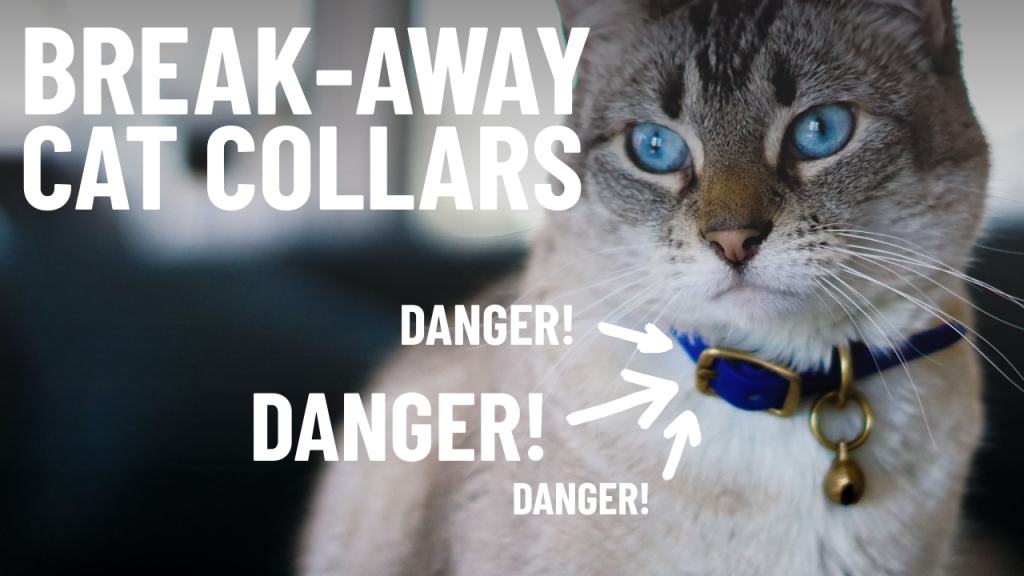
Are you a proud cat parent wondering if cat collars are safe for your furry friend? You’re not alone.
Many cat owners like you are curious and concerned about the safety and comfort of their beloved pets when wearing collars. You want to keep your feline safe, but you might be worried about potential risks. The good news is, you’re about to discover everything you need to know to make an informed decision.
By the end of this article, you’ll be equipped with the knowledge to ensure your cat is both stylish and secure. Keep reading to uncover the truth about cat collars and how they can benefit both you and your feline friend.
Types Of Cat Collars
Cat collars come in different styles, each with its own safety features. Choosing the right collar helps keep your cat safe and comfortable.
Understanding the types of collars can help you pick the best one for your pet’s needs and lifestyle.
Breakaway Collars
Breakaway collars have a special clasp that opens under pressure. This feature helps prevent choking if the collar gets caught on something.
- Made with safety release clasps
- Easy to put on and take off
- Good for indoor and outdoor cats
- Often include ID tags or bells
Martingale Collars
Martingale collars tighten slightly when the cat pulls. They stop the cat from slipping out but do not choke like traditional collars.
| Feature | Benefit |
| Adjustable fit | Prevents slipping off |
| Soft material | Comfortable for cats |
| Limited tightening | Reduces risk of choking |
Traditional Collars
Traditional collars are simple bands with a buckle or snap. They do not have safety release features, so they can be risky for cats that roam outside.
Consider these points about traditional collars:
- Strong and durable
- Hold ID tags securely
- Can cause choking if caught
- Not recommended for outdoor cats
Safety Features To Look For
Choosing a safe collar for your cat is very important. Some collars can cause harm if they lack safety features.
Look for collars that protect your cat and allow easy escape if needed. This keeps your pet safe and comfortable.
Material Quality
Good collars use soft, strong materials. These materials do not irritate your cat’s skin.
Check if the collar is waterproof and easy to clean. This helps it last longer and stay safe.
- Soft fabric or nylon to avoid skin irritation
- Strong stitching to prevent breaking
- Non-toxic materials safe for pets
- Water-resistant for durability
Proper Fit
The collar must fit your cat well. Too tight can hurt, too loose can catch on objects.
Measure your cat’s neck before buying. The collar should allow space for two fingers.
- Allow room for two fingers between collar and neck
- Adjustable size for growth or weight changes
- Check fit often for comfort and safety
Reflective Elements
Reflective parts on collars help others see your cat at night. This reduces accidents outdoors.
Look for collars with reflective strips or stitching. These add safety without discomfort.
- Reflective tape or thread for night visibility
- Bright colors help spot your cat during the day
- Safe, sewn-in reflective parts that do not peel off
Risks Associated With Cat Collars
Cat collars can help identify pets and hold ID tags. But collars also come with risks for cats.
Understanding these risks helps owners keep their cats safe and comfortable.
Choking Hazards
Collars that do not fit well can cause choking. Cats might get stuck if the collar is too tight.
Loose collars may catch on objects, pulling tight around the neck and causing harm.
- Always choose collars with breakaway features.
- Regularly check collar fit to avoid tightness.
- Remove collars during playtime in risky areas.
Injury From Snagging
Cat collars can snag on branches, fences, or furniture. This can cause injuries or panic for the cat.
Snagging may lead to cuts, bruises, or even broken bones if the cat struggles to free itself.
- Use collars with quick-release buckles.
- Avoid collars with dangling parts that catch easily.
- Supervise cats outdoors to reduce snag risks.
Allergic Reactions
Some cats can have allergic reactions to collar materials. This causes itching and skin irritation.
Reactions may include redness, swelling, or hair loss around the neck area.
- Choose collars made from hypoallergenic materials.
- Check your cat’s skin often for signs of irritation.
- Remove the collar if your cat shows discomfort.

Credit: upco.com
Benefits Of Wearing Collars
Cat collars offer many advantages for both cats and their owners. They help keep cats safe and make it easier to identify them.
Wearing collars can reduce risks and improve a cat’s chances of returning home if lost.
Identification And Contact Info
Collars often hold ID tags that show the cat’s name and owner’s contact details. This helps people return lost cats quickly.
- Owner’s phone number
- Cat’s name
- Address or city
- Medical needs or allergies
Visibility Outdoors
Bright or reflective collars make cats easier to see outside. This lowers the chance of accidents, especially at night.
| Type of Collar | Visibility Feature |
| Reflective Collar | Reflects light in the dark |
| Bright Colored Collar | Easy to spot in grass or bushes |
| LED Collar | Lights up for extra safety |
Preventing Lost Pets
Collars help keep cats from getting lost by showing that they belong to someone. They also remind people to call the owner if they find the cat.
Tips to prevent lost pets with collars:
- Check collar fit regularly
- Use breakaway collars for safety
- Attach ID tags securely
- Consider microchipping as backup
Tips For Choosing The Right Collar
Choosing the right collar for your cat is important for safety and comfort. A good collar fits well and suits your cat’s needs.
Use these tips to help you pick a collar that keeps your cat safe and happy.
Measuring Your Cat’s Neck
Measure your cat’s neck before buying a collar. A collar that is too tight can hurt your cat.
Use a soft tape measure or a piece of string to get the size. Leave enough space for comfort.
- Place the tape or string around the neck.
- Leave about one to two fingers’ width of space.
- Note the measurement in inches or centimeters.
- Choose a collar size slightly larger than the measurement.
Selecting Adjustable Collars
Adjustable collars are a good choice for growing cats. They allow you to change the size as needed.
Look for collars with a secure buckle and easy adjustment. This helps keep the collar snug but not tight.
- Choose collars with sliding buckles for size changes.
- Check that the collar stays in place but can be loosened.
- Pick collars made of soft, flexible material.
- Ensure the buckle is strong and safe for your cat.
Considering Your Cat’s Lifestyle
Think about your cat’s daily activities before picking a collar. Active cats need collars that stay on well.
Indoor cats may need lightweight collars. Outdoor cats benefit from safety features like breakaway clasps.
- For outdoor cats, choose breakaway or quick-release collars.
- Indoor cats can wear softer, lighter collars.
- Cats that climb need durable collars that won’t catch.
- Consider collars with ID tags if your cat goes outside.
Alternatives To Traditional Collars
Many cat owners worry if traditional collars are safe for their pets. Collars can sometimes cause injury or discomfort.
There are other options to keep your cat safe and easy to find. These alternatives can protect your cat without risks.
Microchipping
Microchipping is a small device placed under the cat’s skin. It holds an ID number that vets or shelters can read.
This method is safe and does not bother the cat. It works even if the cat loses its collar or tag.
Harnesses And Id Tags
Harnesses are a secure way to keep cats safe during walks. They fit around the body and reduce the risk of injury.
ID tags attached to a harness or collar show your contact details. This helps people return lost cats quickly.
- Harnesses prevent choking or neck injury
- ID tags provide visible identification
- Use breakaway clasps for safety
Gps Trackers
GPS trackers attach to collars or harnesses. They help you find your cat if it wanders far away.
These devices send location updates to your phone. They offer peace of mind without harming your pet.
Monitoring And Maintenance
Keeping your cat’s collar safe requires regular monitoring and care. Checking the collar often helps avoid risks.
Proper cleaning and timely replacement keep the collar comfortable and secure for your cat.
Regular Collar Checks
Check your cat’s collar every few days. Look for signs of wear or damage. Make sure it fits well—not too tight or loose.
- Ensure the collar is not rubbing or irritating the skin.
- Check the buckle and clasps for proper function.
- Look for frayed fabric or broken parts.
- Make sure the collar has a quick-release or breakaway feature.
Cleaning Your Cat’s Collar
Keep the collar clean to avoid skin irritation and bad odors. Wash collars regularly, especially if your cat goes outside.
- Remove the collar from your cat.
- Soak it in warm, soapy water for 10 minutes.
- Gently scrub dirt and grime with a soft brush.
- Rinse thoroughly with clean water.
- Let the collar air dry completely before putting it back on.
When To Replace
Replace the collar if it shows signs of damage or no longer fits well. A worn collar can be unsafe for your cat.
| Reason to Replace | Signs to Watch For | Action |
| Wear and Tear | Frayed edges, broken clasps, faded material | Buy a new collar with safety features |
| Size Change | Collar is too loose or too tight | Adjust or replace with correct size |
| Unpleasant Smell | Persistent odor after cleaning | Replace collar for hygiene |

Credit: upco.com

Credit: everycat.org
Frequently Asked Questions
Are Cat Collars Safe For Indoor Cats?
Yes, cat collars are generally safe for indoor cats. Choose breakaway collars to prevent choking risks. Regularly check for wear or tightness to ensure your cat’s comfort and safety.
What Are The Risks Of Using Cat Collars?
Risks include choking, skin irritation, and getting caught on objects. Using breakaway collars and regularly inspecting the collar reduces these dangers significantly.
How Do Breakaway Collars Improve Cat Safety?
Breakaway collars have a safety release mechanism. They snap open under pressure, preventing choking or injury if the collar gets caught.
Can Cat Collars Prevent Lost Cats?
Yes, collars with ID tags or GPS trackers help locate lost cats quickly. They increase the chances of a safe return.
Conclusion
Cat collars can be safe with the right choices. Always pick collars with breakaway features. These prevent choking if the collar gets caught. Check the fit often to keep it comfortable. Use collars made of soft, lightweight materials. Never leave old or damaged collars on cats.
Regularly watch your cat’s behavior for signs of trouble. Safe collars help your cat stay visible and protected. Care and attention keep your furry friend happy and secure.