
If you have both a dog and a cat at home, you might wonder if you can use the same flea collar for both pets. It sounds simple, but using a dog flea collar on your cat could cause serious problems.
You want to keep your furry friends safe and comfortable, right? Before you make a quick decision, it’s important to know the facts. You’ll discover why dog flea collars might not be safe for cats and what you should use instead to protect your pets from those pesky fleas.
Keep reading to make the best choice for your beloved companions.
Risks Of Using Dog Flea Collars On Cats
Dog flea collars contain chemicals made for dogs. These chemicals can harm cats. Using a dog flea collar on a cat is dangerous.
Cats have different bodies and react differently to chemicals. This can cause serious health problems for cats.
Toxic Ingredients To Avoid
Dog flea collars often have chemicals that are toxic to cats. These include permethrin, pyrethroids, and organophosphates. These substances can cause poisoning in cats.
- Permethrin: Safe for dogs, deadly for cats
- Pyrethroids: Can cause nerve damage in cats
- Organophosphates: Harm the cat’s nervous system
Common Symptoms Of Poisoning
When cats get poisoned by dog flea collars, they show signs quickly. Watch for these symptoms in your cat.
- Drooling or foaming at the mouth
- Vomiting or diarrhea
- Tremors or shaking
- Difficulty walking or weakness
- Seizures or collapse
- Excessive licking or scratching
Why Cats Are More Sensitive
Cats process chemicals differently from dogs. They lack certain enzymes that break down toxins. This makes them more vulnerable to poison.
Their smaller size and grooming habits increase their risk. Cats often lick their fur and ingest harmful substances from collars.
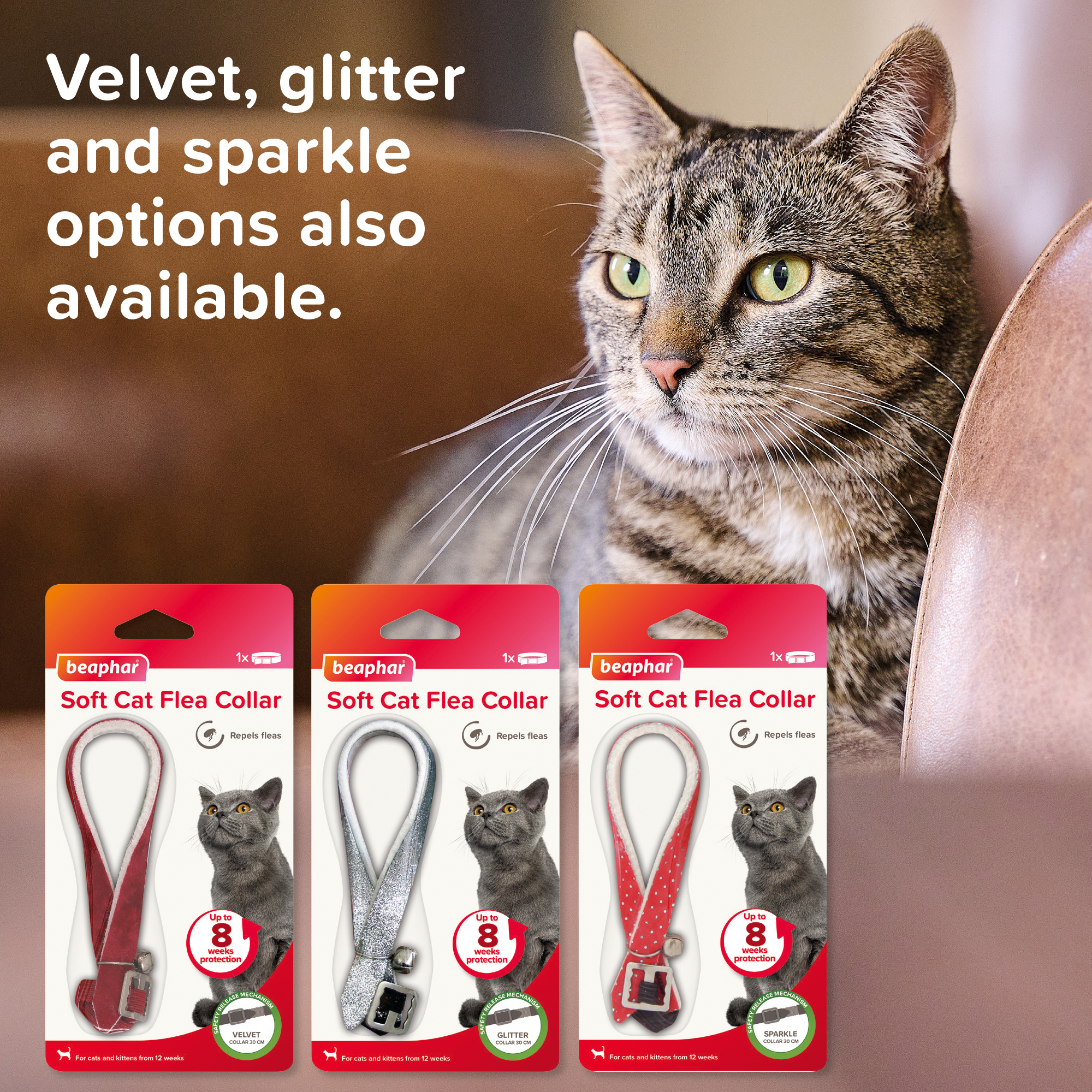
Credit: www.beaphar.co.uk
Safe Flea Collar Options For Cats
Fleas can cause discomfort and health issues for cats. Choosing the right flea collar helps keep your cat safe and flea-free. Not all flea collars made for dogs are safe for cats.
This guide explains safe flea collar options designed for cats. You will also learn about natural and chemical-free alternatives.
Cat-specific Flea Collars
Cat-specific flea collars are made to fit cats and use ingredients safe for them. These collars release small amounts of flea repellents slowly over time. They help stop flea infestations effectively.
Using dog flea collars on cats can be dangerous because dogs’ collars may contain chemicals harmful to cats. Always check the label to make sure the collar is for cats.
- Designed for a cat’s size and neck shape
- Contains safe ingredients for cats
- Water-resistant for long-lasting effect
- Prevents fleas and ticks
- Often lasts several months
Natural And Chemical-free Alternatives
Some pet owners prefer natural flea control to avoid chemicals. Natural flea collars use essential oils and herbal extracts. These are less likely to cause side effects for cats.
Always check if your cat is not allergic to any natural ingredient. Natural options may be less effective but safer for sensitive cats or kittens.
- Essential oils like lavender, cedarwood, or citronella
- Herbal blends with rosemary or peppermint
- Non-toxic and biodegradable materials
- Should be replaced more often than chemical collars
- Can be combined with regular grooming
How To Properly Use Flea Collars On Cats
Flea collars can help protect cats from fleas and ticks. It is important to use the right collar and follow safety steps.
Using dog flea collars on cats is not safe. Cats need collars made just for them. Here is how to use flea collars correctly on cats.
Correct Fitting And Placement
Choose a flea collar made for cats. The collar should fit snugly but not too tight. You should be able to fit two fingers under the collar.
Place the collar around your cat’s neck. Make sure it sits comfortably and does not irritate the skin. Trim any extra length to avoid accidents.
- Use only cat-specific flea collars
- Fit the collar so it is snug but not tight
- Place collar high on the neck, near the head
- Cut off extra collar length safely
Monitoring For Adverse Reactions
Watch your cat closely after putting on the collar. Check for signs of irritation like redness or hair loss. Also, notice if your cat scratches more than usual.
If your cat shows any unusual behavior or skin problems, remove the collar immediately. Contact your vet if you see serious reactions.
- Look for redness or swelling around the collar
- Notice if your cat scratches or rubs the neck often
- Remove the collar if irritation appears
- Seek vet help for serious problems
When To Remove The Collar
Remove the flea collar after the recommended time on the package. Most collars last several weeks to months. Do not leave the collar on longer than advised.
Remove the collar if it becomes dirty or damaged. Replace it with a new one to keep your cat protected.
- Follow the collar’s time limit instructions
- Take off the collar if it is broken or dirty
- Replace the collar as needed for continued protection
Alternative Flea Control Methods
Using dog flea collars on cats can be dangerous. Cats need safe flea control options made just for them.
There are many ways to keep fleas off your cat without risking harm. Here are some safe alternatives.
Topical Treatments
Topical treatments are liquids applied to a cat’s skin. They kill fleas quickly and last for weeks.
These treatments are safe when used as directed. They stop fleas from biting and laying eggs.
- Apply between the shoulder blades
- Use only cat-specific products
- Repeat monthly for best results
Oral Medications
Oral medications are pills or chewables given to cats. They kill fleas from the inside out.
These medicines work fast and are easy to use. Your vet can recommend safe options for your cat.
- Give with food or as directed
- Check the correct dose for your cat’s weight
- Use regularly to keep fleas away
Environmental Control Tips
Cleaning your home helps stop flea problems. Fleas live in carpets, bedding, and furniture.
Regular cleaning reduces flea eggs and larvae. This helps protect your cat from new bites.
- Vacuum floors and furniture often
- Wash pet bedding weekly in hot water
- Use flea sprays or powders for carpets
- Keep your yard clean and trimmed
Consulting Your Veterinarian
Using dog flea collars on cats can be risky. Cats have different reactions to chemicals. Always ask your vet before trying new flea treatments.
Your veterinarian knows your cat’s health and history. They can recommend safe and effective flea prevention. This helps avoid harmful side effects.
Tailoring Flea Prevention To Your Cat
Each cat needs a flea treatment made for its size and skin type. Dog flea collars may have chemicals that hurt cats. Your vet can suggest the right product for your pet.
- Discuss your cat’s age and health conditions
- Check if your cat has allergies or skin problems
- Consider your cat’s lifestyle and outdoor access
- Follow the vet’s advice on dosage and frequency
Emergency Actions For Toxic Exposure
If your cat shows unusual signs after flea treatment, act fast. Symptoms may include drooling, shaking, or difficulty walking. Contact your vet immediately.
| Symptom | What to Do |
| Excessive drooling | Wipe mouth and call vet |
| Shaking or twitching | Keep cat calm and seek help |
| Vomiting | Note time and consult vet |
| Breathing trouble | Go to emergency vet immediately |
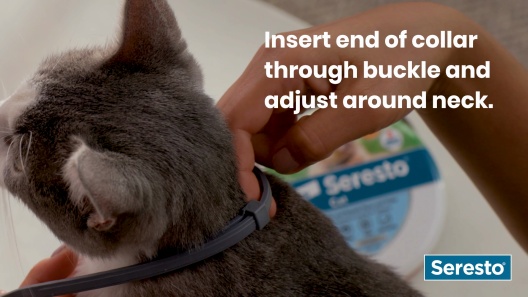
Credit: www.chewy.com

Credit: www.hartz.com
Frequently Asked Questions
Can Dog Flea Collars Harm Cats?
Yes, dog flea collars can harm cats. They contain chemicals safe for dogs but toxic to cats. Always use flea collars designed specifically for cats to avoid poisoning and adverse reactions.
Are Cat Flea Collars Different From Dog Collars?
Yes, cat flea collars are formulated differently. They use ingredients safe for cats’ sensitive systems. Dog collars may contain permethrin, which is toxic to cats. Always choose collars labeled for cats only.
What Symptoms Show Cat Poisoning From Dog Collars?
Symptoms include drooling, vomiting, tremors, and seizures. Cats may also show lethargy or excessive grooming. Immediate veterinary care is crucial if poisoning is suspected from using dog flea collars.
Can I Use A Dog Flea Collar On A Kitten?
No, do not use dog flea collars on kittens. Their skin and body are more sensitive. Use kitten-specific flea treatments recommended by veterinarians to ensure safety and effectiveness.
Conclusion
Choosing the right flea collar is crucial for your pet’s safety. Dog flea collars are not suitable for cats. Cats have different sensitivities and needs. Always read labels carefully. Consult your vet for the best advice. They know your pet’s health history.
Safe alternatives exist for cats. Prioritize your pet’s well-being. Don’t risk their health with incorrect products. Happy, healthy pets bring joy. Regular vet visits ensure optimal care. Protect your feline friend. Use products designed for them. Keep your home flea-free.