Have you ever wondered what your cat is really trying to tell you? Those mysterious purrs, sudden dashes, and playful swats hold a world of meaning that might surprise you.
Understanding your cat’s behavior can unlock a deeper bond with your furry friend, turning confusion into clarity and frustration into fun. You might discover that your cat’s quirky actions are not just random but are actually communicating essential needs and emotions.
Dive into the fascinating world of feline behavior, and learn to decode those curious cues that will transform your relationship with your pet. Your journey into your cat’s mind starts here, and it’s more captivating than you might think!
Credit: www.pumpkin.care
Common Cat Behaviors
Cats show many behaviors to communicate with humans and other animals. Understanding these signs helps build a better bond with your cat.
This guide explains some common cat behaviors and what they mean.
Purring And Its Meanings
Purring is one of the most common sounds cats make. It usually means a cat feels happy and safe. Cats also purr when they are hurt or scared to calm themselves.
Tail Positions And Signals
The position of a cat’s tail gives clues about its mood. A raised tail means the cat is happy and confident. A puffed-up tail shows fear or anger.
- Tail up: Friendly and happy
- Tail down: Scared or sad
- Tail puffed: Frightened or angry
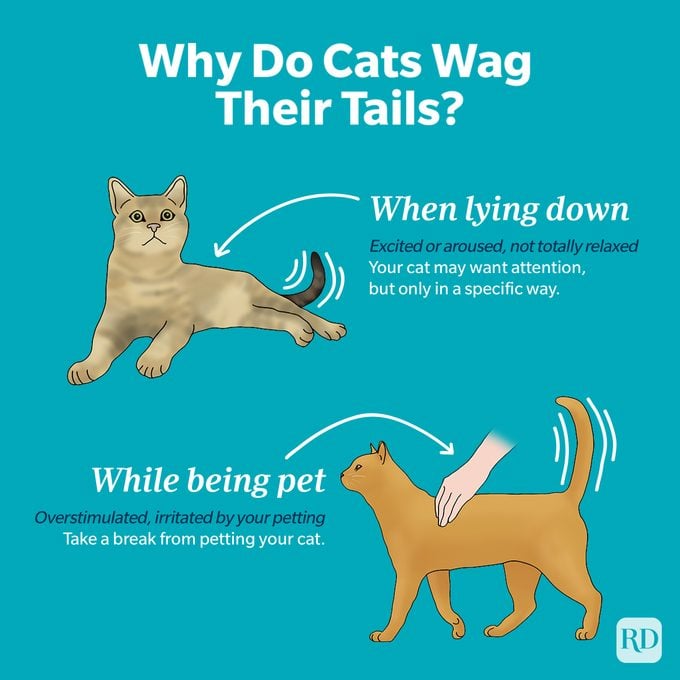
- Tail twitching: Focused or annoyed
Ear Movements And What They Indicate
Cats use their ears to listen and express feelings. Forward ears mean the cat is curious or content. Flattened ears show fear or aggression.
| Ear Position | Meaning |
| Forward | Alert or interested |
| Sideways | Listening carefully |
| Flattened back | Fear or anger |
| Moving quickly | Agitated or excited |
Vocalizations Beyond Meowing
Cats make sounds other than meowing to share feelings. Chirping shows excitement. Hissing warns to stay away. Trilling means a cat wants attention.
- Chirp: Excited or playful
- Hiss: Warning or fear
- Trill: Greeting or attention seeking
- Growl: Threat or anger
Credit: www.rd.com
Body Language Cues
Cats use body language to share how they feel and what they want. Watching their movements helps you understand them better.
Small signals like eye movements or whisker positions tell a lot about a cat’s mood and intentions.
Eye Contact And Blinking
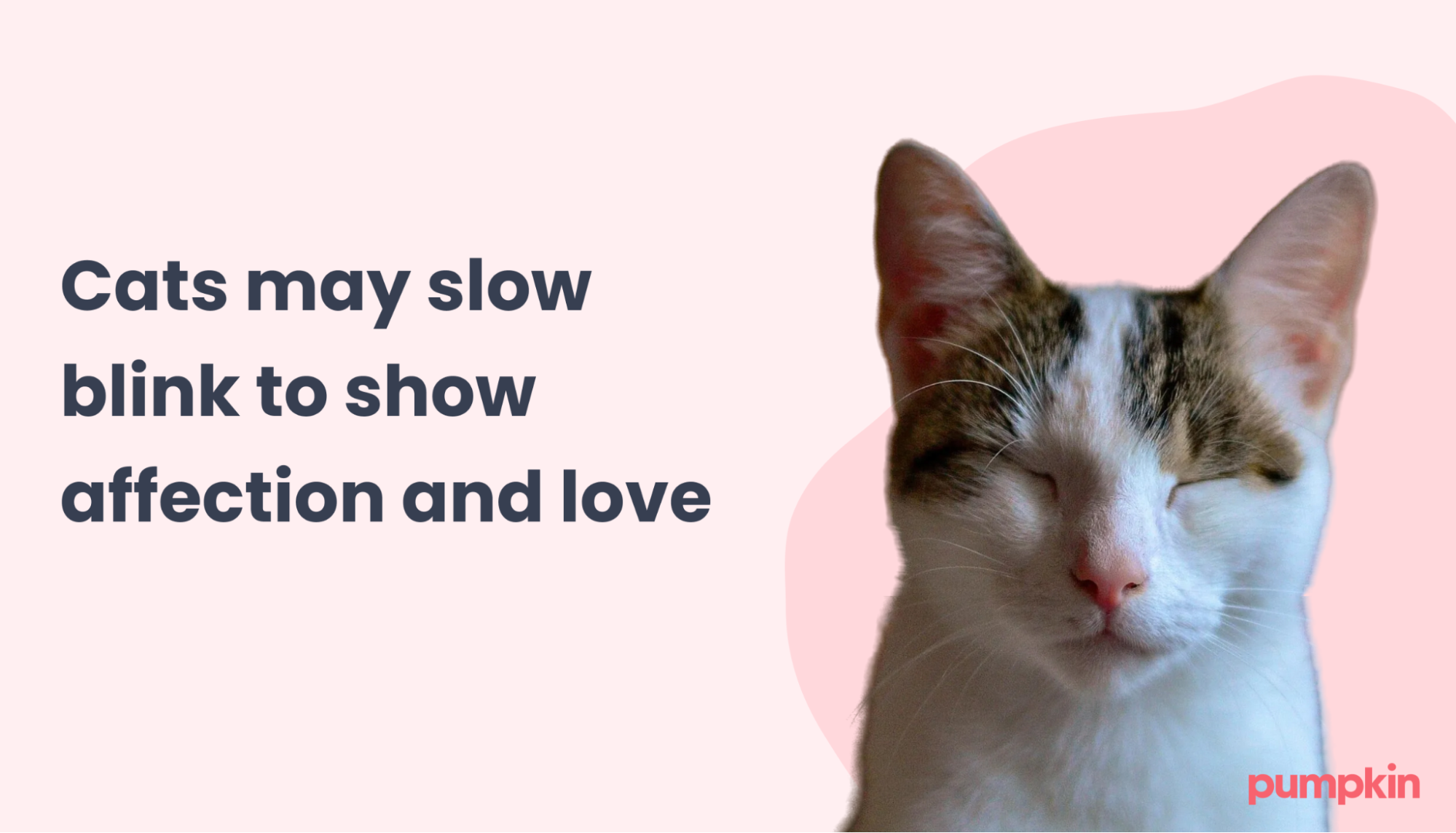
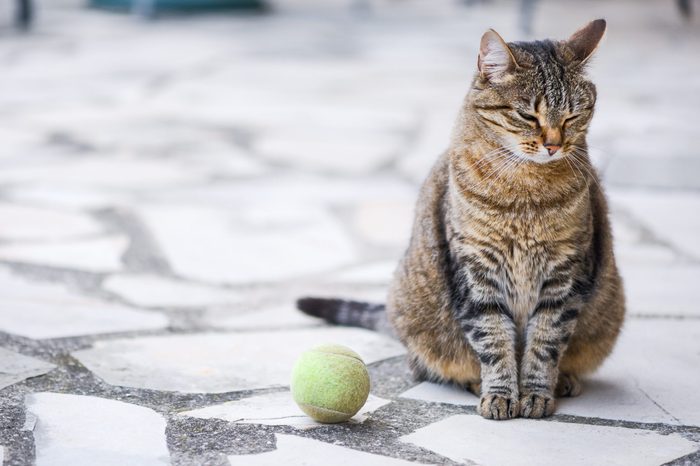
Direct eye contact can mean a cat feels curious or confident. Slow blinking shows trust and comfort.
If a cat stares without blinking, it might be feeling threatened or alert. Quick blinking often means the cat is relaxed.
Posture And Stance
The way a cat stands or sits tells a lot about its mood. A relaxed cat lies down with loose limbs.
- Arched back means the cat is scared or trying to look bigger.
- Tail held high shows confidence and happiness.
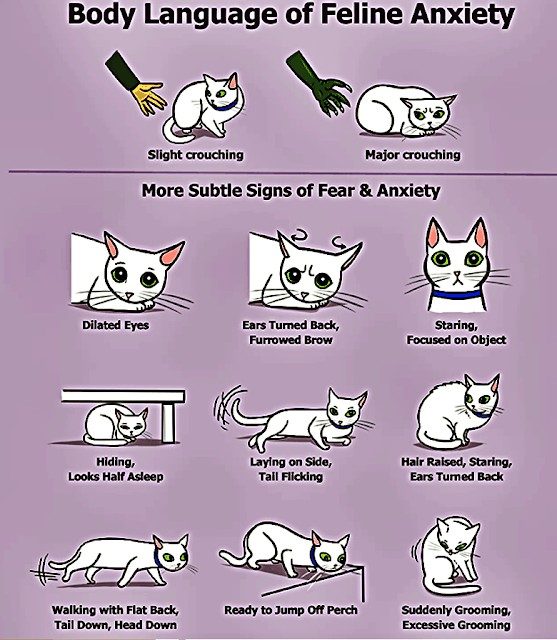
- Crouching low can signal fear or readiness to pounce.
- Stiff body and raised fur mean the cat feels threatened.
Whisker Positions
Whiskers move to help cats sense their surroundings. Their position shows how the cat feels.
| Whisker Position | Meaning |
| Forward | Curious or playful mood |
| Relaxed and sideways | Calm and content |
| Pulled back | Fear or aggression |
Grooming Habits
Grooming keeps cats clean and calm. Changes in grooming show how they feel.
Signs to watch:
- Excessive grooming may mean stress or skin problems.
- Less grooming can show illness or depression.
- Grooming others shows social bonding and trust.
Playful Actions
Cats show many playful actions that reveal their mood and energy. These behaviors help them stay active and sharp.
Understanding these actions helps pet owners connect better with their cats and provide proper care and fun.
Chasing And Pouncing
Cats chase moving objects to practice hunting skills. Pouncing is a quick jump or leap to catch prey or toys.
These actions show excitement and focus. Cats often use their strong legs and sharp claws during play.
Batting And Pawing
Batting means a cat hits objects with its paws. Pawing is a softer touch, often to test or explore things.
- Cats bat at toys to catch attention.
- Pawing helps them feel texture or movement.
- These actions show curiosity and fun mood.
- Sometimes cats bat to invite play with humans.
Hiding And Ambushing
Cats hide to feel safe and prepare for a surprise pounce. Ambushing is waiting quietly before jumping.
| Behavior | Reason | What It Shows |
|---|---|---|
| Hiding | Feeling safe or stalking | Trust and focus |
| Ambushing | Surprise attack on prey or toy | Playfulness and skill |
Signs Of Stress Or Discomfort
Cats show stress or discomfort in many ways. Knowing these signs helps you care for them better. It keeps your cat happy and healthy.
Look closely at your cat’s behavior. Changes often mean your cat feels uneasy or upset. This guide explains common signs to watch for.
Hissing And Growling
Hissing and growling are clear signs your cat feels threatened or scared. These sounds warn others to stay away. Cats use them to protect themselves.
If your cat hisses or growls often, it may be stressed by its environment. Loud noises, new people, or other animals can cause this behavior.
Avoidance And Hiding
Cats hide or avoid people when they feel stressed or unsafe. They may stay in quiet places or under furniture. This helps them feel secure.
- Hiding in closets or under beds
- Running away from family members
- Refusing to play or interact
- Staying in one corner for long periods
Notice where your cat hides most often. Try to reduce stressors in those areas to help your cat feel calm.
Changes In Appetite Or Grooming
| Behavior | Possible Meaning |
| Eating less or not at all | Stress, illness, or discomfort |
| Eating more than usual | Stress or changes in routine |
| Over-grooming or licking | Stress or skin irritation |
| Neglecting grooming | Depression or health issues |
Changes in eating or grooming habits often show your cat needs help. Watch for these signs and consult a vet if needed.
Social Interactions
Cats use many behaviors to communicate with others. These actions show how they feel and what they want.
Understanding these behaviors helps you read your cat’s mood and needs better.
Greeting Behaviors
Cats greet by rubbing their heads or cheeks on people or other cats. This action spreads their scent and shows trust.
Slow blinking at you is another greeting. It means your cat feels safe and calm around you.
Marking Territory
- Rubbing body or face on objects to leave scent
- Scratching surfaces to mark with scent glands in paws
- Spraying urine to warn other cats
- Leaving fur or saliva on places as a sign of ownership
These signs help cats feel safe in their space and warn others to keep away.
Bonding With Humans And Other Pets
| Behavior | Meaning |
| Purring | Contentment and comfort |
| Kneading | Showing trust and happiness |
| Following you | Seeking companionship |
| Grooming other pets | Building friendship and trust |
| Sleeping near you | Feeling safe and secure |
Nighttime And Hunting Behaviors
Cats are active creatures with unique habits at night. Their behavior often shows strong hunting instincts.
Understanding these behaviors helps owners know why cats do certain things after dark.
Nocturnal Activity Patterns
Cats are crepuscular, meaning they are most active at dawn and dusk. But many also show activity at night.
At night, cats may roam, explore, or play more. This is part of their natural rhythm inherited from wild ancestors.
- Increased movement and energy during night hours
- More frequent grooming and stretching
- Periods of rest during the day
Stalking And Hunting Instincts
Cats have strong hunting instincts that show clearly at night. They like to stalk and pounce on small prey or toys.
This behavior is natural and helps keep their skills sharp. Hunting also provides physical and mental exercise.
- Slow, quiet movements to approach prey
- Sudden bursts of speed to catch targets
- Practice with toys mimics real hunting
Vocalizations At Night
Cats often use sounds to communicate during nighttime activity. These vocalizations can mean different things.
Meowing, chirping, or yowling may show excitement, hunting focus, or a call for attention.
- Soft meows to express curiosity or alertness
- Chirps and trills when spotting prey
- Louder yowls during mating season or stress
Credit: www.rd.com
Frequently Asked Questions
What Does Purring Mean In Cat Behavior?
Purring usually indicates contentment or comfort in cats. It can also signal healing or stress relief. Context matters to understand its exact meaning.
Why Do Cats Knead With Their Paws?
Cats knead to show affection and mark territory using scent glands in their paws. It also mimics kitten nursing behavior, providing comfort.
What Does A Cat’s Tail Position Indicate?
A raised tail shows friendliness or confidence. A tucked tail signals fear or submission. Tail flicks often mean irritation or excitement.
Why Do Cats Suddenly Sprint Around The House?
Sudden sprints, or “zoomies,” help cats release pent-up energy and stimulate their hunting instincts. It’s a normal, healthy behavior.
Conclusion
Understanding cat behavior helps build a stronger bond with your pet. Each action shows what your cat feels or needs. Watching closely makes it easier to respond well. Your cat will feel safer and more loved. This creates a happy home for both of you.
Every cat is unique, so keep learning about them. Patience and care make a big difference in their life. Enjoy the special moments with your furry friend.