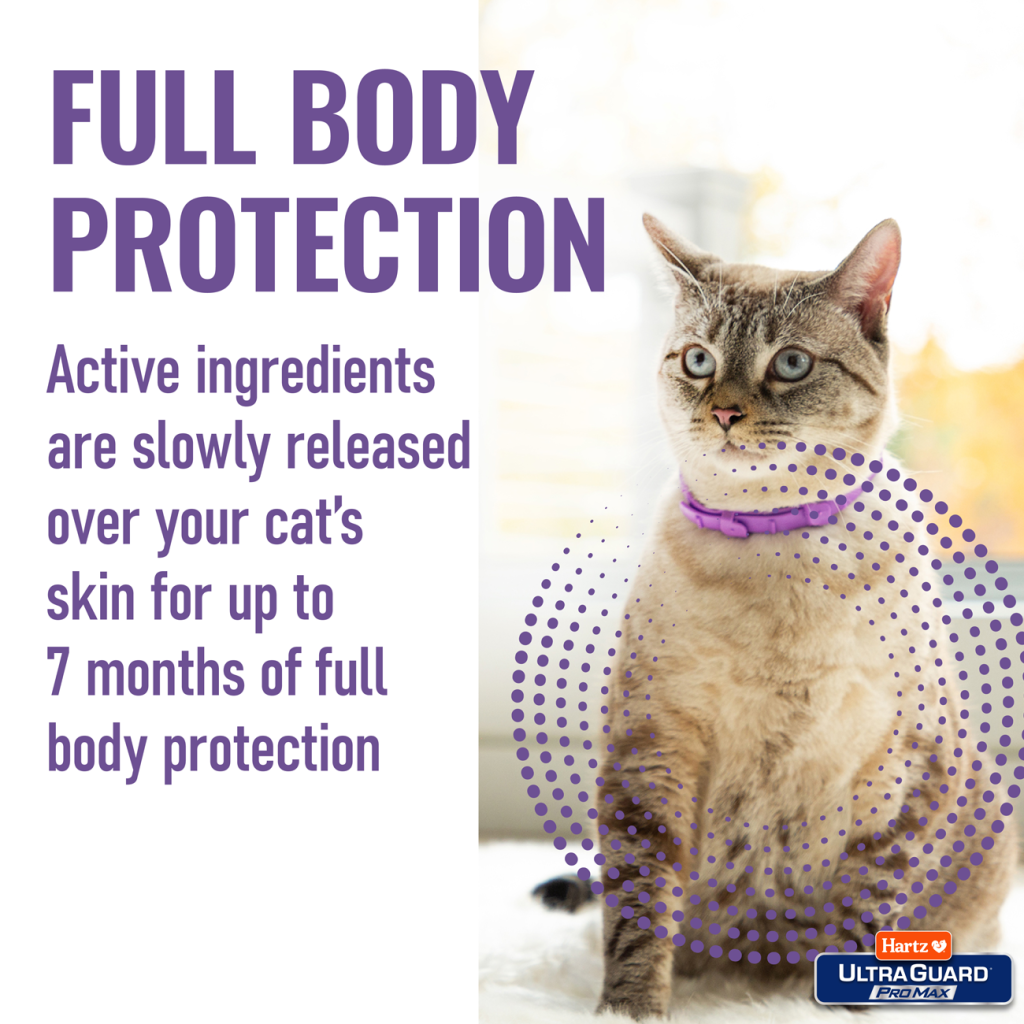
Are you tired of watching your beloved cat scratch and suffer from pesky fleas? You’ve tried everything, yet those little parasites just won’t budge.
If you’re nodding along, you’re not alone. Many cat owners face the same battle. But what if there was a simple solution that could ease your cat’s discomfort and give you peace of mind? Enter the cat flea collar. These collars are not just accessories; they’re your secret weapon against fleas.
But how do they work? And more importantly, how can they transform your cat’s life—and yours—by keeping those stubborn fleas at bay? Stick around, because by the end of this article, you’ll discover the science behind flea collars and why they might just be the solution you’ve been searching for.
How Flea Collars Affect Fleas
Flea collars help control fleas on cats by using special chemicals. These chemicals target fleas and stop them from biting or growing.
The collars release small amounts of these chemicals over time. This protects the cat by killing or repelling fleas.
Active Ingredients In Flea Collars
Flea collars contain different active ingredients. Each ingredient works to kill fleas or stop their growth.
Common ingredients include insecticides and insect growth regulators. These keep the flea population low on your cat.
- Imidacloprid: kills adult fleas quickly
- Flumethrin: repels and kills ticks and fleas
- Pyriproxyfen: stops flea eggs from hatching
- Permethrin: kills fleas but is toxic to cats, so not used in cat collars
Mechanism Of Action On Fleas
The ingredients in flea collars work by targeting the flea’s nervous system. This causes paralysis and death of the flea.
Growth regulators stop flea eggs and larvae from developing. This breaks the flea life cycle and prevents more fleas from growing.
- Insecticides attack flea nerves, causing death
- Growth regulators stop fleas from growing up
- Some ingredients repel fleas to keep them away
Duration Of Effectiveness
Flea collars usually work for several weeks or months. The active ingredients slowly release to keep working over time.
Check the product label for how long a collar lasts. Replace the collar after this time to keep your cat protected.
- Most collars last 6 to 8 months
- Release chemicals slowly for long protection
- Replace collar on time for best flea control
Types Of Cat Flea Collars
Cat flea collars help protect cats from fleas and ticks. They come in different types based on their ingredients and how they work.
Choosing the right collar depends on your cat’s needs and your preference for natural or chemical options.
Chemical-based Collars
Chemical-based collars use synthetic insecticides to kill fleas. These chemicals spread over the cat’s skin and coat.
They start working fast and can protect cats for several months. Some collars repel fleas, while others kill them on contact.
- Contain ingredients like imidacloprid or flumethrin
- Effective against fleas and ticks
- May cause irritation in sensitive cats
- Usually waterproof and long-lasting
Natural And Herbal Collars
Natural and herbal collars use plant-based oils and extracts. These collars repel fleas without harsh chemicals.
They are gentle and safer for cats that react to chemicals. Their protection time may be shorter than chemical collars.
- Use ingredients like citronella, neem, or lavender
- Work by repelling fleas and ticks
- Safe for kittens and sensitive cats
- Need to be replaced more often
Combination Collars
Combination collars mix chemical and natural ingredients. They aim to give strong flea protection with fewer side effects.
These collars can kill fleas and also repel them with herbal oils. They often last longer than natural collars alone.
- Contain both synthetic insecticides and plant extracts
- Provide fast and long-lasting protection
- May reduce skin irritation risks
- Suitable for cats needing strong flea control
Benefits Of Using Flea Collars
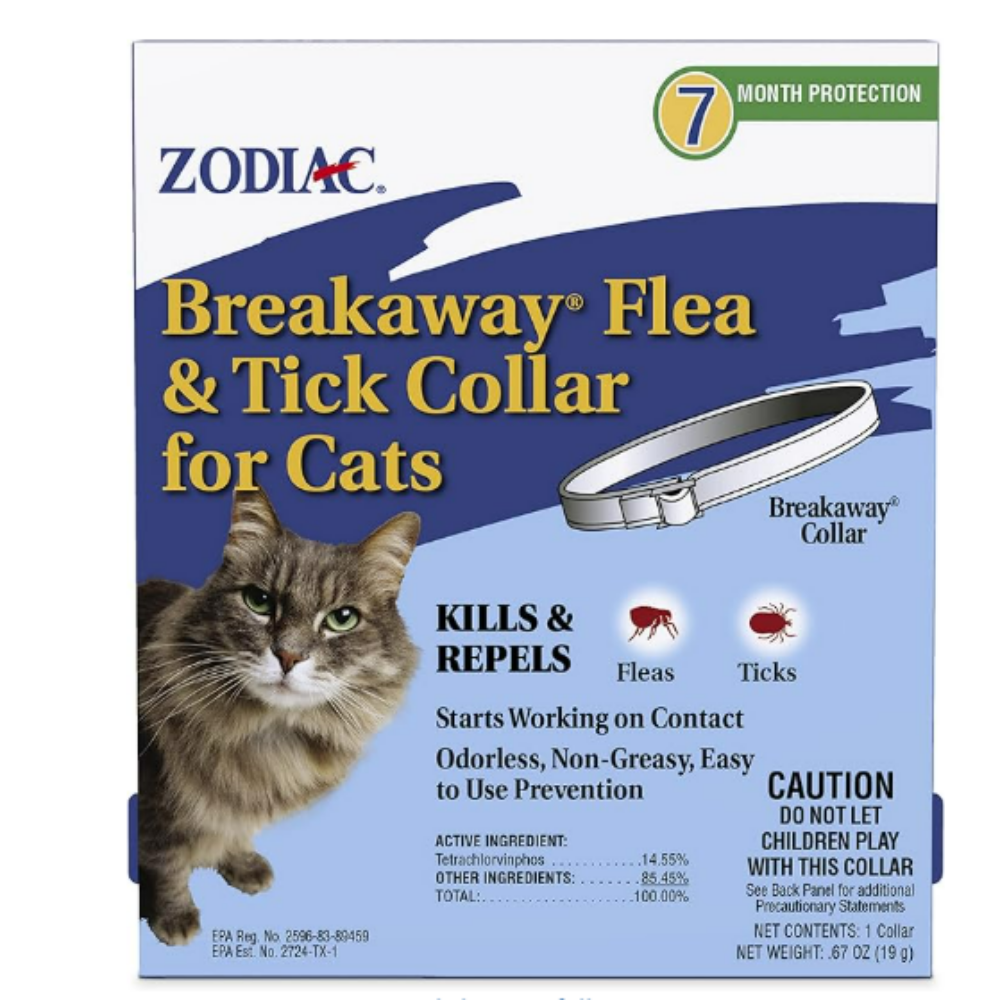
Flea collars are a popular way to protect cats from fleas. They provide long-lasting defense against these pests. Many cat owners choose flea collars for their pets’ comfort and health.
These collars release active ingredients that kill fleas and prevent new ones. They work around the clock to keep cats free from bites and irritation.
Continuous Protection
Flea collars offer nonstop protection for cats. Once worn, the collar releases flea-repellent chemicals steadily over time. This means cats stay protected for weeks or months without daily treatment.
The active ingredients spread over the cat’s skin and fur. They kill fleas at every stage, including eggs and larvae. This stops flea infestations before they start.
Ease Of Use
Flea collars are easy to use and require little effort. Simply put the collar around your cat’s neck. Adjust it to fit comfortably but not too tight. No need for frequent applications or messy sprays.
- Simple to put on and remove
- No daily maintenance required
- Water-resistant options available
- Safe for cats when used as directed
Cost-effectiveness
Flea collars provide good value for the money. They last for several weeks or even months. This reduces the need to buy multiple flea treatments. It also lowers overall pet care costs.
| Flea Control Method | Typical Duration | Cost Range |
| Flea Collar | 6 to 8 weeks | Low to Moderate |
| Topical Treatments | 4 weeks | Moderate |
| Oral Medications | 1 month | Moderate to High |
Credit: www.petsradar.com
Potential Risks And Side Effects
Cat flea collars help control fleas but may cause side effects. Some cats react badly to chemicals in the collars.
It is important to watch your cat closely after putting on a flea collar. Knowing the risks helps keep cats safe.
Skin Irritation And Allergies
Some cats get skin irritation from flea collars. Redness, itching, or hair loss can happen around the neck.
Allergic reactions vary. They can cause swelling or rash. If your cat scratches a lot, check the collar area.
- Look for redness or sores on the neck
- Remove the collar if your cat seems uncomfortable
- Consult a vet if irritation lasts more than a day
Toxicity Concerns
Flea collars use chemicals to kill fleas. Some chemicals can be toxic to cats if swallowed or absorbed too much.
Young kittens or cats with health problems may be more sensitive to these toxins. Watch for unusual behavior or drooling.
- Check the collar label for safe age and weight guidelines
- Do not let cats chew on the collar
- Call a vet if your cat shows signs of poisoning
Precautions For Sensitive Cats
Cats with sensitive skin or allergies need extra care with flea collars. Use mild or natural options if possible.
Always monitor your cat after putting on a collar. Remove it if you notice any signs of discomfort or illness.
- Test the collar on a small area first
- Consider alternative flea control methods
- Talk to your vet about the safest options
Choosing The Right Flea Collar
Flea collars help protect cats from fleas and ticks. Choosing the right one is important for your cat’s safety and comfort.
Not all flea collars work the same way. Consider your cat’s needs before picking a collar.
Considering Your Cat’s Age And Health
Kittens and older cats have different needs. Some collars are not safe for young or sick cats.
Check if the collar is suitable for your cat’s age and health. Talk to your vet if unsure.
- Kittens under 8 weeks may need special collars
- Older cats may have sensitive skin
- Some health conditions affect collar use
- Pregnant or nursing cats need safe options
Collar Size And Fit
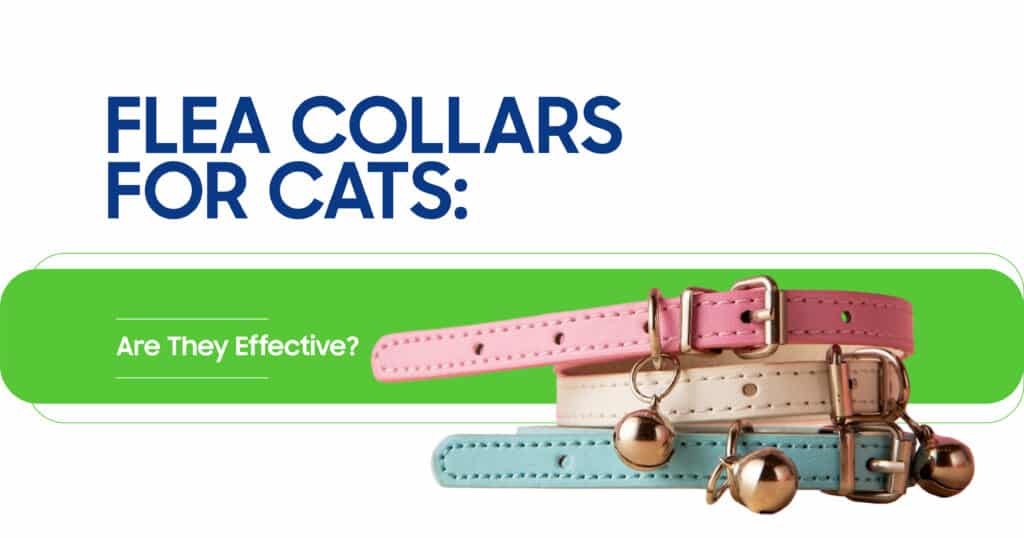
The collar should fit snugly but not too tight. A poor fit can cause discomfort or fall off.
Measure your cat’s neck before buying. Look for adjustable collars for a better fit.
- Measure neck size with a soft tape
- Allow space for two fingers between collar and skin
- Choose collars with adjustable straps
- Check collar length and width for comfort
Reading Product Labels
Labels show important info like ingredients and safety warnings. Always read them carefully.
Look for active ingredients and how long the collar works. Check if the product is vet-approved.
- Check active ingredients for flea and tick control
- Look for duration of effectiveness
- Read warnings about side effects or allergies
- Note if the collar is water-resistant or waterproof
Credit: vettoday.com
Proper Usage And Maintenance
Using a cat flea collar correctly helps protect your pet from fleas. Proper care keeps the collar effective for longer. This guide explains how to use and maintain flea collars well.
Knowing when to replace the collar and how to combine it with other treatments can improve flea control. Follow simple steps to keep your cat safe and comfortable.
How To Put On A Flea Collar
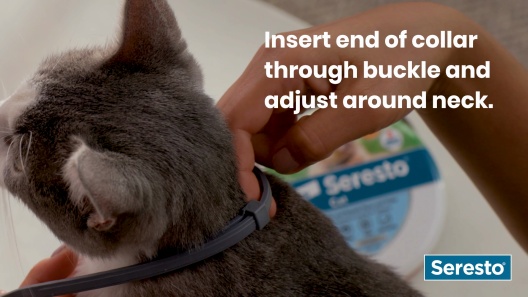
Flea collars must fit correctly to work well. Place the collar around your cat’s neck so it is snug but not tight. You should be able to fit two fingers between the collar and the neck.
- Remove the collar from its packaging.
- Adjust the collar length if it is too long.
- Place the collar around the cat’s neck.
- Secure the buckle or clasp.
- Trim any excess collar length.
- Check that the collar is not too tight or loose.
When To Replace The Collar
Flea collars lose their effectiveness over time. Most collars last between 4 to 8 months, depending on the brand and type. Replace the collar as soon as it stops working or after the recommended time.
| Time Used | Action |
| Less than 4 months | Usually still effective |
| 4 to 8 months | Check collar condition and effectiveness |
| More than 8 months | Replace with a new collar |
| Visible damage or wear | Replace immediately |
Combining With Other Flea Treatments
Using a flea collar with other treatments can improve flea control. Always talk to your vet before mixing treatments. Some combinations may cause side effects or reduce effectiveness.
- Use flea collars with flea shampoos for quick relief.
- Combine collars with topical spot-on treatments after vet approval.
- Avoid using multiple collars or overlapping treatments without advice.
- Watch your cat for skin irritation or unusual behavior.
Common Myths About Flea Collars
Many pet owners have questions about how flea collars work. Some ideas about flea collars are not true. It is important to know the facts to keep your cat safe and healthy.
This article clears up common myths about flea collars. You will learn what flea collars really do and what they do not do.
Instant Flea Elimination
Some people think flea collars kill all fleas right away. Flea collars start working after you put them on. They release chemicals that stop fleas from biting. But they do not kill fleas instantly.
Flea collars work over time to control fleas. It may take a few days to see fewer fleas on your cat.
One-size-fits-all Solution
Many believe one flea collar fits all cats and works the same for every pet. This is not true. Cats come in different sizes and weights. Flea collars have different strengths and designs.
- Small cats need collars made for their size.
- Some collars are stronger and better for heavy flea problems.
- Always choose a collar made for cats, not dogs.
- Check the collar’s label to pick the right one.
Safe Around All Pets
People often assume flea collars are safe for all pets in the home. Flea collars made for cats may be harmful to other pets. Dogs or small animals can react badly to the chemicals.
| Pet Type | Safety with Cat Flea Collar |
| Cats | Generally safe if used as directed |
| Dogs | May cause skin irritation or poisoning |
| Small Pets (rabbits, guinea pigs) | Can be very dangerous, avoid contact |
Credit: www.chewy.com
Alternatives To Flea Collars
Flea collars help protect cats from fleas, but some pet owners look for other options. There are several alternatives that can be effective and safe.
These alternatives include topical treatments, oral medications, and ways to control fleas in the home. Each method works differently to keep your cat flea-free.
Topical Treatments
Topical treatments are liquids applied to the skin, usually between the cat’s shoulder blades. They kill fleas and sometimes prevent eggs from hatching.
These treatments usually last for a month and are easy to use. They start working within hours after application.
- Apply once a month for best results
- Waterproof but avoid bathing right after application
- Safe when used as directed by a vet
Oral Medications
Oral medications come as pills or chewables that cats eat. These drugs kill fleas quickly and can also stop flea eggs from developing.
Many oral options work within a day and can last for a month or more. They are a good choice for cats that dislike topical treatments.
- Given once a month or as directed
- Work fast to kill adult fleas
- Check with your vet for safe options
Environmental Control
Fleas live in carpets, bedding, and furniture, not just on cats. Cleaning your home helps remove fleas and their eggs.
Vacuum often and wash pet bedding in hot water. You can use sprays or powders designed to kill fleas in your house.
- Vacuum floors and furniture regularly
- Wash bedding and blankets weekly
- Use flea sprays or powders safely
- Keep your yard clean and free of debris
Frequently Asked Questions
How Do Cat Flea Collars Kill Fleas?
Cat flea collars release insecticides that target fleas’ nervous systems. They either repel, stun, or kill fleas on contact. The chemicals spread over the cat’s fur, providing continuous protection against flea infestations.
Are Cat Flea Collars Safe For Cats?
Most cat flea collars are safe when used as directed. They contain ingredients approved for pets and have low toxicity. Always check the collar’s label and consult your vet before use, especially for kittens or sensitive cats.
How Long Do Flea Collars Last On Cats?
Flea collars typically last between 6 to 8 months. The active ingredients release gradually to provide long-term protection. Check product instructions for specific duration and replace the collar when effectiveness decreases.
Can Flea Collars Prevent Flea Infestations Completely?
Flea collars help reduce and prevent infestations but may not eliminate fleas entirely. Combining collars with regular grooming and home cleaning offers better protection. Severe infestations might require additional treatments.
Conclusion
Cat flea collars protect your pet by killing and repelling fleas. They release safe chemicals that spread over your cat’s fur. These collars work continuously to stop fleas from biting. Choosing the right collar helps keep your cat comfortable and healthy.
Always follow instructions for best results and safety. Regular use can reduce fleas and improve your cat’s life. Simple, effective, and easy to use—flea collars help you care for your cat. A small step that makes a big difference in flea control.