If you’ve ever seen your cat scratching nonstop or noticed tiny bugs on their fur, you know how frustrating fleas can be. You want to protect your furry friend, but with so many options out there, it’s hard to know what really works.
That’s where flea collars come in. But how do flea collars work for cats? Understanding the science behind these collars can help you make the best choice for your pet’s comfort and health. Keep reading, and you’ll discover exactly how flea collars fight fleas, what makes them effective, and how to use them safely for your beloved cat.
Credit: www.chewy.com
Flea Collar Basics
Flea collars help protect cats from fleas. They work by spreading medicine around your pet’s neck.
These collars offer a simple way to keep fleas away for weeks or months. Understanding how they work helps you choose the right one.
Types Of Flea Collars
There are different types of flea collars for cats. Each type works a little differently to fight fleas.
Some collars release chemicals slowly over time. Others may use natural ingredients or newer technology.
- Traditional chemical flea collars
- Natural or herbal flea collars
- Insect growth regulator (IGR) collars
- Long-lasting collars with slow release
Active Ingredients Used
Flea collars contain active ingredients to kill or repel fleas. These chemicals affect fleas but are safe for cats.
Common ingredients stop fleas from biting or stop young fleas from growing into adults.
- Permethrin – kills fleas but toxic to cats, rarely used in cat collars
- Imidacloprid – kills adult fleas quickly
- Flumethrin – repels and kills ticks and fleas
- Selamectin – kills fleas and some parasites
- Insect Growth Regulators (IGRs) – stop flea eggs and larvae from growing
How Collars Release Medication
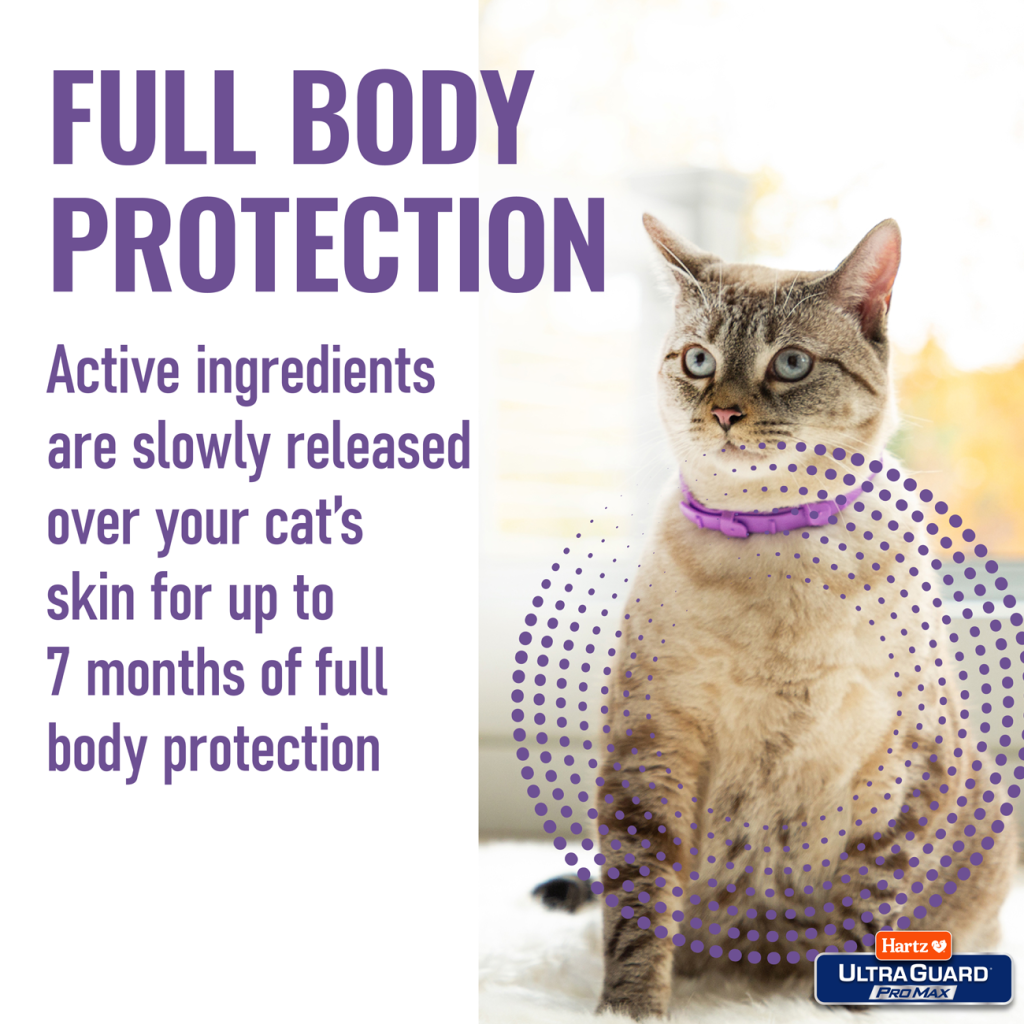
Flea collars slowly release medicine onto a cat’s skin and fur. The collar’s material controls how fast this happens.
The medicine spreads over the cat’s body when it moves. This keeps fleas away for weeks without daily treatment.
- Collars use oils or microcapsules to hold the medicine
- Medicine moves from the collar to the cat’s skin
- Some collars release medicine over 8 months or more
- Constant release keeps fleas from coming back
Mechanism Of Action
Flea collars release active ingredients that affect fleas on cats. These chemicals spread over the cat’s skin and fur. They stop fleas from biting and growing.
The ingredients work in different ways to kill or repel fleas. This helps keep your cat comfortable and flea-free.
How Flea Collars Affect Fleas
Flea collars contain chemicals that target the flea’s nervous system. These substances either kill fleas quickly or repel them from the cat. Some collars release ingredients slowly over time to provide long-lasting protection.
- Stop fleas from feeding on the cat’s blood
- Interrupt flea movement and reproduction
- Repel fleas to prevent new infestations
- Kill adult fleas on contact or through the cat’s fur
Impact On Flea Lifecycle
Flea collars affect different stages in the flea lifecycle. They not only kill adult fleas but also stop eggs and larvae from developing. This breaks the cycle and reduces flea numbers around the cat.
| Flea Stage | Effect of Flea Collar |
| Eggs | Prevent hatching |
| Larvae | Stop growth |
| Pupae | Limit emergence |
| Adults | Kill or repel |
Prevention Vs. Treatment
Flea collars work best as a prevention method. They keep fleas away before an infestation starts. Some collars also help treat fleas if your cat already has them.
- Prevention: Worn regularly to block fleas from settling on the cat
- Treatment: Used to kill fleas during an existing infestation
- Long-lasting: Many collars protect for several months
- Convenient: Easy to use without daily application
Choosing The Right Collar
Flea collars help keep your cat free from fleas and ticks. Choosing the right collar is important for your cat’s comfort and safety.
Not all flea collars work the same way or fit every cat. You should consider several factors before buying one.
Factors To Consider
Look at the ingredients in the collar to make sure they are safe for cats. Some collars use chemicals that may irritate sensitive skin.
Check how long the collar works. Some collars protect for a few weeks, while others last several months.
- Active ingredients and their safety
- Duration of flea protection
- Water resistance for outdoor cats
- Type of fleas and ticks common in your area
Collar Size And Fit
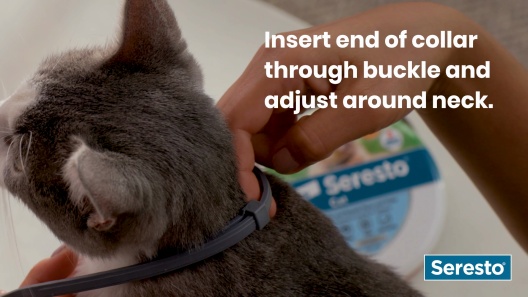
Measure your cat’s neck before buying a flea collar. The collar should fit snugly but not too tight.
A collar that is too loose can slip off. A collar that is too tight can cause discomfort or breathing problems.
- Leave space for two fingers between collar and neck
- Adjust the collar as your cat grows
- Choose lightweight collars for small cats
Safety For Cats
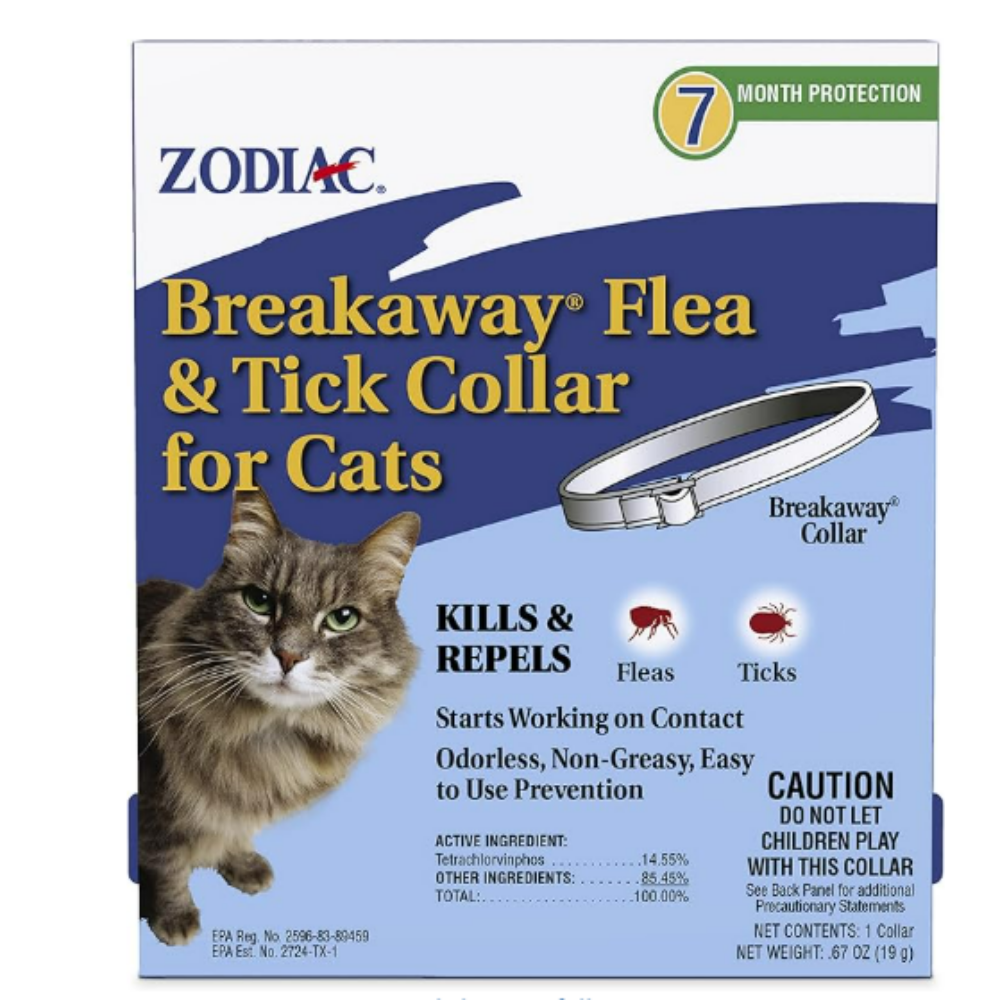
Look for collars with safety features like breakaway clasps. These let your cat escape if the collar gets caught.
Watch your cat when it wears a flea collar. Remove the collar if you see redness or irritation on the skin.
- Choose collars made for cats, not dogs
- Check for non-toxic materials
- Use collars approved by veterinarians
- Replace collars after their protection period ends

Credit: www.hartz.com
Effectiveness And Limitations
Flea collars help protect cats from fleas by releasing chemicals. These chemicals spread over the cat’s body to kill or repel fleas.
Understanding how long they work and their limits helps pet owners use them safely and effectively.
Duration Of Protection
Most flea collars protect cats for several weeks. Some collars last up to eight months. The protection depends on the collar brand and ingredients.
It is important to check the product label for the exact duration. Replace the collar once the protection ends to keep your cat safe.
Common Issues And Challenges
Flea collars do not work equally well on all cats. Some cats may have skin irritation or allergic reactions. The collars may also lose effectiveness if wet.
- Collars may not kill all fleas instantly
- Some cats dislike wearing collars
- Effectiveness can drop if collar is dirty or damaged
- Not all collars protect against ticks or other pests
Combining With Other Treatments
Using flea collars along with other treatments can improve flea control. Spot-on treatments and oral medications work well together with collars.
| Treatment Type | Purpose | Notes |
| Flea Collar | Long-term flea prevention | Wear continuously for best results |
| Spot-on Drops | Kills fleas quickly | Apply monthly on skin |
| Oral Medication | Kills fleas from inside | Use as directed by vet |
Applying And Maintaining Flea Collars
Flea collars help keep your cat free from fleas for weeks. Proper use ensures the collar works well and stays safe.
Knowing how to apply and maintain the collar will protect your cat from pests. Careful handling is key.
Proper Application Tips
Place the flea collar around your cat’s neck so it fits snugly but not tight. You should be able to fit two fingers between the collar and your cat’s neck.
Remove any other collars before putting on the flea collar. This prevents irritation and allows the collar to work properly.
- Check the collar for damage before use
- Cut off extra length if the collar is too long
- Keep the collar dry unless it is water-resistant
- Do not let the collar hang loose
When To Replace The Collar
Flea collars do not work forever. Most collars protect your cat for about 8 months.
Replace the collar after the time shown on the package or if it looks worn out. Old collars lose effectiveness and may cause discomfort.
- Check the expiration date on the package
- Replace collar if it is damaged or broken
- Remove the collar if your cat no longer has fleas
Monitoring Your Cat’s Reaction
Watch your cat for any signs of irritation after putting on the collar. Some cats may have mild skin reactions.
If your cat scratches, bites, or seems uncomfortable, check the collar fit and condition. Remove the collar if irritation continues.
- Look for redness or hair loss around the neck
- Remove collar if your cat shows breathing problems
- Consult a vet if you see severe reactions
Credit: www.petsradar.com
Frequently Asked Questions
How Do Flea Collars Kill Fleas On Cats?
Flea collars release chemicals that repel or kill fleas on contact. These substances spread across your cat’s fur, disrupting flea life cycles and preventing infestations effectively.
Are Flea Collars Safe For All Cat Breeds?
Most flea collars are safe for cats when used as directed. However, always check for breed-specific warnings and consult your vet before use.
How Long Does A Flea Collar Last On Cats?
Flea collars typically protect cats for 8 to 12 weeks. Effectiveness varies by brand and environmental factors, so replace collars as recommended.
Can Flea Collars Prevent Flea Infestations Completely?
Flea collars help control fleas but may not prevent all infestations. Combining collars with regular grooming and cleaning improves flea control.
Conclusion
Flea collars provide essential protection for your cat. They work by releasing chemicals that repel and kill fleas. It’s important to choose the right collar for your pet. Not all collars are the same, so read labels carefully. Your cat will enjoy a flea-free life with the right collar.
Keep an eye on any skin reactions. Always consult your vet if unsure. A flea collar is a simple tool. It helps keep your cat healthy and comfortable. Protect your furry friend from pesky fleas. A small step for big comfort!